The Real Cost of Solar Panel Installation in 2026: What to Expect
As we move into 2026, solar energy continues its march towards mainstream adoption, offering homeowners a powerful path to energy independence. The conversation around solar has shifted from “if” to “when,” and naturally, “how much?” Understanding the financial commitment is crucial for anyone considering this significant home upgrade.
While technology advances are making solar systems more efficient and accessible, the overall cost landscape in 2026 is shaped by a blend of evolving equipment prices, regional labor rates, and persistent incentive programs. Navigating these variables requires clear expectations to budget effectively for your home’s energy future.
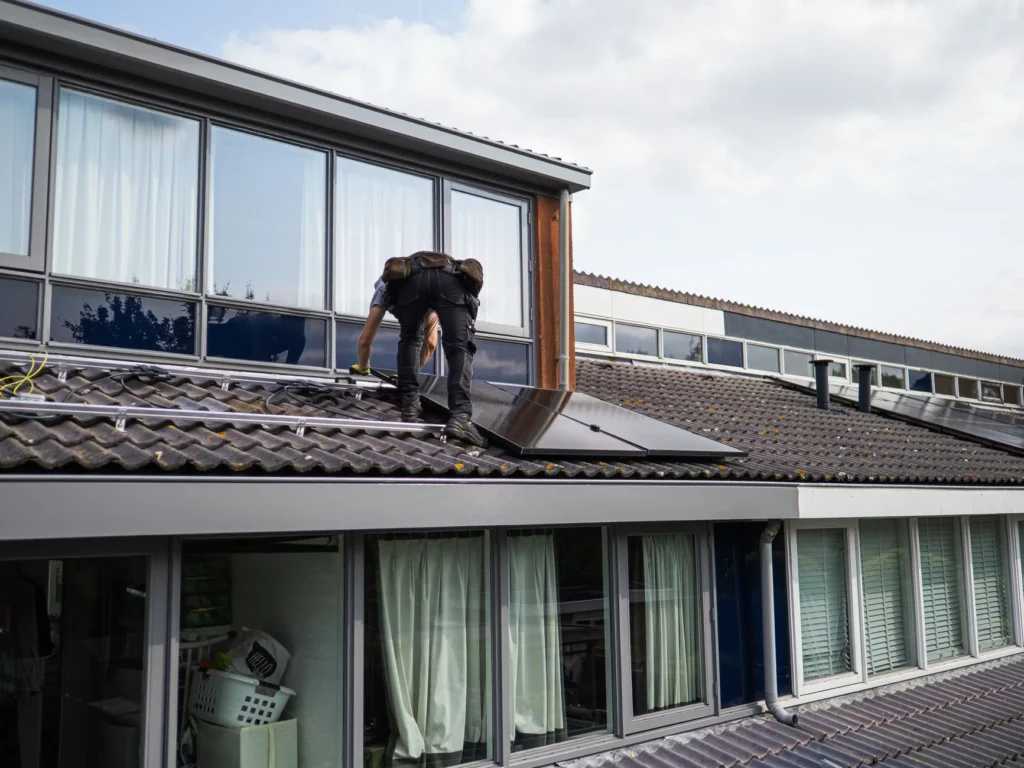
Price Table
| Item/Service | Estimated Range (USD) | Notes | |
|---|---|---|---|
| ☀️ | Solar Panels (PV Modules) | $8,000 – $18,000 | Cost varies by panel efficiency, brand, and total system size (e.g., 6-10 kW). |
| ⚡ | Inverter (String or Microinverters) | $1,500 – $4,500 | Essential for converting DC to AC power. Microinverters are generally pricier. |
| 🔧 | Mounting Hardware | $800 – $2,500 | Racks, rails, and attachments for securing panels to your roof. |
| 🔌 | Wiring & Electrical Components | $700 – $2,000 | Cabling, conduits, and necessary electrical upgrades (e.g., main panel upgrade). |
| 👷 | Installation Labor | $4,000 – $9,000 | Based on regional rates, roof complexity, and crew size. |
| 📄 | Permitting & Inspection Fees | $300 – $1,500 | Local permits, utility interconnection fees, and final inspections. |
| 🔋 | Battery Storage (Optional) | $5,000 – $15,000 | Highly variable based on capacity and brand. Essential for true energy independence. |
| 📐 | System Design & Engineering | $500 – $2,000 | Professional assessment, system sizing, and layout for optimal performance. |
| TOTAL (without battery) | $15,800 – $39,500 | ||
| TOTAL (with battery) | $20,800 – $54,500 |
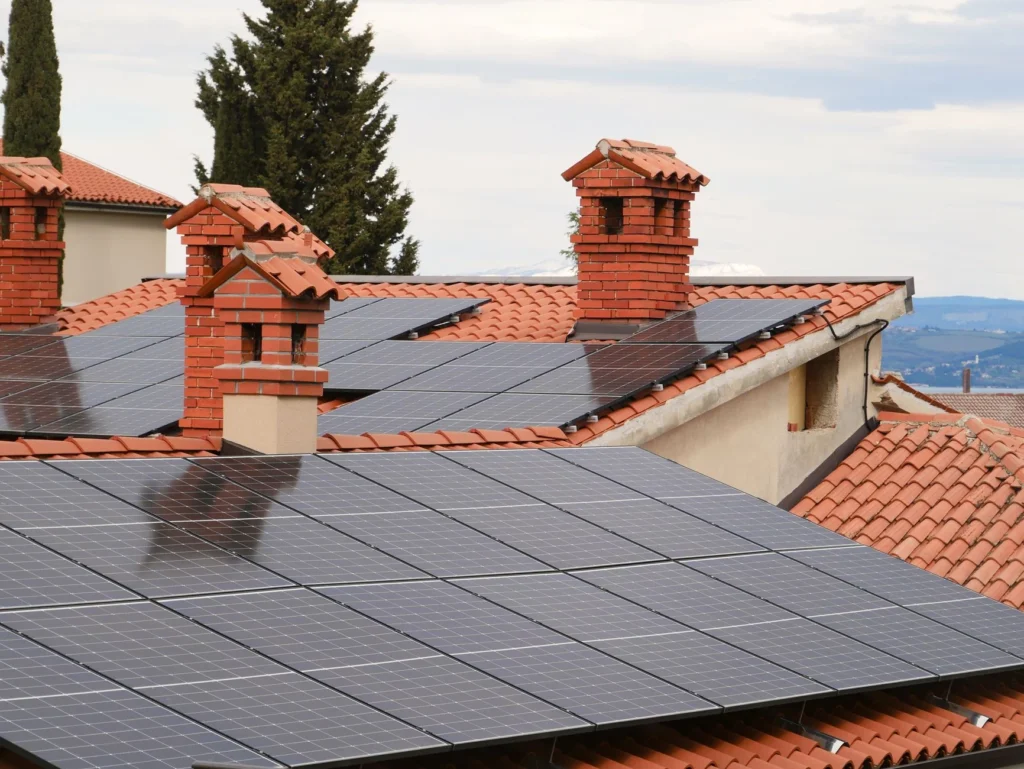
Disclaimer: These ranges are estimates for a typical 6-10 kW residential system in 2026. Actual costs vary significantly based on regional labor rates, system size, component quality, roof complexity, and chosen provider.
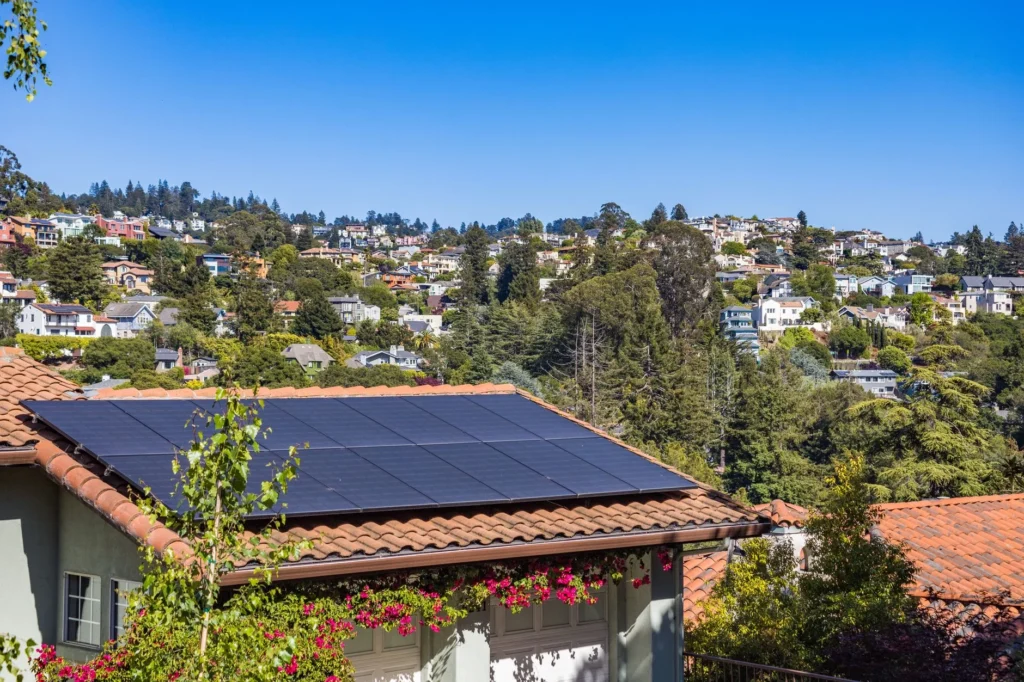
Key Factors Influencing Your 2026 Solar Costs
In 2026, several elements continue to shape the final price tag for a solar energy system. Beyond the raw equipment costs, which see ongoing incremental shifts, factors like installation specifics and market dynamics play a huge role.
System Size and Panel Efficiency
The total wattage your home needs directly impacts the number of panels and thus a significant portion of the cost. While larger systems naturally cost more, opting for higher-efficiency panels might mean fewer panels are needed to achieve the same output, potentially saving roof space and some mounting costs, though the panels themselves are typically more expensive per watt.
Installation Complexity and Labor
This is where unexpected costs can sometimes creep in. The type of your roof (shingle, tile, flat), its age, and even its pitch can add to labor expenses. Furthermore, if your home’s existing electrical panel requires an upgrade to safely handle the solar input, that’s an additional cost to factor in. A common mistake people make is overlooking the potential for necessary electrical panel upgrades or underestimating the labor implications of a complex roof structure. Always get a detailed assessment.
Don’t Forget About Incentives and ROI
Investing in solar isn’t just an expense; it’s a long-term investment. In 2026, significant federal tax credits, often complemented by state and local rebates or performance-based incentives, remain available. These programs can substantially reduce your net out-of-pocket costs, making solar more financially attractive.
Beyond the immediate savings from incentives, consider the long-term return on investment. Solar energy significantly reduces or eliminates your monthly electricity bills, provides a hedge against rising utility rates, and can notably increase your property’s value. A common oversight is failing to research *local* incentives thoroughly. Federal programs are great, but state and municipal rebates can often sweeten the deal significantly, sometimes expiring or changing annually.
Solar Installation FAQs for 2026
How long does a solar installation take in 2026?
The physical installation on your roof typically takes 1 to 3 days. However, the entire process, including system design, permitting approvals, utility interconnection, and final inspections, can span anywhere from 1 to 3 months.
Are solar panels worth it in 2026?
For most homeowners, absolutely. With continued advancements in technology and stable (or slightly decreasing) component costs, coupled with robust incentives, solar offers compelling long-term electricity bill savings, increased home value, and environmental benefits. Payback periods often fall within 5-10 years.
Will battery storage be standard with solar in 2026?
While increasingly popular and recommended, especially for homeowners looking for true energy independence or living in areas with unreliable grids or time-of-use rates, battery storage is still generally an optional add-on in 2026. It adds a significant expense but provides blackout protection and optimized energy usage.
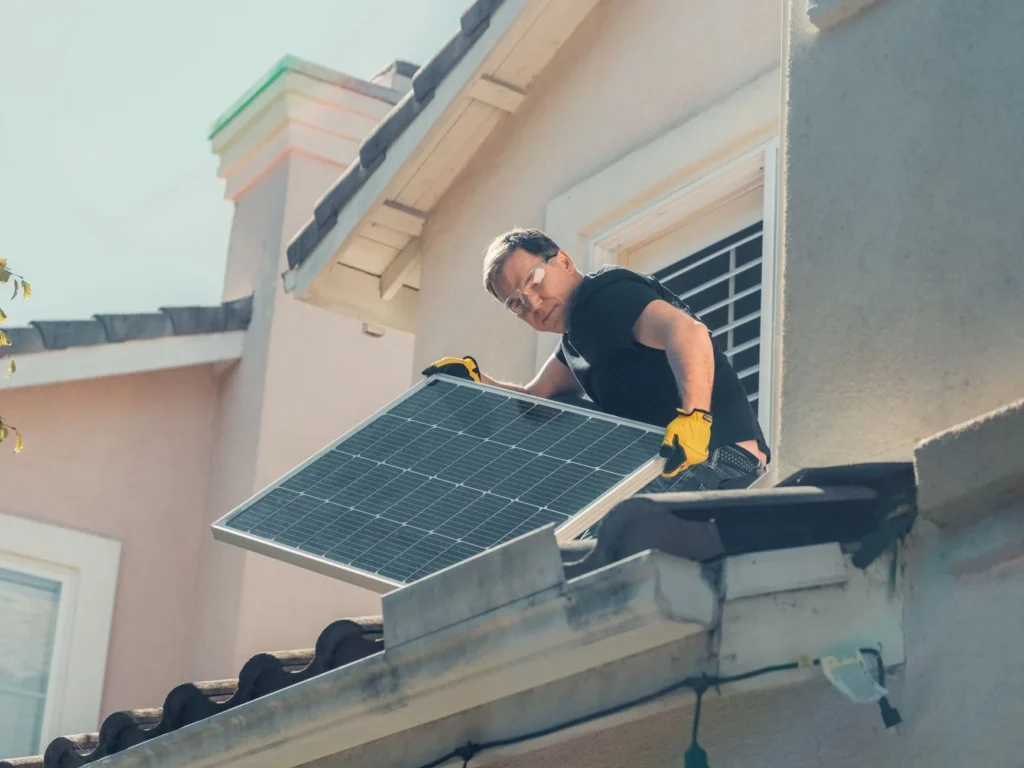
Images sourced from Pexels.