Basement Waterproofing Solutions for 2026: A Comprehensive Guide
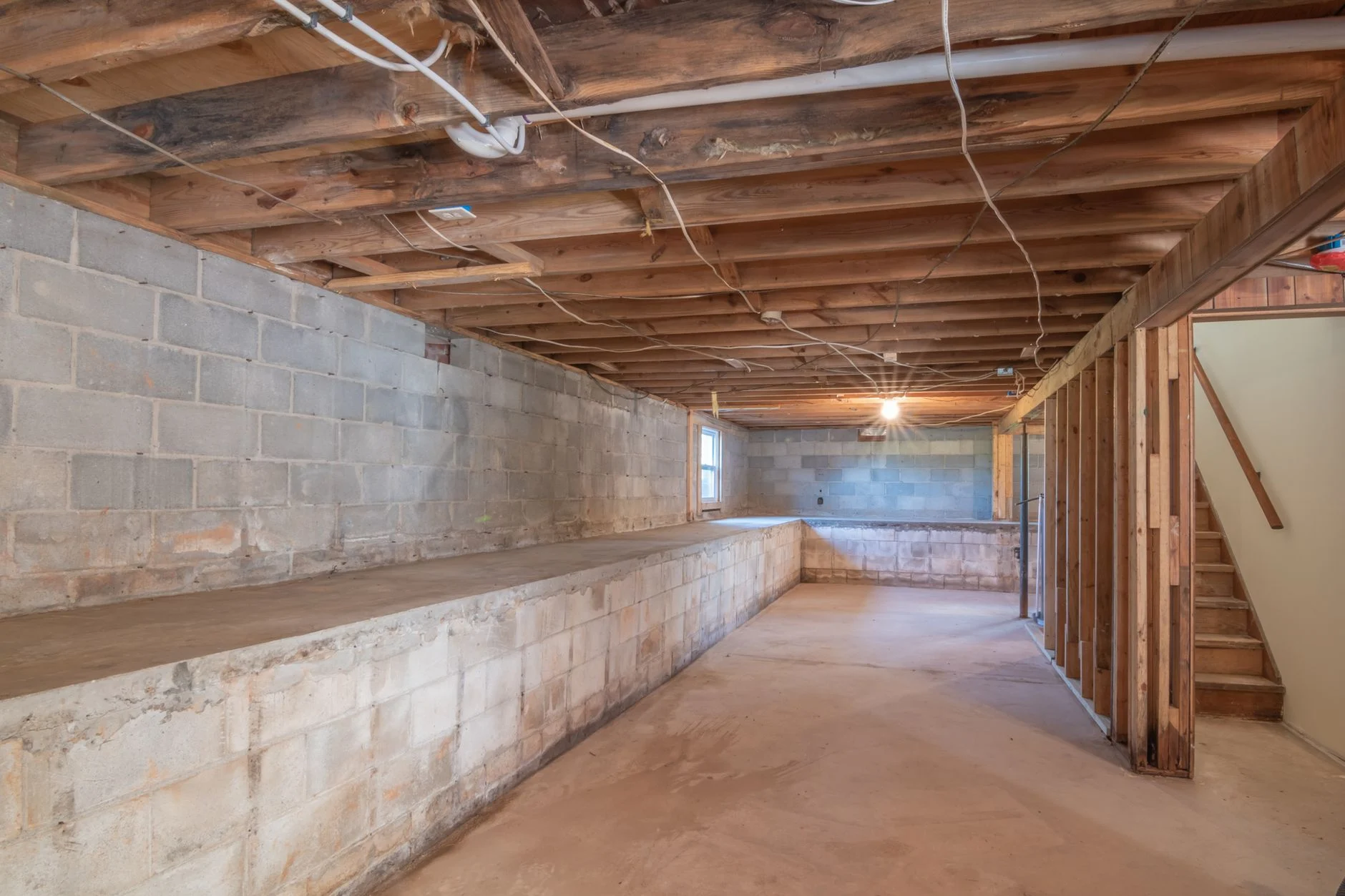
Ensuring your home’s foundation is dry and protected remains a top priority for homeowners in 2026. A damp or flooded basement isn’t just an inconvenience; it’s a serious threat to your property’s structural integrity, indoor air quality, and the value of your stored belongings. Proactive basement waterproofing is an investment that safeguards against costly future repairs and maintains a healthy living environment.
Understanding the various waterproofing solutions available and their potential costs can help you make informed decisions. From minor crack repairs to comprehensive exterior drainage systems, there’s a spectrum of services designed to tackle different moisture issues. Let’s explore what to expect in terms of solutions and estimated expenditures for a dry basement through 2026 and beyond.
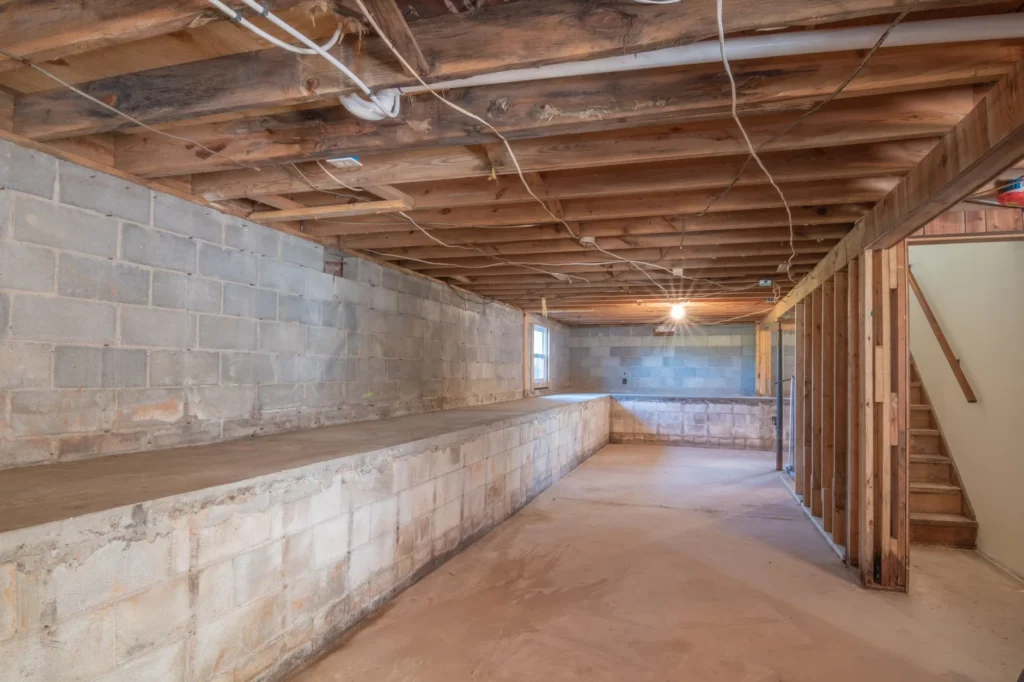
Estimated Basement Waterproofing Costs for 2026
Please note: These are estimated ranges for 2026. Actual costs can vary significantly based on your geographic region, the chosen provider’s expertise, material quality, and the complexity/severity of the issue.
| Item/Service | Estimated Range (USD) | Notes | |
|---|---|---|---|
| 🔍 | Professional Inspection/Consultation | $150 – $500 | Often credited back if you hire the same company for work. |
| 🩹 | Interior Crack Repair (minor, per crack) | $200 – $800 | Using epoxy or polyurethane injections. |
| 💧 | Interior Wall Sealant Application (per linear foot) | $5 – $15 | For minor dampness, often a temporary solution. |
| ポンプ | Sump Pump Installation (basic to mid-grade) | $1,000 – $2,500 | Includes pump, pit, and discharge line. Battery backup adds to cost. |
| Drain | Interior Perimeter Drain System (per linear foot) | $60 – $150 | Also known as a French drain or weeping tile system. |
| ⛏️ | Exterior Waterproofing (excavation, per linear foot) | $100 – $250 | Includes excavation, membrane, drainage board, backfill. |
| 🏗️ | Foundation Repair (minor structural cracks) | $2,000 – $10,000+ | Can range widely depending on crack size and cause. |
| 🌬️ | Dehumidifier Installation (whole-house) | $1,500 – $4,000 | For managing ambient moisture, often integrated with HVAC. |
| 🍄 | Mold Remediation (if present, per sq. ft.) | $15 – $30 | Can be significant if not caught early. |
| TOTAL | $3,000 – $20,000+ | Highly dependent on the scope of work and chosen solutions. |
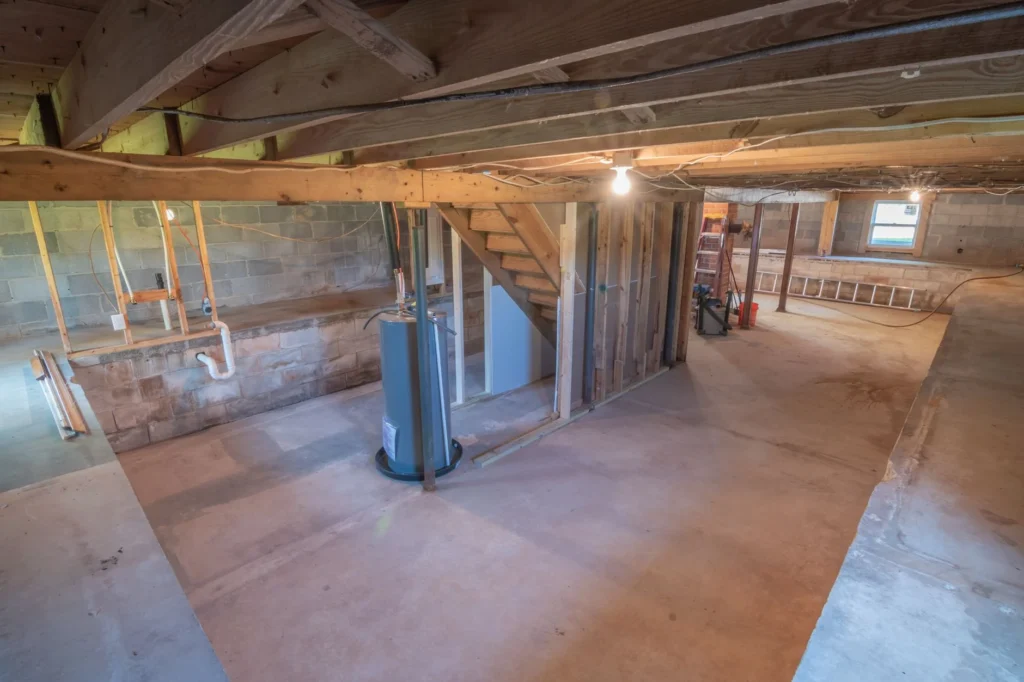
Common Signs You Need Waterproofing
Catching basement moisture issues early can save you significant money and headaches. Keep an eye out for these indicators: a persistent musty odor, visible mold or mildew growth, water stains on walls or floors, efflorescence (white, powdery mineral deposits), peeling paint on basement walls, or actual standing water after heavy rains. A common mistake homeowners make is ignoring these early signs, assuming they’re just minor issues. Addressing them promptly can prevent more extensive and costly damage down the line.
Interior vs. Exterior Waterproofing
Interior Solutions
Interior waterproofing focuses on managing water once it has entered your basement. This can involve sealing cracks, applying waterproof coatings to walls, or installing an interior perimeter drainage system that channels water to a sump pump. These solutions are generally less disruptive and often more affordable upfront. They are effective for dealing with hydrostatic pressure and minor seepage.
Exterior Solutions
Exterior waterproofing aims to prevent water from reaching your foundation walls in the first place. This typically involves excavating around the foundation, repairing cracks, applying a waterproof membrane, and installing exterior drainage systems (like French drains). While more labor-intensive and costly, exterior methods often provide the most comprehensive and long-lasting protection against water intrusion. Deciding between interior and exterior isn’t always straightforward. Exterior work is often more disruptive and costly upfront but can be more effective at preventing water from ever reaching your foundation walls, while interior solutions manage what’s already inside. A professional assessment is crucial here.
Frequently Asked Questions
- How long does basement waterproofing last?
- The longevity varies significantly by solution. Quality exterior waterproofing can last for decades (50+ years), while interior sealants might need reapplication every 5-10 years. Sump pumps typically need replacement every 7-10 years.
- Can I waterproof my basement myself?
- Minor issues like small cracks or wall sealing might be DIY projects. However, anything involving extensive water intrusion, foundation repair, or complex drainage systems requires professional expertise and specialized equipment. Attempting a major waterproofing project yourself without proper knowledge can lead to bigger problems.
- What’s the best time of year to waterproof?
- Anytime is a good time if you have an active leak. For preventative measures, dry seasons (late spring to early fall in many regions) are often ideal for exterior work due to more favorable ground conditions. Interior work can typically be done year-round.
- Will waterproofing increase my home’s value?
- Absolutely. A dry, healthy basement is a major selling point and significantly increases your home’s appeal and market value. It protects your investment and expands your usable living space.
Images sourced from Pexels.