The Real Cost of Basement Waterproofing: Avoid Future Damage
Protecting Your Home: The True Investment of Basement Waterproofing
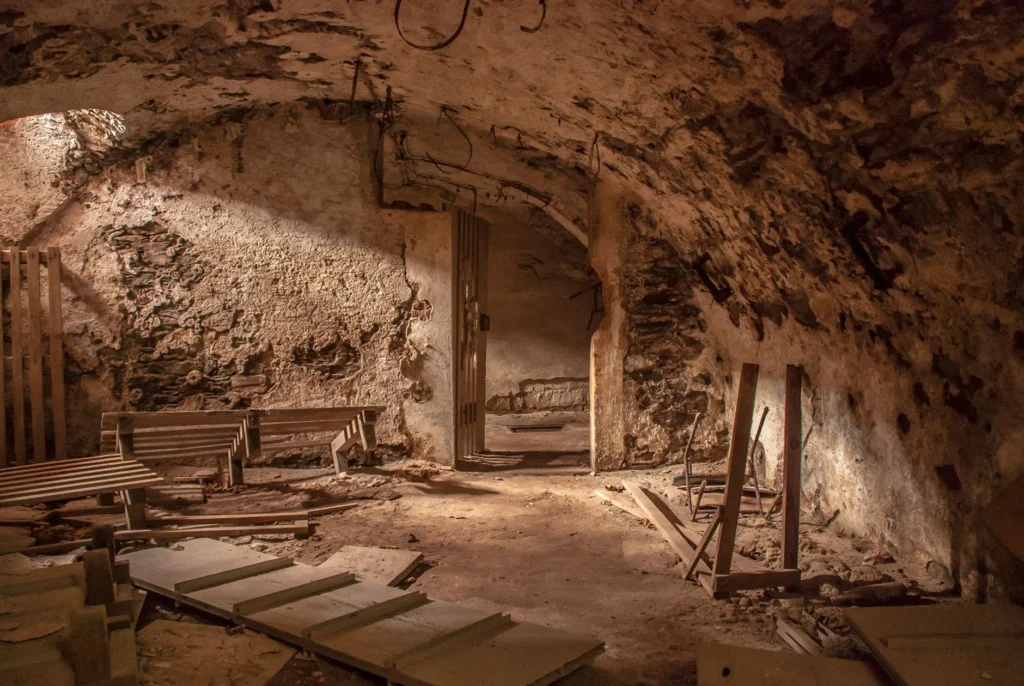
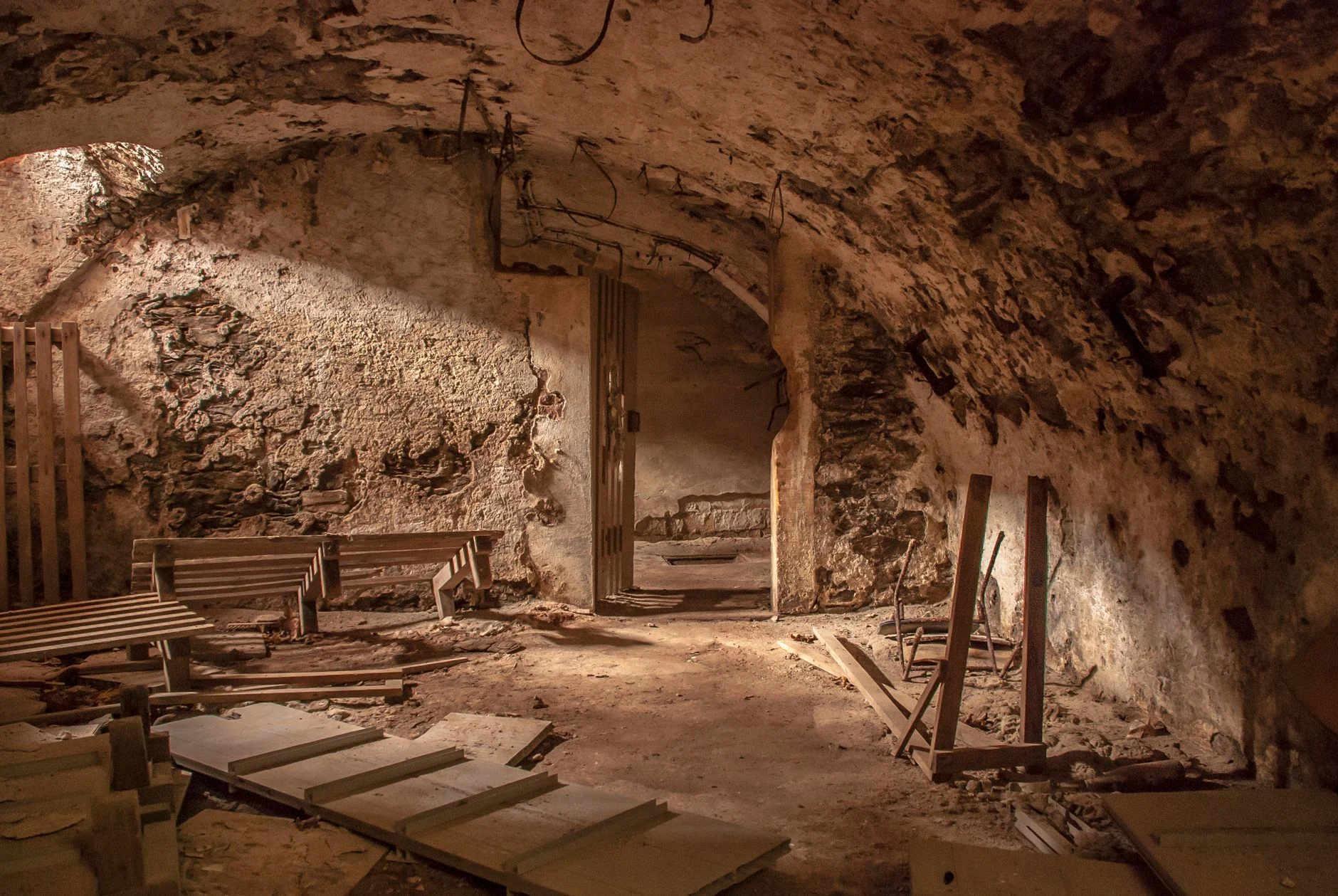
A damp basement isn’t just an unpleasant smell; it’s a ticking time bomb for your home’s structural integrity and your family’s health. Water infiltration can lead to significant damage, from ruined personal belongings and mold growth to compromised foundations that can cost a fortune to repair. Addressing the problem head-on with professional basement waterproofing is often a wise investment, preventing far more expensive issues down the line.
Understanding the costs involved is the first step toward a dry, healthy, and valuable home. While the initial outlay might seem substantial, consider it an insurance policy against future water-related disasters. We’ll break down the current expenses, common services, and what truly influences the price tag, helping you make an informed decision for your property.
Basement Waterproofing Price Table
| Item/Service | Estimated Range (USD) | Notes | |
|---|---|---|---|
| 🏠 | Interior Drain Tile System | $3,000 – $12,000+ | Channels water from walls to a sump pump; less invasive than exterior. |
| 🛠️ | Exterior Waterproofing (Excavation) | $10,000 – $30,000+ | Involves excavating around the foundation to apply membranes/sealants. More disruptive but very effective. |
| 💧 | Sump Pump Installation/Replacement | $600 – $2,500 | Essential for interior systems. Costs vary by pump quality and complexity of installation. |
| 🚧 | Crack Repair (Foundation) | $300 – $1,500 per crack | Epoxy injection for minor cracks; larger structural cracks cost more. Don’t ignore these! |
| 🧱 | Wall Sealants/Coatings | $500 – $3,000 | Best for minor moisture, not active leaks. A good supplementary measure. |
| 🌬️ | Dehumidifier System | $800 – $3,500 | Manages humidity to prevent mold; not a waterproofing solution but helps mitigate dampness. |
| 🔍 | Waterproofing Inspection | $0 – $500 | Many contractors offer free inspections, but some charge a fee for detailed reports. |
| TOTAL (Comprehensive Project) | $3,500 – $40,000+ | Costs vary widely based on region, provider, severity of issues, and chosen solutions. Always get multiple quotes. |

Why Professional Help is a Smart Move
While some minor tasks, like applying a sealant to a dry wall, might seem DIY-friendly, professional basement waterproofing is almost always recommended. Water issues often have complex causes, from hydrostatic pressure to foundation cracks you can’t see. A qualified expert can accurately diagnose the problem, propose the most effective and lasting solution, and ensure the work meets local building codes. Attempting a complex job yourself without proper knowledge or tools can lead to wasted effort, money, and even worse damage.
Factors That Influence Your Final Bill
Several elements play a crucial role in the overall expense of basement waterproofing. The *type of water problem* (seepage vs. flooding, minor crack vs. extensive foundation issue) is paramount. The *size and age of your home* and basement, as well as the *accessibility* of the affected areas, can significantly impact labor time and material costs. Your *geographic location* also matters, with labor rates and material availability varying by region. Finally, the *specific solutions chosen*—interior vs. exterior, basic vs. advanced systems—will drive the final price.
FAQ: Common Questions About Basement Waterproofing Costs
Q: Does waterproofing increase home value?
A: Absolutely. A dry, healthy basement is a major selling point. It protects structural integrity and prevents mold, making your home more appealing and valuable to potential buyers.
Q: How long does basement waterproofing last?
A: With proper installation and maintenance, many professional waterproofing systems can last 10 to 20 years or even the lifetime of the house. Sealants and minor repairs may need more frequent attention.
Q: Is it better to waterproof interior or exterior?
A: Both have their merits. Exterior waterproofing is generally more comprehensive as it stops water before it enters the foundation, but it’s also more disruptive and costly. Interior systems manage water once it has entered, diverting it away. The best approach depends on the specific cause and severity of your water problem.

Images sourced from Pexels.