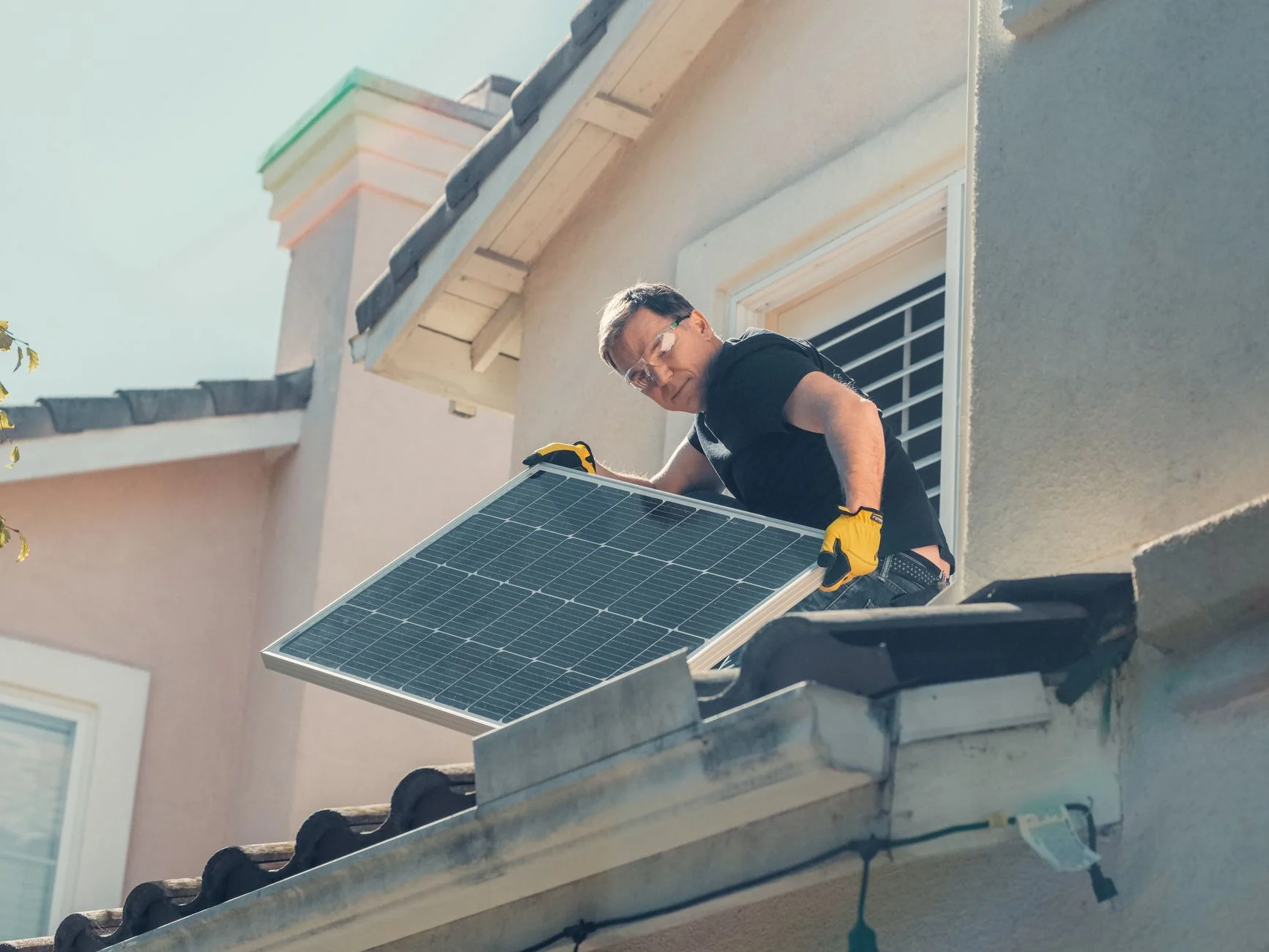
Solar Panel Installation Costs 2026: Your Current Guide to Savings
Investing in solar power remains one of the smartest decisions homeowners can make for 2026. With technological advancements and improved manufacturing processes, solar panel systems are more efficient and accessible than ever before. It’s a powerful way to reduce your carbon footprint, secure energy independence, and hedge against rising utility costs for decades to come.
Understanding the financial commitment is key to a smooth transition. While the exact cost for a solar panel installation in 2026 varies significantly, breaking down the typical components can help you budget effectively. Factors like system size, panel quality, installer choice, and even your roof’s complexity will all play a role in the final price tag. Here’s what you can expect.
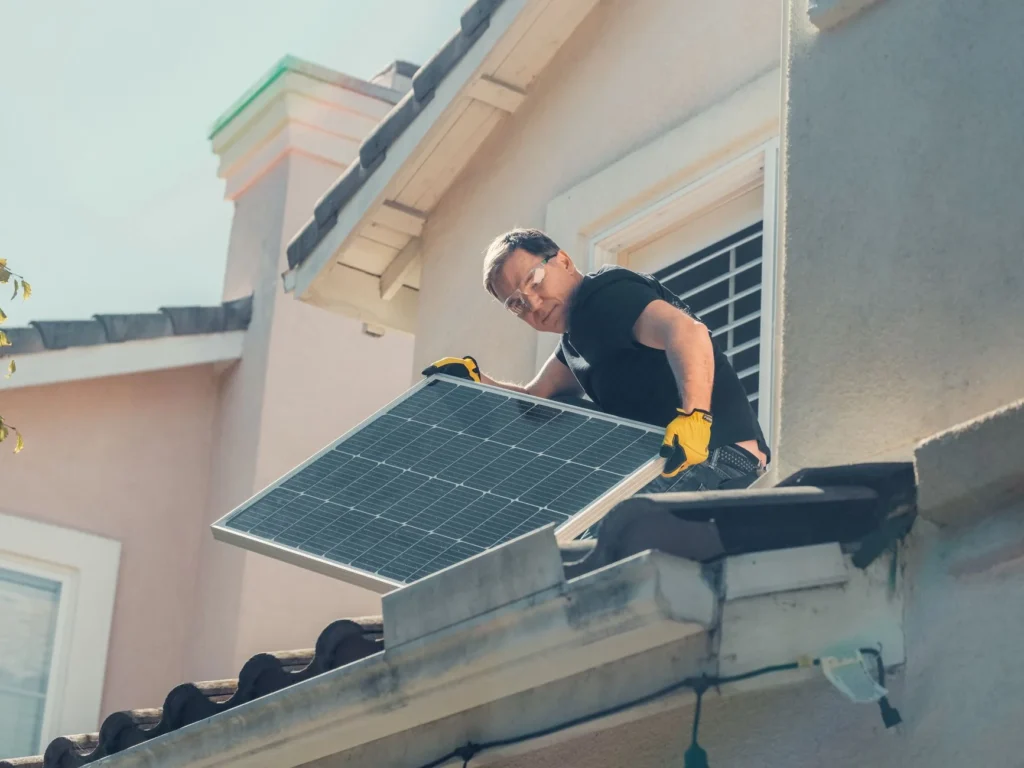
Solar Panel Installation Cost Breakdown 2026
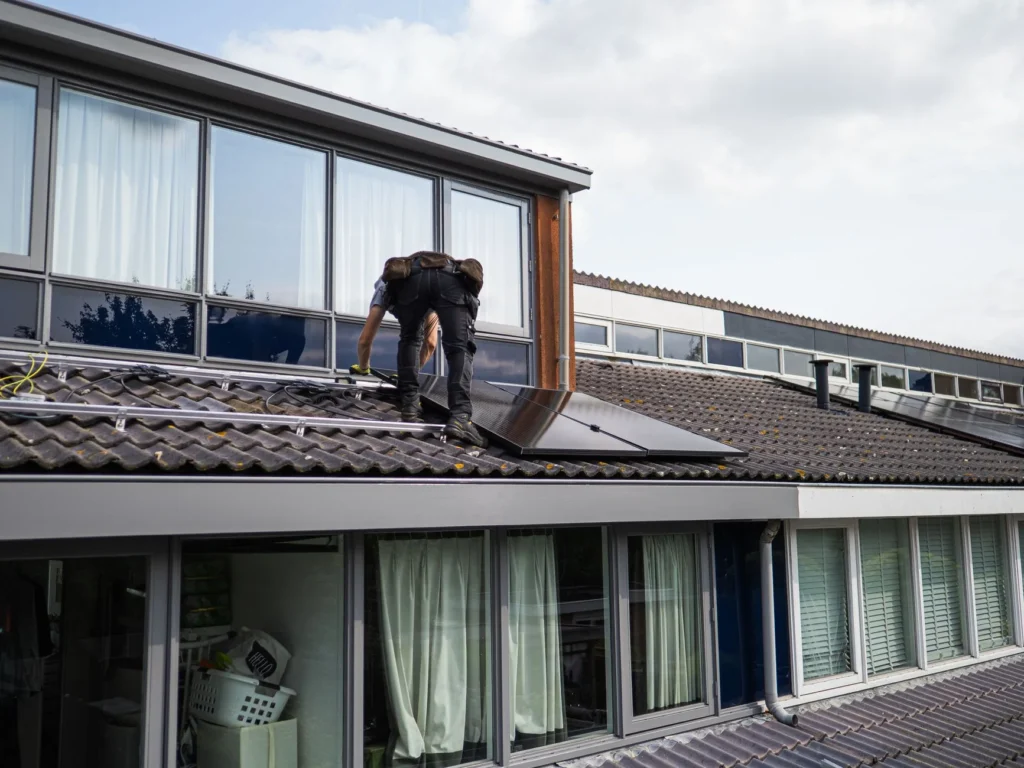
Please note: These are estimated ranges for a typical residential installation in 2026. Actual costs will vary based on your location, chosen provider, system size, and specific product quality.
| Item/Service | Estimated Range (USD) | Notes | |
|---|---|---|---|
| ☀️ | Solar Panels (modules) | $4,000 – $12,000 | Dependent on system size (kW) and panel efficiency/brand. |
| ⚡ | Inverter(s) | $1,200 – $3,500 | Cost varies for string inverters vs. microinverters. |
| 🏗️ | Mounting Hardware | $700 – $2,200 | Includes racking, rails, and attachments; depends on roof type. |
| 📜 | Permits & Inspections | $400 – $1,800 | Required by local authorities; costs vary by municipality. |
| 👷 | Labor | $2,500 – $7,000 | Installation time and crew size impact this; complex roofs cost more. |
| 🔌 | Electrical Work & Wiring | $800 – $2,500 | Panel upgrades or specialized wiring may be needed. |
| 🔋 | Battery Storage (Optional) | $7,000 – $18,000 | For energy independence during outages or time-of-use savings. |
| TOTAL (Residential System, without battery) | $9,600 – $29,000 | Sum of common components, excludes optional battery storage. |
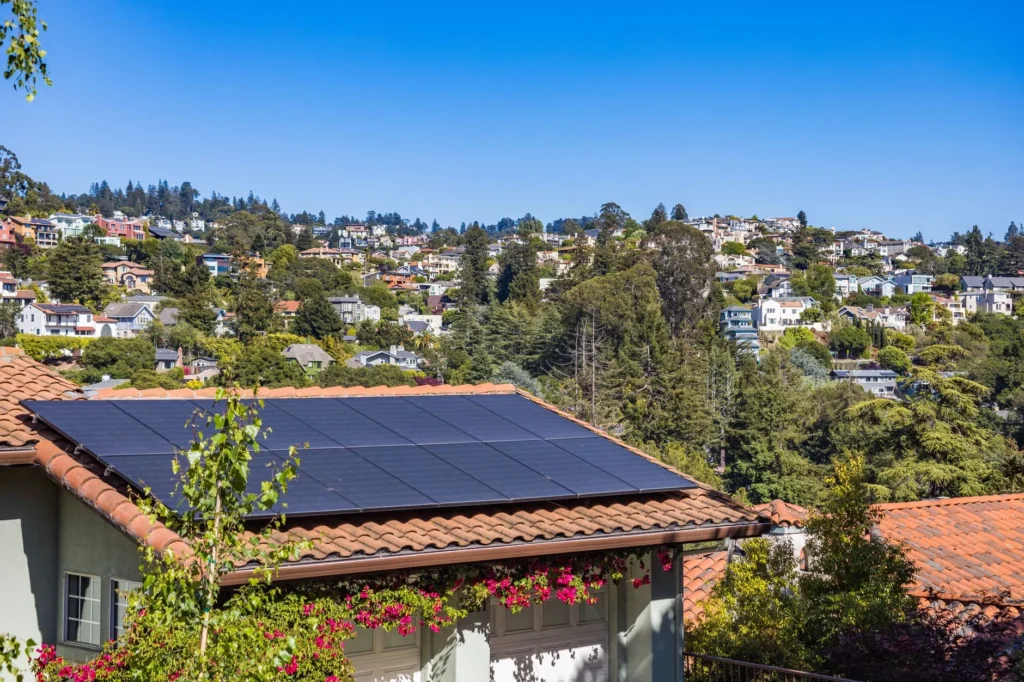
Factors Influencing Your Final Cost
Beyond the raw materials, several elements will sway your total investment. The size of your system (measured in kilowatts, kW) is paramount; a larger home or higher energy consumption demands more panels. Panel efficiency and brand reputation also play a role – premium panels might cost more upfront but deliver better long-term performance. Your roof type and condition can impact labor complexity; a flat roof or difficult pitch might increase installation time and costs. Location matters too, as regional labor rates and specific permit requirements differ. A common mistake many homeowners make is focusing solely on the lowest quote without properly vetting the installer’s reputation or warranty offerings. Due diligence here saves headaches later.
Unlocking Savings: Incentives and Financing
Even with favorable 2026 prices, the initial outlay for solar can be significant. Fortunately, numerous incentives are available. The federal solar Investment Tax Credit (ITC) remains a powerful tool, allowing you to deduct a percentage of your system cost from your taxes. Many states and local municipalities also offer their own rebates, property tax exemptions, or performance-based incentives. Don’t forget net metering policies, which credit you for excess electricity sent back to the grid. For financing, explore options like solar loans, home equity loans, or power purchase agreements (PPAs) that can help you go solar with little to no upfront cost.
The Long-Term Value of Solar
While the upfront cost is a consideration, the long-term savings and increased home equity often outweigh initial expenses, especially as utility rates continue their upward trend. Owning a solar system in 2026 means drastically reduced or eliminated electricity bills, protection from energy price volatility, and a positive contribution to environmental sustainability. Solar installations also consistently boost home resale value, making your property more attractive in a competitive market.
Your Solar Cost Questions Answered
- How long does a typical solar installation take in 2026?
- Once permits are approved, the physical installation for a residential system usually takes 1 to 3 days. The entire process, from initial consultation to flipping the switch, can range from a few weeks to several months, depending on permitting and utility interconnection timelines.
- Will solar panels increase my home value?
- Yes, studies consistently show that homes with owned solar panel systems sell for a premium, typically adding 3-4% to the home’s value in most markets, often more in areas with high electricity costs or strong demand for green homes.
- Are there significant maintenance costs for solar panels?
- Not usually. Solar panel systems are remarkably low-maintenance. Occasional cleaning (especially in dusty regions) is recommended, and an annual check-up of the inverter and wiring can be beneficial. Most systems come with long warranties (20-25 years for panels, 10-15 years for inverters).
Images sourced from Pexels.