Best Hardwood & Tile Flooring Trends for 2026: An Updated Guide
As we look to 2026, homeowners and builders are making smarter, more cost-effective choices for their flooring projects. This year, the focus isn’t just on aesthetics, but on durability, ease of maintenance, and long-term value, especially with evolving material technologies and design sensibilities.
Deciding on the right flooring for your space means balancing trending styles with practical considerations like foot traffic, moisture exposure, and, of course, your budget. Our guide breaks down what’s popular for hardwood and tile, along with the associated costs, helping you make an informed decision for renovations or new builds.
Flooring Project Estimated Costs (2026)
| Item/Service | Estimated Range (USD) | Notes | |
|---|---|---|---|
| 🪵 | Hardwood Flooring Material | $5 – $15 per sq ft | Ranges from engineered options to solid oak/maple. Exotic woods can exceed this. |
| 🧱 | Tile Flooring Material | $2 – $12 per sq ft | Basic ceramic to high-end porcelain/stone. Large format and specialty tiles often cost more. |
| 🛠️ | Installation Labor (Hardwood) | $4 – $10 per sq ft | Complexity of layout, subfloor condition, and installer experience impact cost. |
| 🏗️ | Installation Labor (Tile) | $5 – $15 per sq ft | More complex layouts, patterns, and larger tiles typically require more labor time. |
| 🧹 | Subfloor Preparation | $1 – $4 per sq ft | Includes leveling, minor repairs. Significant repairs or new subfloor adds to cost. |
| ♻️ | Removal & Disposal of Old Flooring | $1 – $3 per sq ft | Varies by existing material (carpet, vinyl, old tile) and disposal fees in your area. |
| ✨ | Sealing/Finishing (Hardwood) | Included in material/labor or $1 – $3 per sq ft | Often part of material or installation, but custom finishes can be extra. |
| 💧 | Grout & Sealer (Tile) | $0.50 – $2 per sq ft | Material cost for grout and a suitable sealer for protection. |
| 💸 | TOTAL | Varies by project size | Total cost depends heavily on square footage, material choice, and labor rates. Always get multiple detailed quotes. |
Disclaimer: All estimated ranges are for guidance in 2026. Actual costs can vary significantly based on your geographic region, chosen providers, material quality, and specific project demands.
Hardwood Highlights for 2026
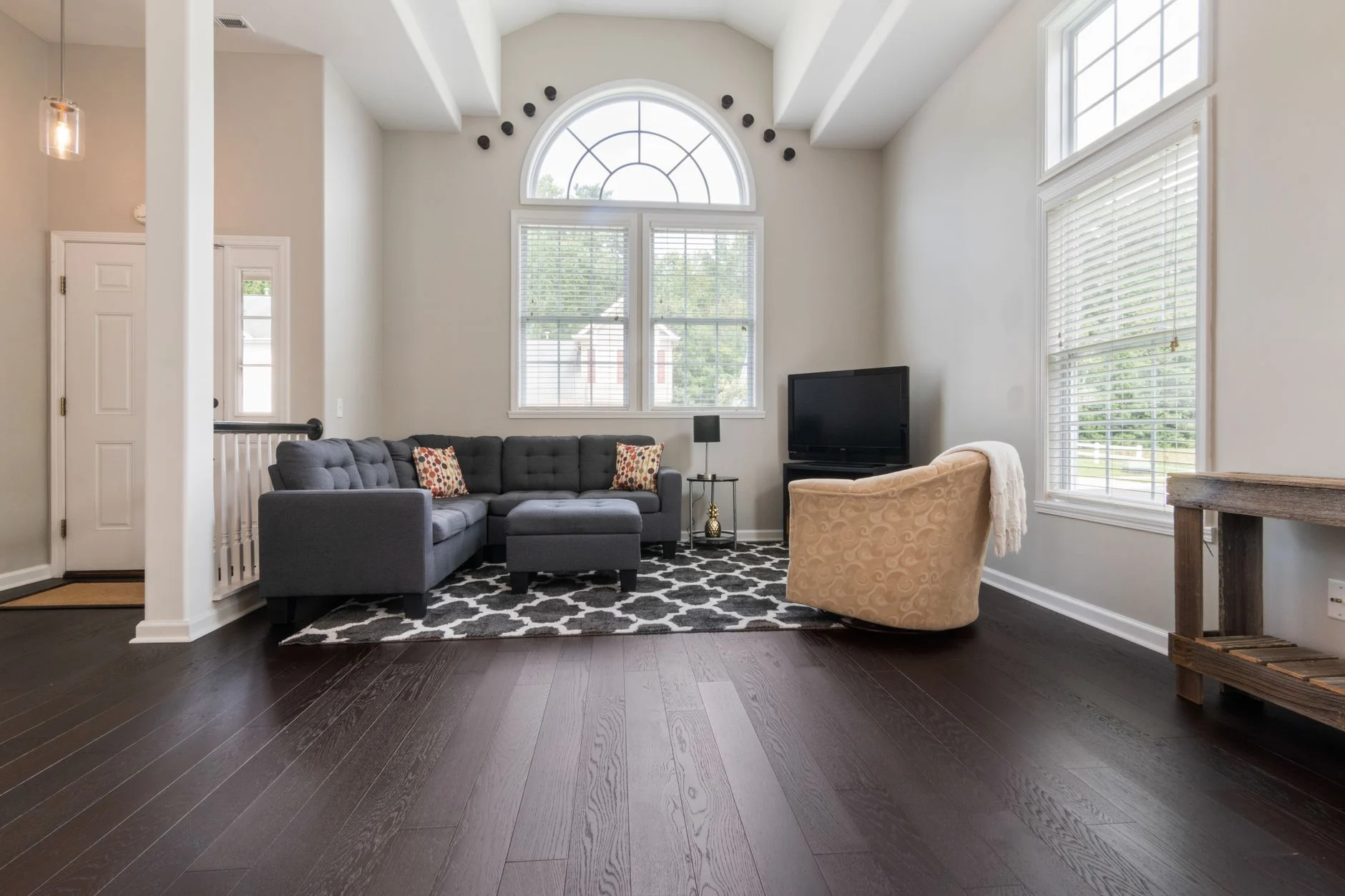
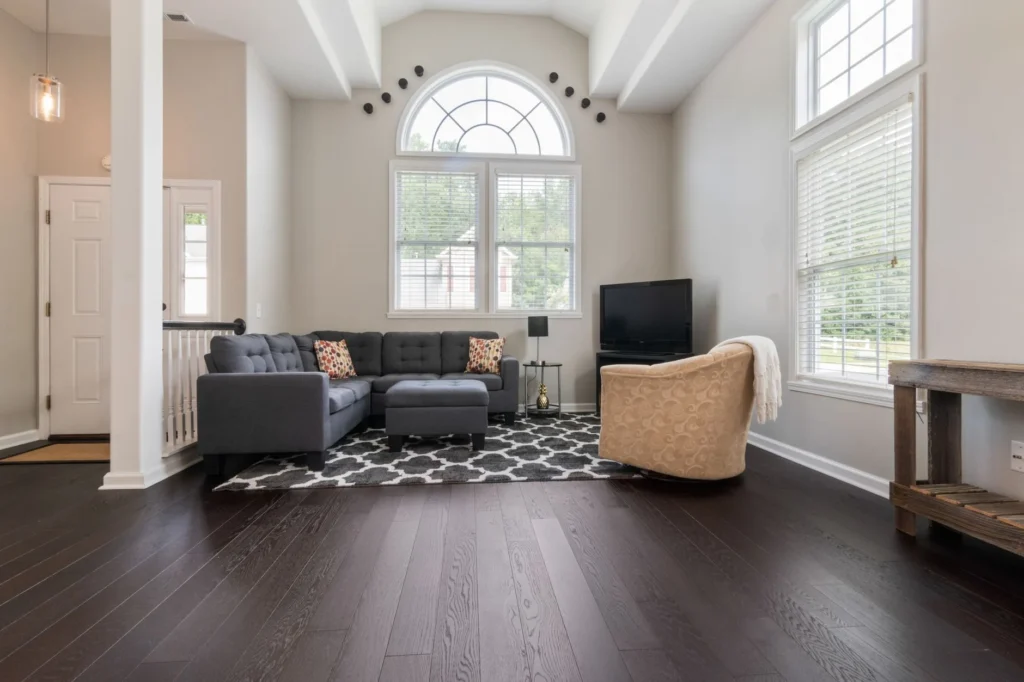
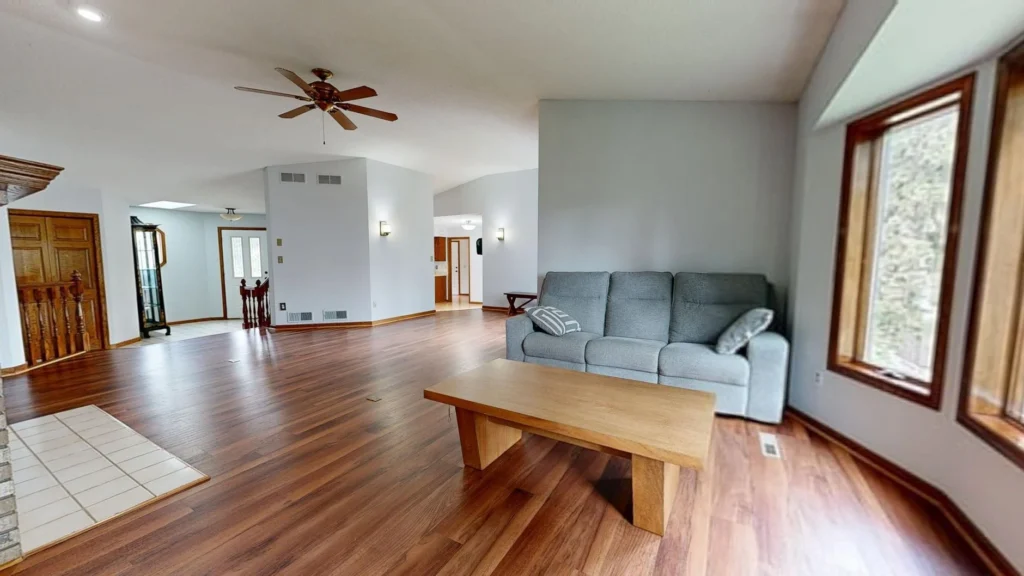
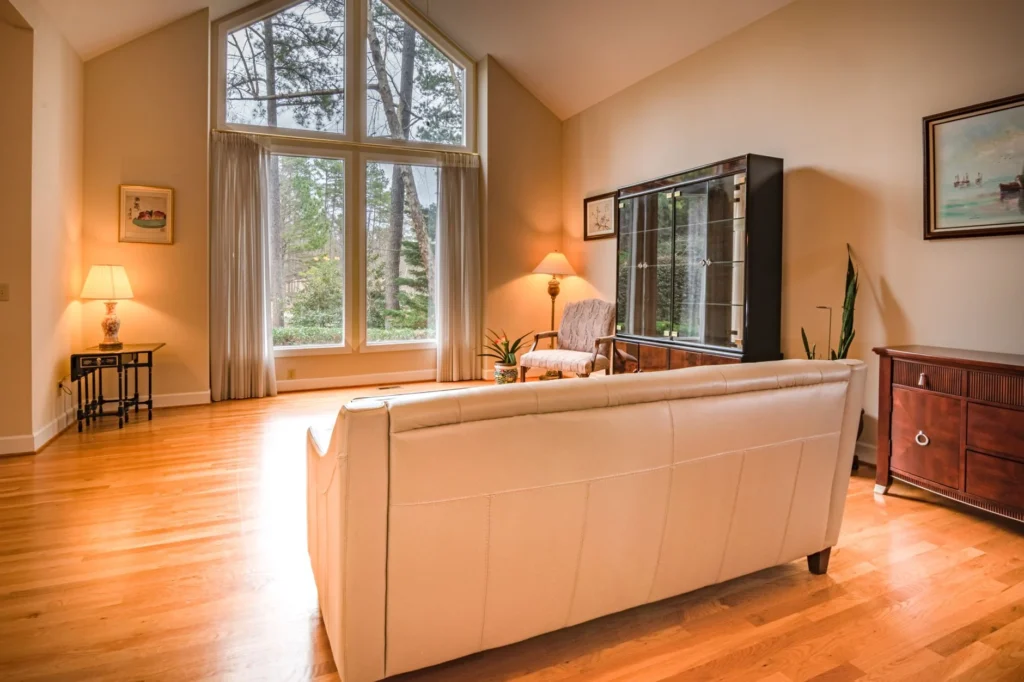
This year, hardwood continues its reign as a top choice, but with a refined focus. Wide planks are still highly sought after, often exceeding 7 inches in width, creating a more expansive and less busy look. Lighter, more natural wood tones are prominent, moving away from overly dark or overly red hues. Think muted oaks, ash, and even pale maples that brighten spaces and complement a variety of decor styles. Engineered hardwood is gaining even more traction, praised for its stability in varied climates and suitability for areas where solid hardwood might be problematic, like basements or over radiant heating.
A common mistake people make is not considering engineered hardwood for its practical benefits, especially in fluctuating humidity environments. It offers the authentic look of solid wood with enhanced dimensional stability. Don’t assume solid hardwood is always the “better” choice without evaluating your specific home conditions.
Tile Trends Shaping 2026 Spaces
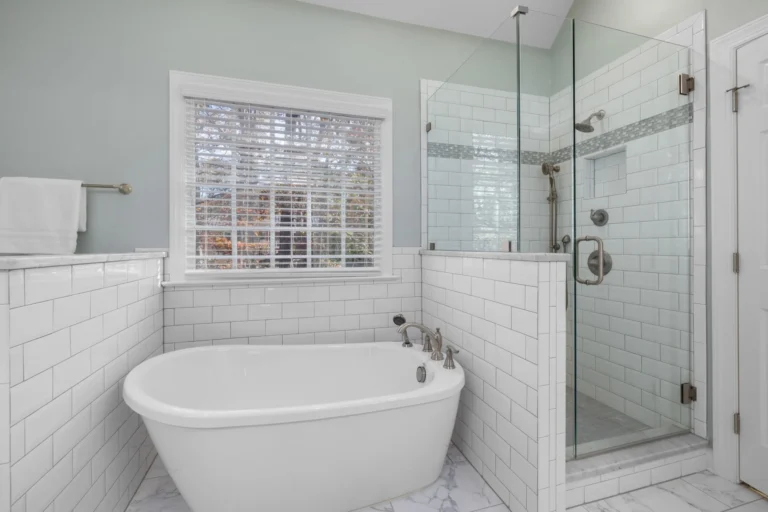
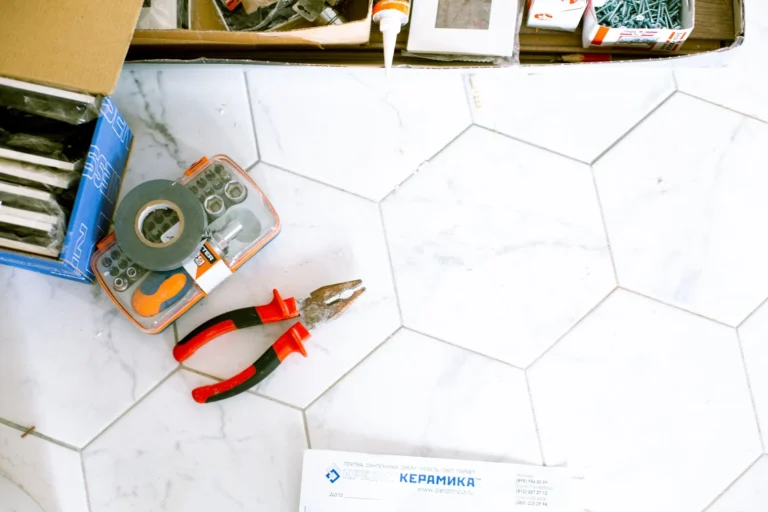
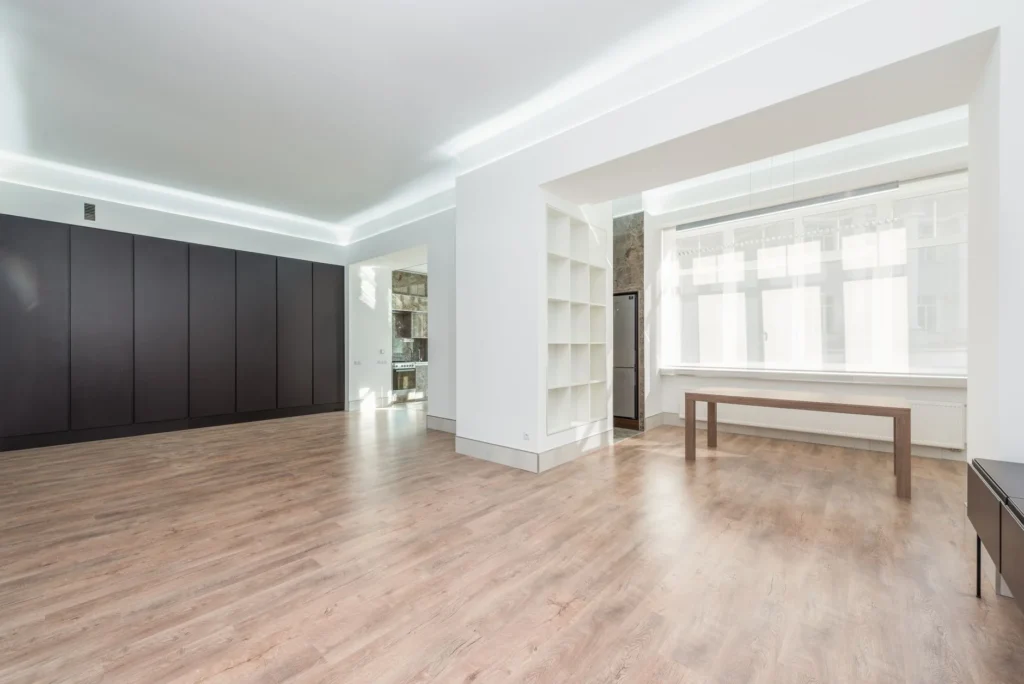
Tile in 2026 is all about making a statement, often subtly. Large format tiles, some reaching sizes like 24×48 inches or even larger, are a definitive trend, minimizing grout lines and creating a sleek, seamless appearance, especially in open-concept areas. Textured finishes, mimicking natural stone, concrete, or even wood grain, add depth and tactile interest without the maintenance demands of the real thing. Geometric patterns, though classic, are seeing a resurgence with sophisticated color palettes and intricate designs for accent walls or statement floors.
When selecting tile, a frequent oversight is underestimating the long-term commitment to grout maintenance. While large format tiles reduce grout lines, proper sealing and cleaning are still crucial. Also, choosing overly busy or complex patterns for very small spaces can make the room feel cluttered rather than chic.
Making Smart Flooring Choices
Ultimately, the “best” flooring for your home in 2026 will blend aesthetics with practicality and your budget. Always measure your space accurately, research local installers, and obtain at least three detailed quotes. Consider the long-term impact on resale value, as quality flooring is a significant investment that pays dividends.
Frequently Asked Questions
- Is DIY flooring installation a good idea to save costs?
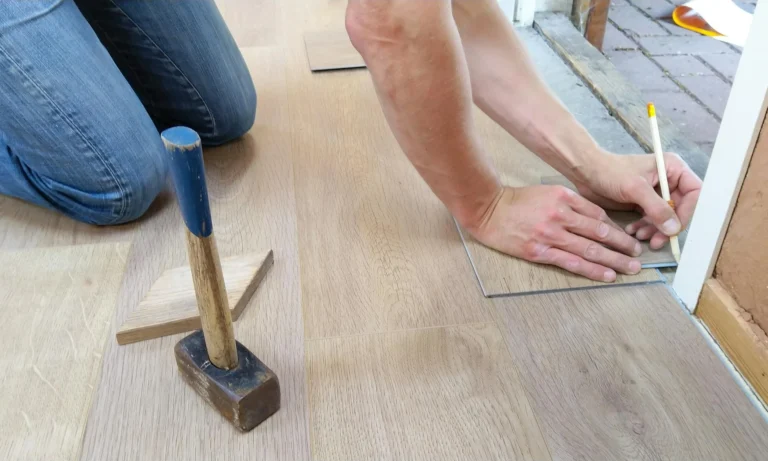
- For simpler projects like click-lock engineered planks or basic vinyl, DIY can save on labor. However, hardwood nailing or complex tile layouts require specialized tools and skills. A professional installation often prevents costly mistakes and ensures longevity.
- How often do flooring trends really change?
- Major flooring trends evolve gradually, typically over 5-10 years, rather than yearly. While minor shifts occur annually, classic choices like natural hardwood and neutral tiles remain perennially popular due to their timeless appeal.
- What’s the best way to maintain new flooring?
- Maintenance depends on the material. For hardwood, regular sweeping/vacuuming and occasional damp mopping with a wood-specific cleaner are key. For tile, routine cleaning with a pH-neutral cleaner and periodic grout sealing will keep it looking fresh. Always follow manufacturer recommendations for best results.
Images sourced from Pexels.