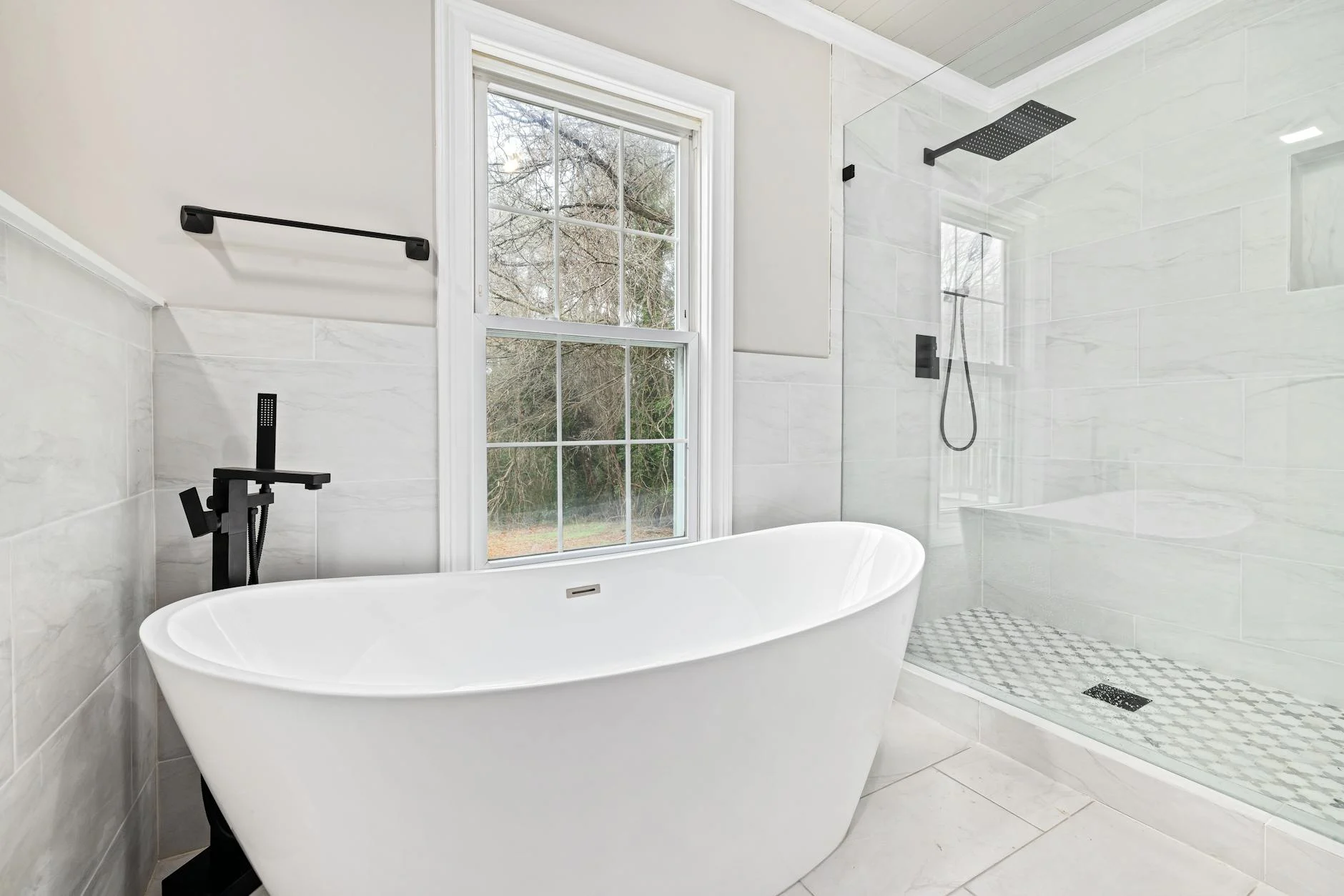
Updated Walkin Tub Installation Costs: A 2026 Outlook
Planning for a walk-in tub installation in 2026? These accessible bathing solutions continue to grow in popularity, offering a blend of safety, comfort, and independence for many homeowners. Whether you’re upgrading for personal mobility needs or future-proofing your home, understanding the financial investment is your first crucial step.
As we look ahead to 2026, various factors will influence the total expenditure, from the tub’s features to regional labor rates and necessary bathroom modifications. This guide breaks down the potential costs you can expect, helping you budget smartly for a successful and stress-free installation project.
Price Table: Estimated Walk-in Tub Installation Costs in 2026
| Item/Service | Estimated Range (USD) | Notes | |
|---|---|---|---|
| 🛀 | Walk-in Tub Unit (Basic to Luxury) | $2,500 – $8,000 | Acrylic, fiberglass, steel; features like jets, air bubbles, quick drain. |
| 🛠️ | Basic Installation Labor | $1,800 – $4,500 | Includes removal of old tub/shower, fitting new unit, basic hookups. |
| 📕 | Permits & Inspections | $75 – $350 | Required by most municipalities for plumbing/electrical work. Varies by location. |
| ⚙️ | Electrical Upgrades | $300 – $1,200 | Often needed for heated seats, hydrotherapy jets, requiring a dedicated circuit. |
| 🚽 | Plumbing Modifications | $400 – $1,500 | Drain relocation, new water lines, pressure balancing valves. |
| 🚶 | Old Tub/Shower Removal & Disposal | $200 – $600 | Cost for demolition, hauling, and disposal fees. |
| 🚻 | Accessibility Enhancements | $150 – $500 | Includes grab bars, reinforced walls for future additions, non-slip flooring. |
| TOTAL (Estimated Overall Project) | $5,425 – $16,650 | These ranges are for 2026 and can vary significantly based on your location, chosen provider, tub features, and the complexity of your bathroom’s existing setup. |
Key Factors Influencing Your 2026 Investment
By 2026, several elements will still dictate the final cost of your walk-in tub project. The type of tub you select is paramount; basic soaker models are far less expensive than those equipped with hydrotherapy jets, chromotherapy lighting, or bariatric features. Installation complexity also plays a huge role. If your existing plumbing and electrical systems require extensive upgrades to accommodate the new tub’s demands, expect higher labor and material costs. One common oversight is neglecting necessary electrical upgrades for built-in heaters or therapeutic jets. Budgeting for a dedicated circuit upfront can prevent costly last-minute changes.
Smart Savings Strategies for Your 2026 Project
To keep your walk-in tub installation within budget for 2026, consider a few practical approaches. First, always obtain at least three detailed quotes from licensed and insured contractors. This allows you to compare not just price, but also the scope of work and contractor reliability. Sometimes, doing the demolition of your old tub yourself can save a few hundred dollars on labor. Also, look for potential rebates or assistance programs through local senior services or disability organizations, which may offer aid for home accessibility modifications. Remember, the cheapest bid isn’t always the best; scrutinize what’s included to avoid unexpected charges later.
Frequently Asked Questions
How long does a walk-in tub installation typically take in 2026?
Most standard walk-in tub installations can be completed within 1 to 3 days. However, projects requiring extensive plumbing or electrical modifications, or significant bathroom remodeling, could extend to a week or more.
Do I need a permit for a walk-in tub installation?
Yes, in most areas for 2026, you will need a building permit for any significant plumbing or electrical work, which is common with walk-in tub installations. Your contractor should handle this process for you, but it’s always wise to confirm.
What’s the difference between air jets and water jets in walk-in tubs?
Air jets provide a gentler, effervescent massage, while water jets (hydrotherapy) offer a more powerful, targeted massage. Tubs with water jets typically cost more and may require more robust electrical setups.
Images sourced from Pexels.