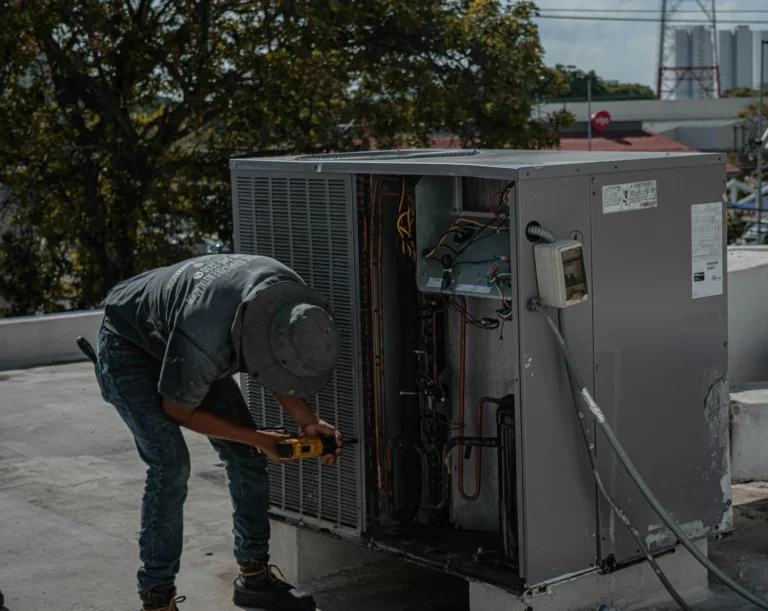
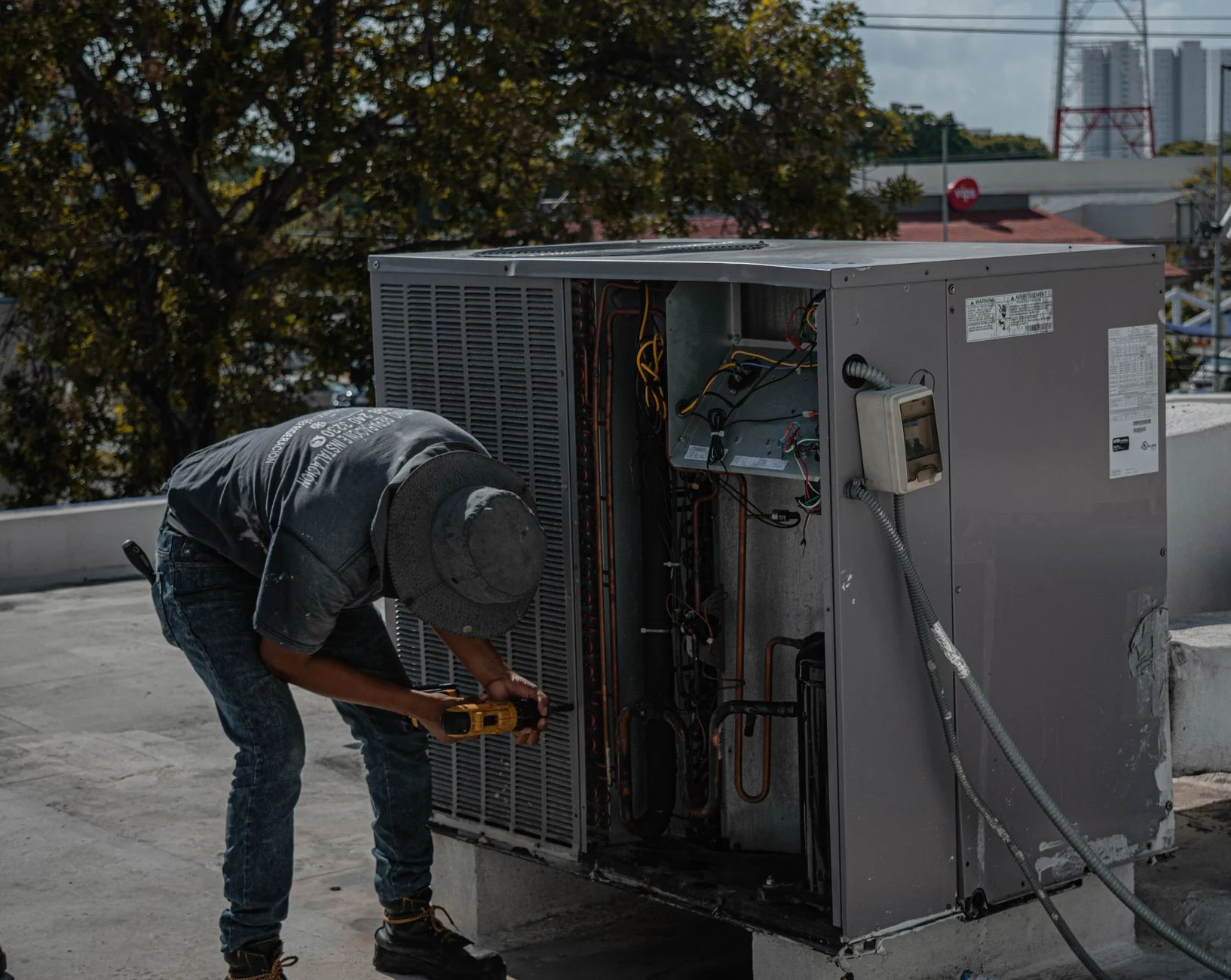
HVAC Installation Costs 2026: Your Guide to Expected Figures
Planning a significant home upgrade? A new HVAC system is a major investment, crucial for comfort and energy efficiency, especially in 2026. Understanding the financial commitment upfront helps you budget effectively and make informed decisions, whether you’re replacing an aging unit or installing a system in a new build.
Prices for HVAC components and labor can fluctuate based on regional demand, material costs, and the specific technology you choose. This guide provides realistic cost estimates for typical HVAC installations you might encounter throughout 2026, helping you prepare for one of your home’s most vital systems.
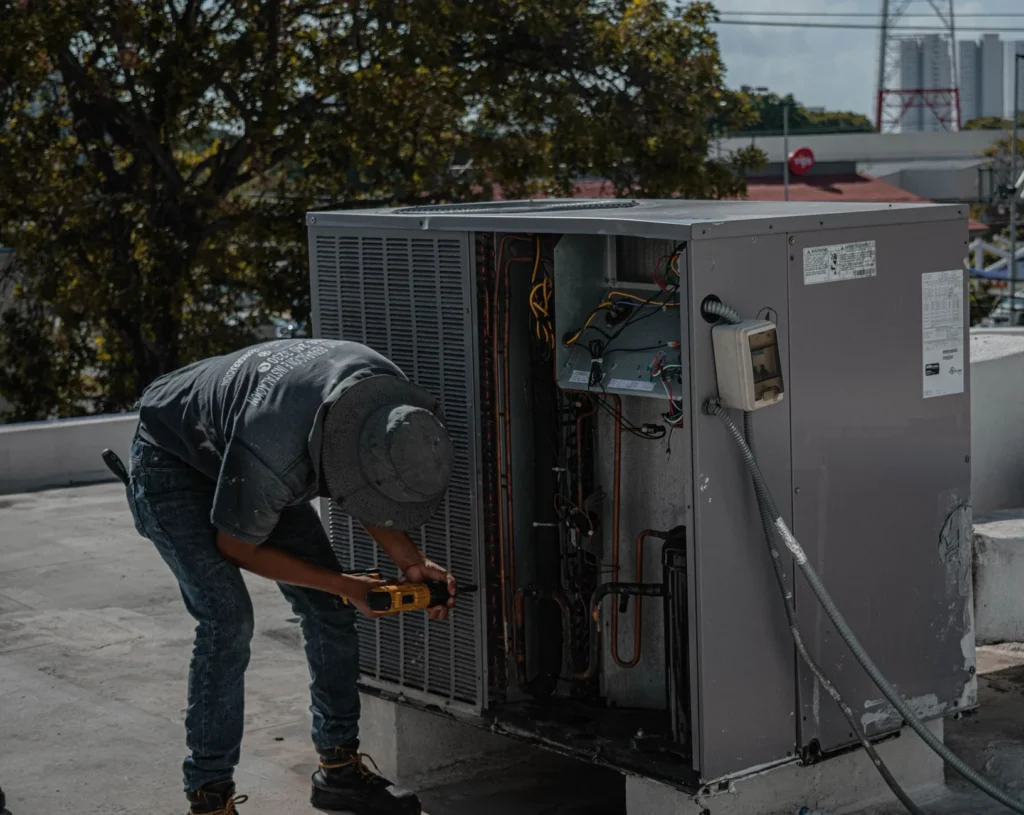
Price Table: HVAC Installation Estimates 2026
| Item/Service | Estimated Range (USD) | Notes | |
|---|---|---|---|
| 🌬️ | Central AC Unit (Standard Efficiency) | $3,800 – $7,800 | For units 2-4 tons, includes basic installation. |
| 🔥 | Furnace (Standard Efficiency, Gas/Electric) | $2,700 – $6,200 | Includes installation, compatible with existing ductwork. |
| 🏡 | Complete HVAC System (AC + Furnace) | $7,000 – $15,500 | New AC unit, new furnace, standard installation. |
| 💨 | Ductwork Installation (New Home/Extensive Repair) | $2,000 – $6,500 | Cost varies significantly by home size and complexity. |
| ⚙️ | Heat Pump System (Heating & Cooling) | $6,500 – $13,000 | Energy-efficient option, includes installation. |
| 🧹 | Old System Removal & Disposal | $200 – $500 | Typically included in full installation quotes, but can be separate. |
| ✅ | Permits & Inspections | $150 – $400 | Mandatory in most areas; ensures safety and compliance. |
| 💰 | TOTAL (Typical New System Installation) | $7,500 – $16,000 | For a standard new AC + Furnace system, including labor and permits. |
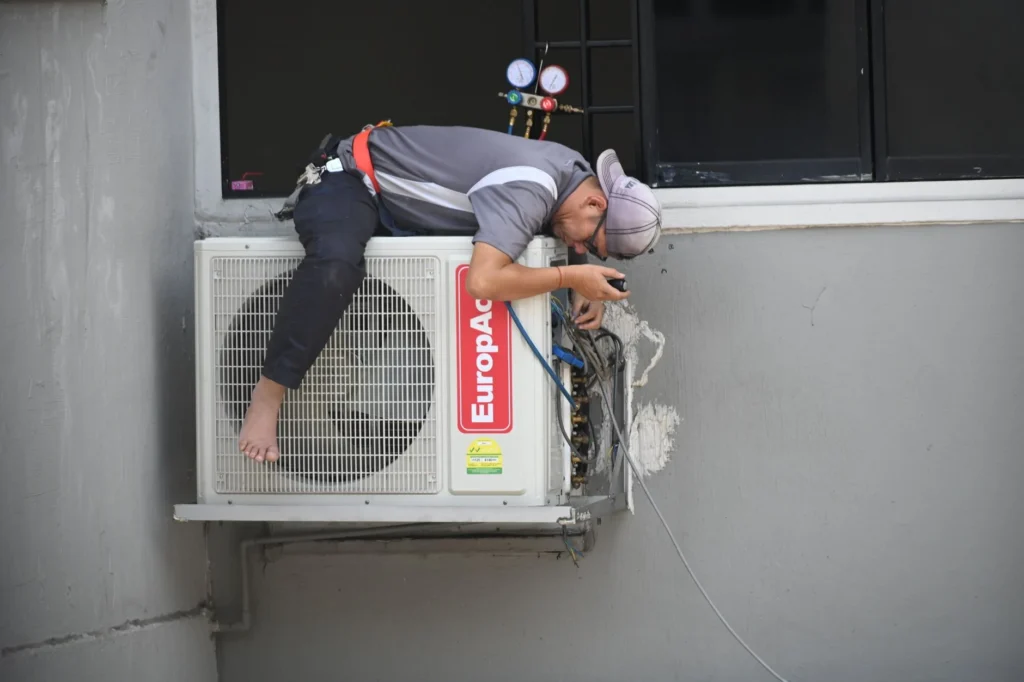
Disclaimer: These ranges are estimates for 2026 and can vary based on your geographic location, the specific contractor, brand chosen, system efficiency, and home layout. Always obtain multiple detailed quotes.
Key Factors Influencing Your HVAC Costs
Several elements will steer your final bill. The type of system is a big one: a high-efficiency heat pump will naturally cost more upfront than a standard furnace replacement. Your home’s size and existing infrastructure also play a role; a large home needing extensive new ductwork will incur higher costs. Don’t forget regional labor rates; installation can be pricier in metropolitan areas compared to rural ones.
Smart Ways to Optimize Your Investment
When seeking quotes, don’t just jump at the lowest bid without checking references and licensing. A rock-bottom price often signals future headaches or corner-cutting, especially with complex systems like HVAC. Instead, focus on value: a reputable contractor with slightly higher rates might offer better warranties and long-term reliability. Also, inquire about potential energy rebates or tax credits for high-efficiency systems; these can significantly offset your initial expenditure.
Common Mistakes to Avoid
One common oversight is neglecting necessary permits. Skipping this step can lead to fines, installation issues, and problems during resale. Another mistake? Not adequately sizing your system. An undersized unit won’t cool or heat properly, while an oversized one will cycle inefficiently, both wasting energy and shortening its lifespan. Always trust your contractor to perform a proper load calculation.
Frequently Asked Questions About HVAC Installation
How long does a typical HVAC installation take?
Most standard residential HVAC installations (replacing an existing system) can take anywhere from one to three days. More complex jobs, like installing all-new ductwork or converting to a different system type, might extend to five days or more.
Is it better to replace both my AC and furnace at the same time?
Often, yes. While the initial cost is higher, replacing both units ensures they are properly matched for optimal efficiency, potentially saving you money on energy bills. Furthermore, you’ll benefit from consistent warranties and avoid staggered replacement costs down the line.
What’s the best time of year to install a new HVAC system?
Generally, the shoulder seasons – spring or fall – are ideal. Contractor schedules are less packed, potentially allowing for better pricing and quicker installation times, and you won’t be without heating or cooling during extreme weather.
Images sourced from Pexels.