HVAC Installation Guide 2026: Updated Info & Tips
Upgrading your home’s HVAC system is one of the most significant investments you’ll make in its comfort and value. For 2026, homeowners are looking for systems that aren’t just reliable but also energy-efficient and smart-home compatible. The right setup means consistent temperatures, cleaner air, and often, noticeable savings on utility bills down the line.
Planning your HVAC installation involves more than just picking a unit. It’s about understanding the components, the labor involved, and those crucial pre-installation decisions that impact both your immediate budget and long-term satisfaction. This guide breaks down the typical costs and considerations for HVAC installation in 2026, helping you navigate the process with confidence.
Price Table
| Item/Service | Estimated Range (USD) | Notes | |
|---|---|---|---|
| 🏠 | New AC Unit (Central) | $3,500 – $8,000 | Unit cost only; varies by SEER2 rating and tonnage. |
| 🔥 | New Furnace (Gas/Electric) | $2,000 – $6,000 | Unit cost only; varies by AFUE rating and BTU output. |
| 🌬️ | Ductwork (New Installation/Major Repair) | $2,000 – $6,000 | Depends heavily on home size and existing infrastructure. |
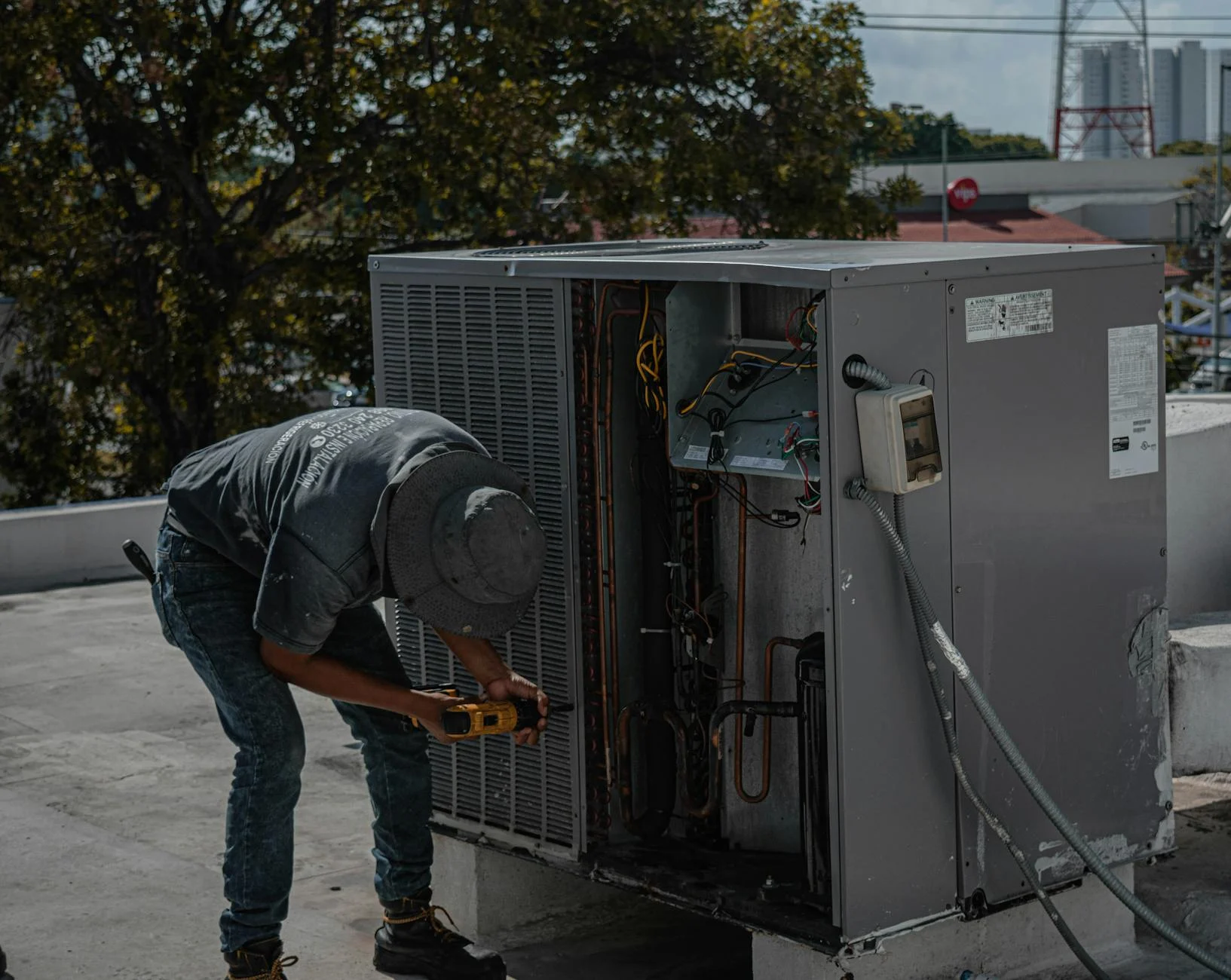
| 🛠️ | Installation Labor | $2,500 – $7,500 | Includes system removal, setup, and testing. Highly variable by region and complexity. |
| 📄 | Permits & Inspections | $150 – $500 | Required in most localities to ensure safety and code compliance. |
| 🗑️ | Old System Removal & Disposal | $200 – $600 | Cost to properly dismantle and haul away old units. |
| 💡 | Smart Thermostat | $150 – $400 | Unit cost, often installed as part of the package. |
| 🔌 | Electrical Upgrades | $300 – $1,500 | If existing wiring/panel isn’t adequate for the new system. |
| TOTAL | $10,800 – $30,500 | This broad range reflects significant variations based on system type, home specifics, regional labor rates, and chosen efficiency levels. Always get multiple detailed quotes. |
Disclaimer: These are estimated ranges for 2026. Actual costs will vary significantly based on your geographic region, chosen provider, specific equipment models, home size, and any unique installation challenges.
Factors Influencing Your HVAC Installation Cost
Understanding what drives the price can help you budget effectively. Beyond the basic units, several elements play a big role. The type of system you choose, for example—a split system versus a packaged unit, or a heat pump versus a traditional furnace and AC—has a core impact. Heat pumps, while offering both heating and cooling, often have a higher upfront unit cost.
System Size and Efficiency
A common mistake people make is not getting the system properly sized for their home. Too small, and it runs constantly, never quite keeping up. Too large, and it cycles on and off too frequently, wasting energy and failing to dehumidify effectively. Efficiency ratings like SEER2 for air conditioners and AFUE for furnaces directly correlate with unit cost: higher efficiency usually means a higher initial investment, but often leads to lower monthly utility bills over the system’s lifespan. Consider your long-term energy goals.
Ductwork and Home Configuration
If your home needs new ductwork installed or significant repairs to existing ducts, prepare for a substantial addition to the overall cost. Older homes, especially, might require extensive modifications to accommodate a modern, efficient system. The layout of your home, attic access, and crawl space conditions all factor into the labor complexity.
Smart Decisions Before You Install
Preparation is key to a smooth installation and avoiding unexpected expenses.
Get Multiple Quotes
Don’t settle for the first estimate you receive. Contact at least three reputable HVAC contractors. Request detailed, written quotes that break down equipment costs, labor, permits, and any warranties. This allows you to compare services fairly and negotiate confidently.
Consider a Maintenance Plan
Many contractors offer annual maintenance plans that include seasonal tune-ups. While an added cost, these plans can extend the life of your new system, maintain its efficiency, and often come with priority service or discounts on repairs. It’s a worthwhile investment in protecting your new system.
Quick FAQ
- How long does a typical HVAC installation take in 2026?
- Most standard central HVAC installations (AC and furnace) can be completed within 1 to 3 days. More complex projects involving new ductwork or extensive electrical upgrades might take 3 to 5 days, or even longer.
- Can I finance HVAC installation in 2026?
- Absolutely. Many HVAC companies offer financing options, often with competitive interest rates or deferred payment plans. Banks and credit unions also provide home improvement loans. It’s smart to compare these options to find what works best for your budget.
- What common mistakes should I avoid?
- Beyond improper sizing, a big one is neglecting proper insulation and sealing in your home. Even the most efficient HVAC system will struggle if your home is leaking air. Address drafts and insulation issues before installation to maximize your new system’s performance and save more money.
Images sourced from Pexels.