Solar Panel Installation Costs 2026: A Homeowner’s Guide
As we navigate further into 2026, the allure of solar energy for homeowners is stronger than ever. Beyond its profound environmental benefits, continuous advancements in technology and evolving policy landscapes make solar panel installations an increasingly sensible financial decision. Understanding the investment required upfront is paramount for anyone considering a shift to renewable power.
This comprehensive guide breaks down the typical costs associated with outfitting your home with a solar energy system in 2026. While exact prices can vary significantly based on your geographic location, system size, and chosen providers, our aim is to offer clear, actionable ranges to help you budget effectively and make well-informed choices for your property.
2026 Solar Installation Price Table
Please note: These ranges are estimates for an average residential installation in 2026. Actual costs will vary significantly based on your region, system size, chosen equipment quality, and installation company. Always obtain multiple quotes.
| Item/Service | Estimated Range (USD) | Notes | |
|---|---|---|---|
| ☀️ | Solar Panels (PV Modules) | $10,000 – $25,000 | Dependent on total wattage (e.g., 6-10kW systems) and panel efficiency. |
| 💡 | Inverter(s) | $2,500 – $7,000 | String inverters, micro-inverters, or hybrid systems for battery integration. |
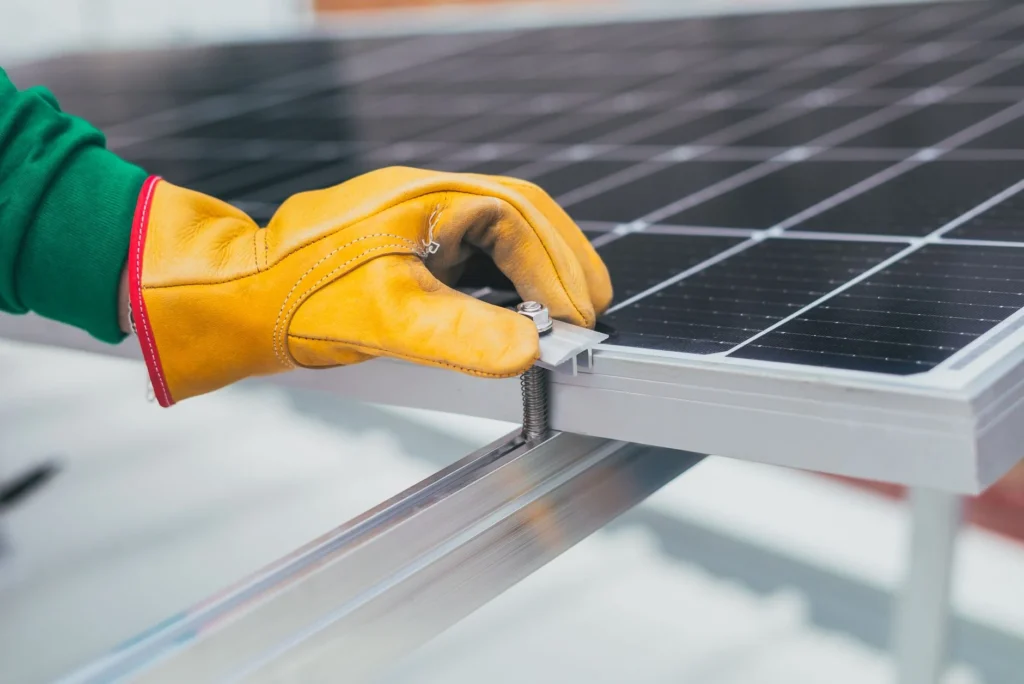
| 🛠️ | Mounting Hardware & Racking | $1,500 – $4,000 | Includes rails, clamps, and roof attachments. Varies with roof type. |
| 👷 | Installation Labor | $5,000 – $12,000 | Covers skilled labor for system assembly and electrical connection. |
| 🔌 | Electrical Work & Wiring | $1,000 – $3,000 | Main panel upgrades, conduit, and system wiring to grid. |
| 📋 | Permitting, Inspection & Design | $750 – $2,500 | Local permits, engineering design, and necessary inspections. |
| 🔋 | Optional Battery Storage | $6,000 – $18,000 | For energy independence during outages or maximizing self-consumption. |
| 💰 | TOTAL | $26,750 – $71,500 | Includes a standard system with optional battery storage. |
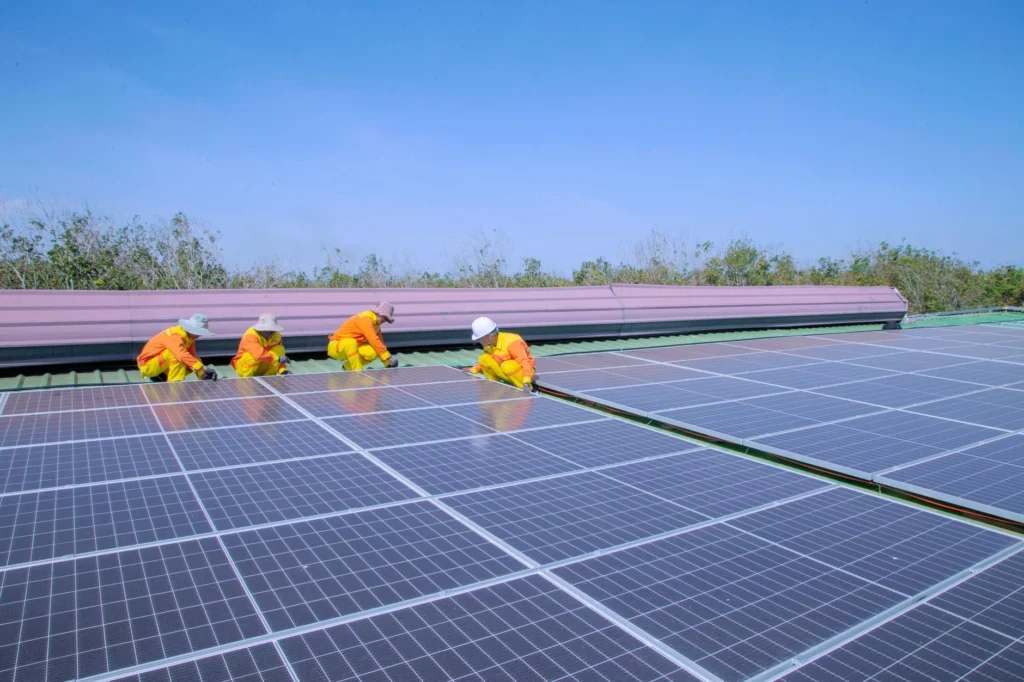
Factors Influencing Your Solar Investment
Several elements play a critical role in the final price tag of your solar installation. The size of your system, measured in kilowatts (kW), is a primary factor; larger homes or higher energy consumers naturally require more panels. The type and quality of solar panels and inverters you select also drive costs. Premium brands often come with better warranties and slightly higher efficiency, impacting long-term performance.
Your home’s specific roof characteristics – its angle, material, and available space – can affect installation complexity and cost. Furthermore, local labor rates and the permitting processes unique to your municipality will contribute to the overall expense. Many homeowners focus solely on the initial panel cost and overlook the critical importance of a robust inverter system or future-proofing their energy storage needs; consider your long-term energy goals carefully.
Maximizing Incentives in 2026
The landscape of solar incentives in 2026 continues to be a significant game-changer for reducing upfront costs. Federal tax credits, such as the Investment Tax Credit (ITC), are still a cornerstone, offering a substantial percentage back on your total system cost. Beyond federal programs, many states and local utilities provide additional rebates, grants, or performance-based incentives (like SRECs, Solar Renewable Energy Credits). Do not underestimate the value of these programs; neglecting to fully research available federal, state, and local incentives is a common oversight that can cost you thousands. Always verify eligibility and application deadlines.
Common Pitfalls to Avoid
When considering solar, it’s easy to get swept up in competitive pricing. However, choosing the cheapest option without thoroughly vetting the installer or understanding the equipment’s warranty is a major pitfall. A reputable installer will provide comprehensive quotes, transparent pricing, and clear communication about their products and services. Ensure they are licensed and insured.
Another mistake is not assessing your future energy needs. Are you planning to add an electric vehicle, a heat pump, or expand your home in the coming years? A solar system designed only for your current consumption might fall short. Plan for a system that can comfortably meet anticipated increases in electricity demand.
Frequently Asked Questions
How long do solar panels last in 2026?
Most modern solar panels installed in 2026 are warranted to perform efficiently for 25 to 30 years, often continuing to produce power beyond that lifespan, albeit at a slightly reduced capacity.
Is solar battery storage worth the extra cost in 2026?
For many, yes. Battery storage provides energy independence during grid outages and can allow homeowners to optimize energy usage by storing excess solar power generated during the day for use at night, potentially saving on time-of-use utility rates.
What is the typical ROI for solar in 2026?
Return on investment (ROI) varies widely depending on electricity rates in your area, available incentives, and the initial system cost. Many homeowners can expect to see a payback period between 6 to 12 years, with significant savings on electricity bills continuing for decades thereafter.
Images sourced from Pexels.