
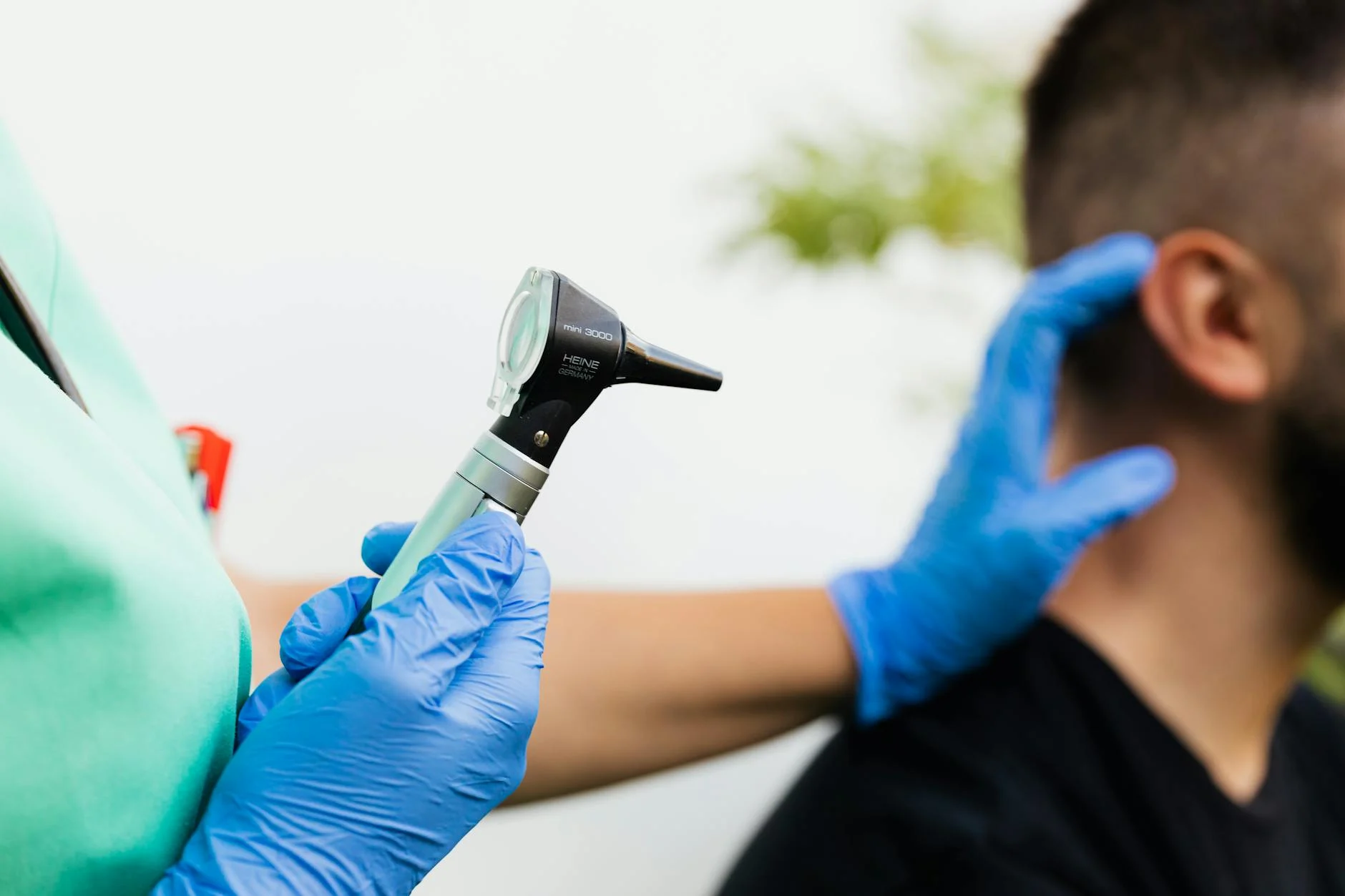
Updated Hearing Aid Prices 2026: A Comprehensive Guide
Navigating the world of hearing aids in 2026 can feel like a significant financial commitment. With advancements in technology and a wider range of options than ever before, understanding the potential costs involved is crucial for making an informed decision about your hearing health.
This guide breaks down the estimated expenses for various hearing aid types and related services you might encounter. We aim to offer clear, practical insights, helping you prepare for the investment and ensuring you find the best solution for your needs without unexpected surprises.
Estimated Costs for Hearing Aids and Services in 2026
Please remember that these are estimated ranges. Actual prices can vary significantly based on region, provider, brand, specific features, and whether services are bundled.
| Item/Service | Estimated Range (USD) | Notes | |
|---|---|---|---|
| 🎧 | Entry-Level Digital Hearing Aid (Per Ear) | $800 – $1,800 | Basic features, suitable for mild to moderate hearing loss. |
| 🔊 | Mid-Range Digital Hearing Aid (Per Ear) | $1,800 – $3,500 | Improved noise reduction, more customization, basic connectivity. |
| ✨ | Premium Digital Hearing Aid (Per Ear) | $3,500 – $6,000+ | Advanced features, sophisticated sound processing, robust connectivity. |
| 👂 | OTC (Over-The-Counter) Hearing Aids | $200 – $1,500 | For perceived mild to moderate hearing loss, available without prescription. |
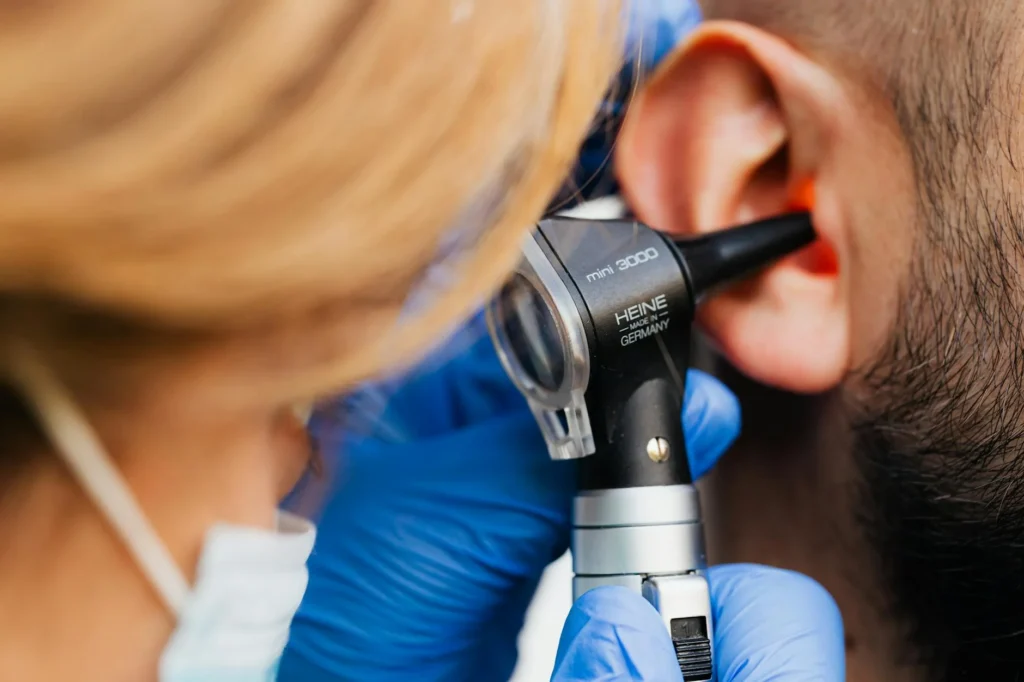
| 👨⚕️ | Initial Audiology Consultation & Exam | $100 – $300 | Diagnostic hearing assessment. May be bundled with device purchase or covered by insurance. |
| ⚙️ | Hearing Aid Fitting & Programming | $150 – $400 | Personalized setup. Often included in the price of the hearing aid purchase. |
| 🔋 | Annual Battery Supply (Disposable) | $50 – $150 | Cost depends on battery type (size, brand) and usage frequency. |
| 🩹 | Maintenance & Cleaning (Annual) | $75 – $200 | Professional cleaning, minor adjustments, tubing replacement. |
| 🛡️ | Extended Warranty / Loss & Damage Protection | $200 – $500 | Typically 1-3 year coverage beyond the manufacturer’s standard warranty. Highly recommended. |
| TOTAL | Estimated Total for One Premium Hearing Aid (over 3 years, with services) | $4,500 – $7,500+ | This is a highly variable estimate. Many providers bundle initial services. |
Beyond the Initial Purchase
Many individuals focus exclusively on the sticker price of the hearing aid itself, which is a common mistake. It’s crucial to remember that the total investment often includes professional services, follow-up care, and ongoing maintenance. Always clarify what’s included in any package deal, such as initial fittings, follow-up adjustments, and warranties.
Understanding what’s covered can prevent unexpected costs down the line. Some providers bundle these services into the device price, while others list them separately. Don’t hesitate to ask for a detailed breakdown.
Factors Influencing Your Investment
Several elements will impact the final price you pay. The level of technology is perhaps the biggest differentiator; premium devices offer more sophisticated features like advanced noise reduction, Bluetooth connectivity, and AI-driven sound adjustments. Brand reputation and the audiology clinic’s location can also play a role.
Your insurance coverage is another major factor. While many plans offer some coverage for examinations, direct hearing aid reimbursement can vary widely. It’s always wise to contact your insurance provider directly to understand your benefits before committing to a purchase. Financing options are often available through clinics or third-party lenders.
Over-The-Counter (OTC) Options in 2026
For those with perceived mild to moderate hearing loss, OTC hearing aids continue to be a more accessible and often more affordable option in 2026. These devices are designed for self-fitting and don’t require a professional consultation to purchase. While they offer a significant cost saving, they might not be suitable for everyone, particularly those with more complex or severe hearing loss. A professional assessment can still be valuable to confirm your hearing needs.
Frequently Asked Questions
- Can I get financial assistance for hearing aids in 2026?
- Many options exist. Look into private health insurance benefits, federal and state programs, veteran benefits, and non-profit organizations. Clinics often provide payment plans.
- Are rechargeable hearing aids more expensive?
- Typically, the initial cost of rechargeable models is slightly higher than those using disposable batteries. However, this upfront difference can be offset by long-term savings on battery purchases.
- How long do hearing aids typically last?
- With proper care and maintenance, most hearing aids are designed to last between 3 to 7 years. Factors like daily use, environment, and maintenance habits can influence their lifespan.
Images sourced from Pexels.