

Personal Trainer Rates in 2026: Your Guide to Future Pricing
Planning your fitness journey for the year 2026 involves more than just setting goals; it also means understanding the financial commitment. Personal training remains a highly effective way to achieve significant health and fitness outcomes, offering tailored guidance and accountability that DIY approaches often lack. But what should you expect to pay for this personalized support?
As we look ahead to 2026, the landscape of personal training continues to evolve, influenced by factors like trainer specialization, technological advancements in virtual coaching, and regional demand. We’ve compiled a guide to help you budget for various personal training options, ensuring you can make an informed decision about investing in your well-being.

Understanding Personal Trainer Rates in 2026
The following table outlines estimated price ranges for personal training services in 2026. Remember, these figures are general estimates; actual costs will vary based on your location, the trainer’s experience and certifications, the package duration, and the specific services included.
| Item/Service | Estimated Range (USD) | Notes | |
|---|---|---|---|
| 💪 | Single In-Person Session (60 min) | $80 – $180 | One-off sessions, often used to try out a trainer or for occasional check-ins. |
| 📦 | Package of 10 In-Person Sessions | $700 – $1,500 | Per-session cost often drops with multi-session commitments. |
| 💻 | Virtual Training Session (60 min) | $60 – $120 | Live coaching via video call. Often more flexible and accessible. |
| 👥 | Small Group Training (per person, per session) | $30 – $70 | Shares trainer’s time with 2-4 other clients, reducing individual cost. |
| ⭐ | Specialized Coaching (e.g., pre/post-natal, competitive athlete) | $100 – $250+ | Rates reflect advanced expertise and tailored programming for specific needs. |
| 💰 | TOTAL | $3,000 – $15,000+ | Represents comprehensive annual programs or high-end, long-term coaching packages. |
What Influences 2026 Personal Trainer Costs?
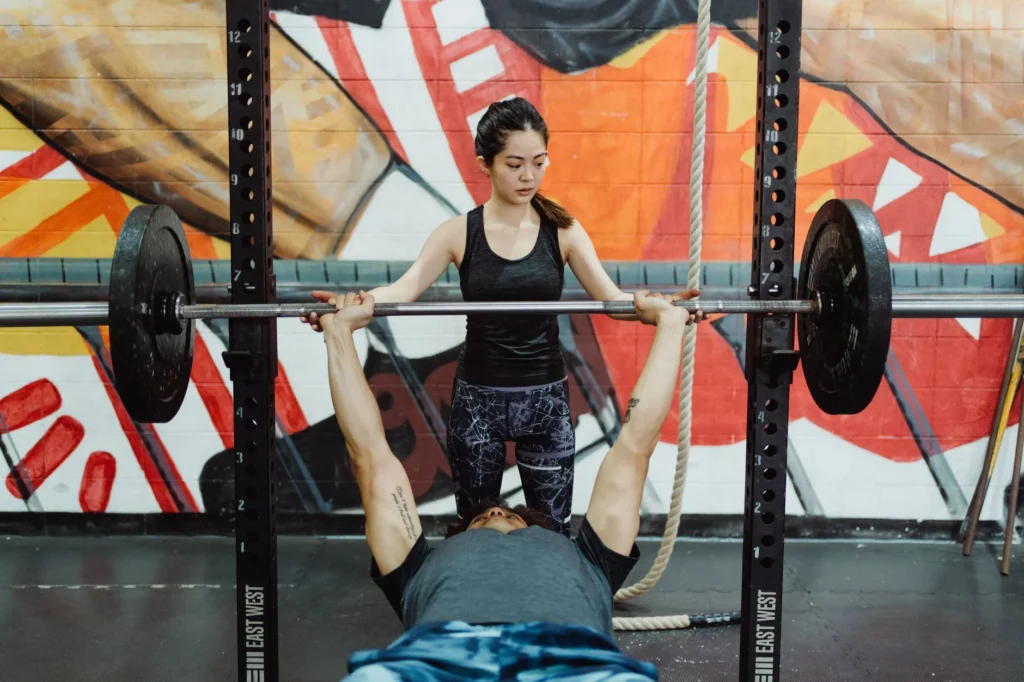
Several factors will continue to shape personal training prices in 2026. A trainer’s level of experience and their specific certifications play a significant role. Highly credentialed trainers with a proven track record of client success can command higher rates, especially if they specialize in niche areas like corrective exercise or elite athletic performance.
Location also matters immensely. Trainers in major metropolitan areas with high living costs will naturally charge more than those in smaller towns. Furthermore, the type of service—whether it’s one-on-one in-person training, virtual coaching, or group sessions—directly impacts the price point. Virtual options typically offer more competitive pricing due to lower overhead for the trainer, while private, in-home training usually comes with a premium.
Making the Right Investment
When comparing personal trainer rates for 2026, it’s easy to fall into the trap of simply picking the lowest hourly rate. A common mistake is overlooking the overall value: Does the trainer’s philosophy align with your goals? Do they offer nutritional guidance or accountability beyond just the session? Sometimes, a slightly higher investment in a more experienced or specialized trainer can lead to faster, more sustainable results, saving you money in the long run by avoiding ineffective programs.
Consider package deals. Most trainers offer discounts for purchasing multiple sessions upfront. Don’t be afraid to ask about these options during your initial consultation. It’s also wise to check if their pricing structure includes extras like progress tracking, custom workout plans for non-session days, or dietary advice.
Frequently Asked Questions (FAQ)
Can I negotiate personal trainer rates in 2026?
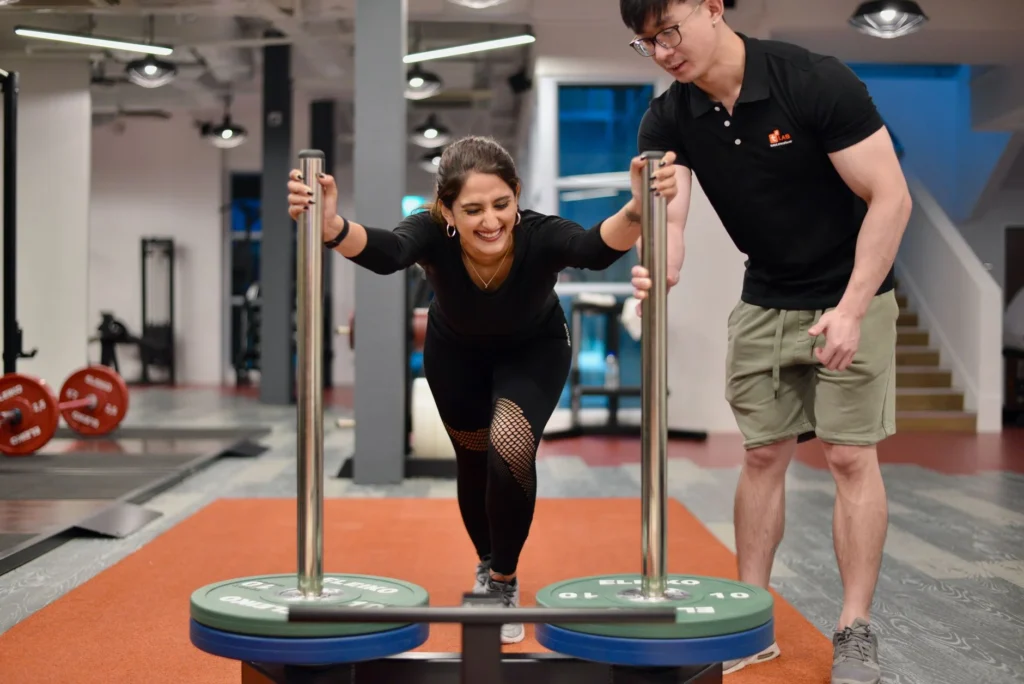
While not always possible, some trainers or gyms might be open to negotiation, especially for long-term commitments or if you’re willing to work during off-peak hours. It never hurts to politely inquire about flexibility, particularly for larger packages. However, respect that a trainer’s rates reflect their expertise and time.
Are virtual trainers cheaper in 2026?
Generally, yes. Virtual personal training often comes at a lower price point compared to in-person sessions. This is primarily due to reduced overhead costs for the trainer (no gym rental fees, less travel time) and the ability to serve clients across different geographical areas. However, highly sought-after virtual trainers with niche expertise might still charge premium rates.
Images sourced from Pexels.