
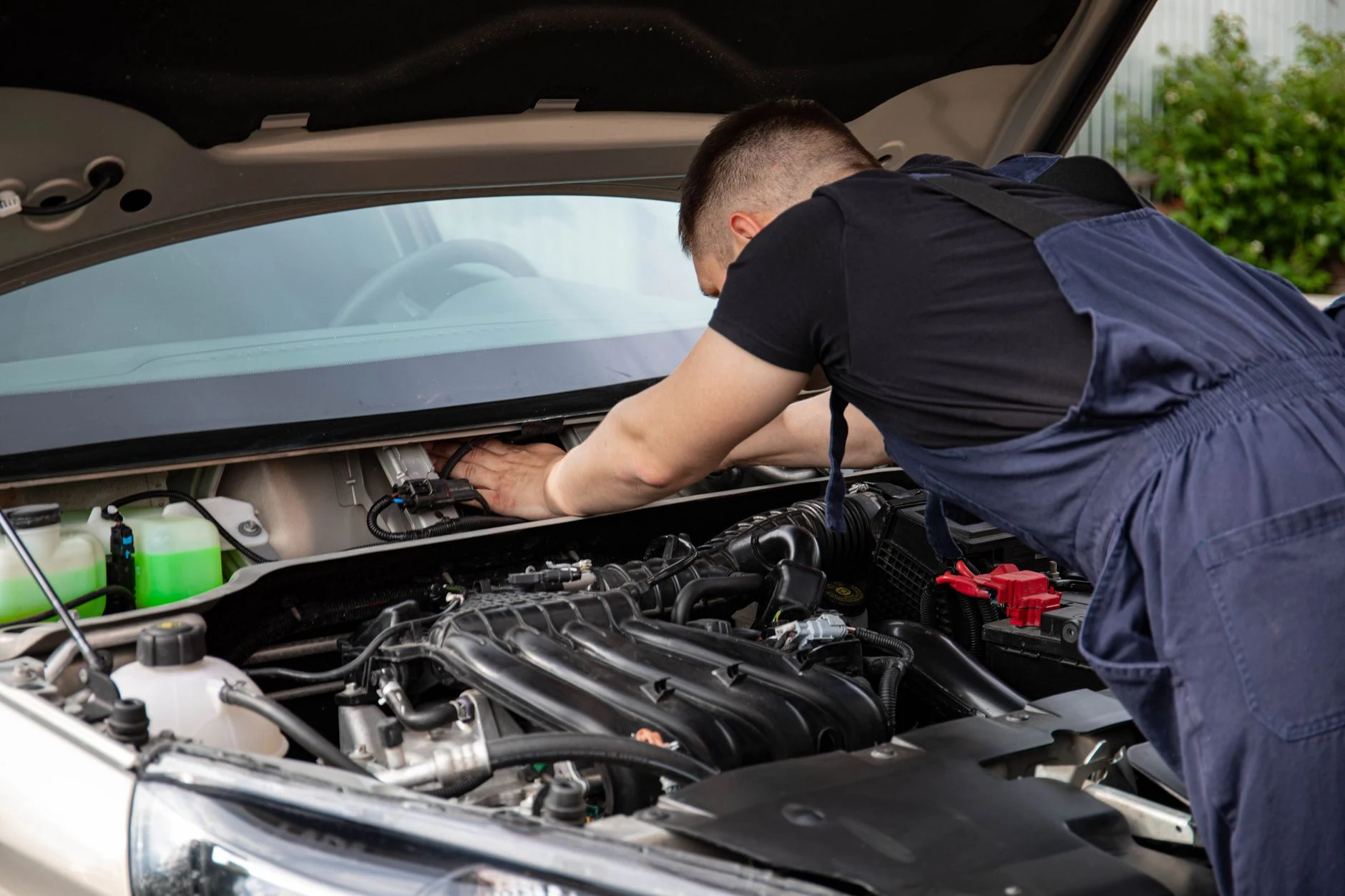
Current Engine Replacement Costs: What to Expect Today
Facing an engine replacement can feel like a punch to the gut. It’s one of the most significant repairs a vehicle owner might ever encounter, and the cost can be daunting. But understanding what goes into that final bill can help you make a more informed decision for your vehicle’s future.
Many factors play into the total price, from the type of engine you choose to your mechanic’s labor rates. We’ll break down the current expected costs, offering transparency so you know what questions to ask and what to look for when your vehicle needs such a critical overhaul.
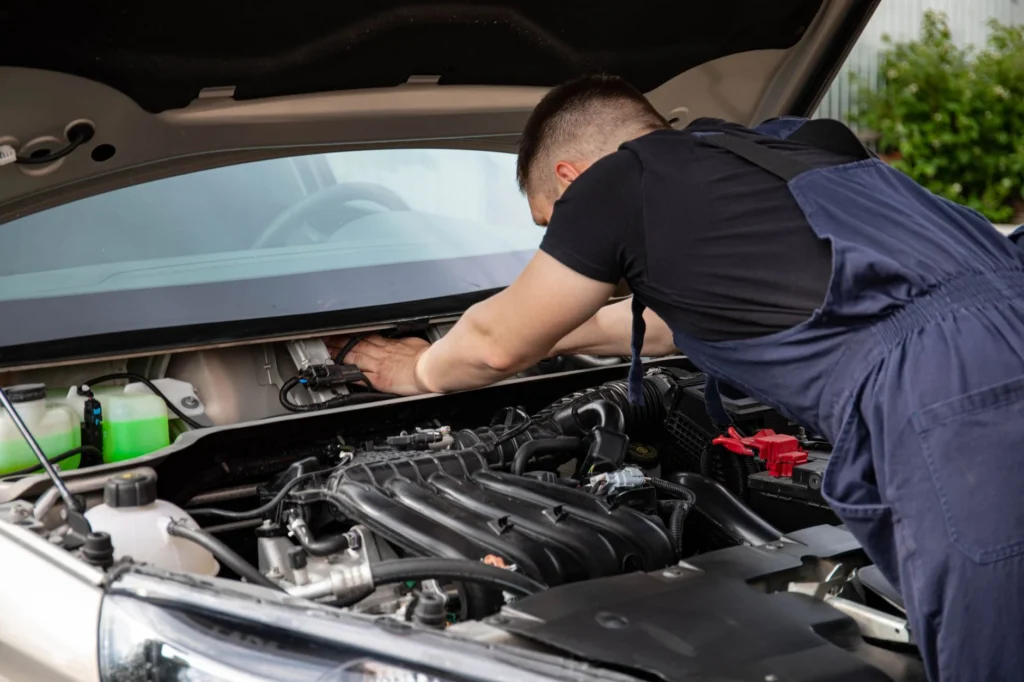
Current Engine Replacement Price Table
| Item/Service | Estimated Range (USD) | Notes | |
|---|---|---|---|
| ⚙️ | Remanufactured Engine Unit | $3,000 – $6,000 | Popular choice; rebuilt to factory specs with new parts. Often includes a comprehensive warranty. |
| ♻️ | Used Engine Unit | $1,500 – $4,000 | Pulled from another vehicle; mileage and condition vary. Crucial to buy from a reputable salvage yard with a warranty. |
| 🛠️ | Labor (30-50 hours) | $2,500 – $5,000 | Rates vary by region and shop; complex jobs (like luxury or performance cars) take longer. |
| 🛢️ | Fluids & Filters | $200 – $400 | New oil, coolant, power steering fluid, fuel filter, oil filter. |
| 🔩 | Gaskets & Seals Kit | $150 – $350 | Essential for a leak-free and durable installation. |
| 💻 | Diagnostics & Programming | $100 – $300 | To ensure proper function, integrate with vehicle’s computer, and clear codes. |
| 📦 | Miscellaneous Supplies | $50 – $150 | Shop rags, cleaners, disposal fees, small hardware. |
| TOTAL (Estimated) | $7,500 – $16,200 | Disclaimer: Prices vary significantly based on vehicle make/model, engine type, shop, and region. Always get multiple quotes. |
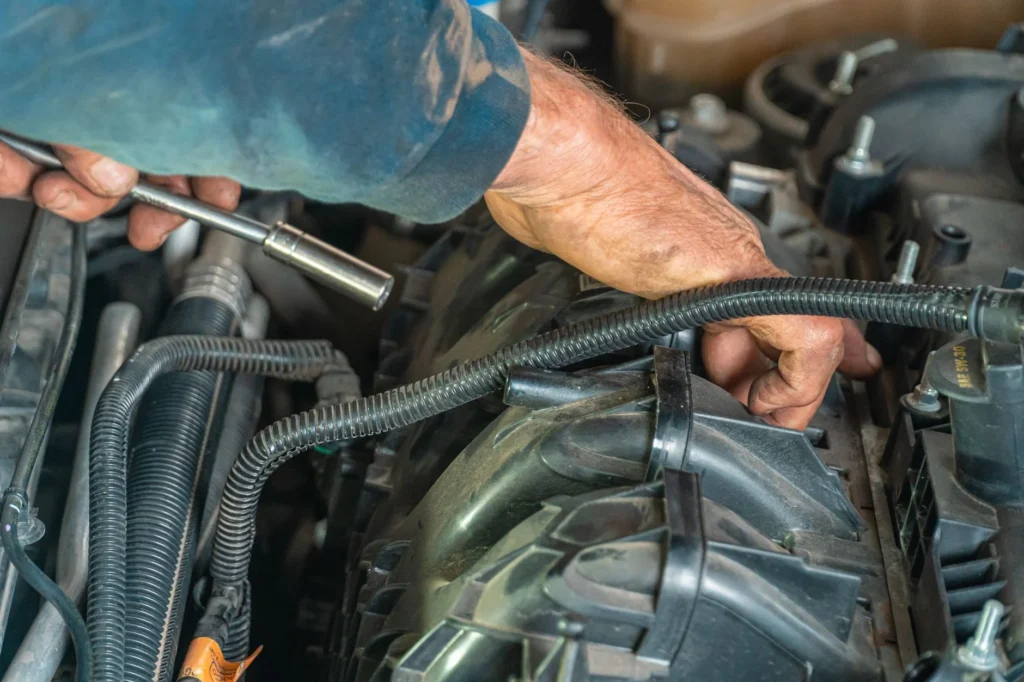
Factors Driving Engine Replacement Costs
The numbers above are ranges for a reason. Your vehicle’s make and model play a huge role — a common four-cylinder engine for a sedan will cost less than a V8 for a luxury SUV. Labor rates differ significantly between independent mechanics and dealership service centers, and even between regions. A shop in a major city often charges more per hour than one in a rural area. Also, whether you opt for a remanufactured unit with a long warranty or a cheaper, high-mileage used engine will dramatically impact your bottom line.
Repair vs. Replace: Making the Right Call
Deciding between repairing your existing engine and replacing it entirely is a critical choice. Generally, if the damage is minor (e.g., a single piston, head gasket issues), a repair might be more economical. However, if there’s extensive damage — like a seized engine, cracked block, or catastrophic internal failure — replacement often makes more sense in the long run. A common mistake people make is pouring money into minor repairs on a fundamentally failing engine, only to face replacement costs later anyway. Get a thorough diagnostic before committing to either path.
Tips for Managing Replacement Expenses
Don’t jump at the first quote you receive. Always get estimates from at least three different reputable mechanics or shops. Be sure to ask what kind of warranty comes with the engine (especially if it’s remanufactured or used) and the labor. While saving money is important, remember that the cheapest option isn’t always the best; quality parts and experienced labor are crucial for a reliable replacement. Another practical tip: verify if the quoted engine unit is truly “new,” “remanufactured,” or “used” – some terms can be ambiguous, so ask for clarification and documentation.
Frequently Asked Questions
How long does an engine replacement typically take?
Expect your vehicle to be in the shop for anywhere from 3 to 7 business days, depending on the complexity of the job, parts availability, and the shop’s schedule.
Does a replaced engine come with a warranty?
Most reputable shops and engine suppliers (especially for remanufactured units) offer a warranty, usually 1-3 years or 12,000-36,000 miles. Always clarify the terms and conditions for both the engine unit and the labor.
Is it always better to buy a new engine over a used one?
Not necessarily. A high-quality, low-mileage used engine from a trusted source can be a cost-effective solution, especially for older vehicles where the car’s value doesn’t justify a new or remanufactured unit. The key is verification of its condition and a good warranty.
Images sourced from Pexels.