Real Cost of HVAC Installation 2026: An Updated Guide
Upgrading or replacing your home’s heating, ventilation, and air conditioning (HVAC) system is a significant investment for 2026, directly impacting your comfort, indoor air quality, and energy bills. As technology advances and efficiency standards evolve, understanding the true financial commitment is more crucial than ever.
This guide offers a clear breakdown of what you can expect to pay for a new HVAC system installation in 2026. Keep in mind that prices can fluctuate based on system type, home specifics, regional labor rates, and your chosen provider, but these ranges will help you budget wisely for a future-proof home.
Estimated HVAC Installation Costs (2026)
| Item/Service | Estimated Range (USD) | Notes | |
|---|---|---|---|
| ✨ | HVAC Unit (Furnace, AC, or Heat Pump) | $3,500 – $12,000 | Varies significantly by type (central AC, furnace, heat pump), brand, efficiency (SEER, AFUE), and size. High-efficiency heat pumps often on the higher end. |
| 🛠️ | Ductwork Installation/Modification | $1,500 – $5,000 | Cost depends on whether new ducts are needed, existing ducts require extensive repair or replacement, or if zoning is added. |
| 👷 | Installation Labor | $2,000 – $6,000 | Includes removal of old system, installation of new unit(s), refrigerant lines, electrical work, and thermostat setup. Varies by job complexity and local rates. |
| 📄 | Permits & Inspections | $75 – $500 | Required by local municipalities to ensure safety and code compliance. Costs vary by jurisdiction. |
| 🌡️ | Thermostat (Smart/Programmable) | $150 – $600 | A basic programmable thermostat is included; smart, Wi-Fi-enabled models with advanced features add to the cost. |
| ♻️ | Old System Removal & Disposal | $150 – $500 | Safe and compliant removal of refrigerants and old equipment. |
| ➕ | Ancillary Services / Upgrades | $500 – $2,500 | Includes air purification systems, humidifiers, zoning controls, surge protectors, or additional safety features. |
| 💲 | TOTAL | $7,875 – $27,100 | This range reflects the combined minimums and maximums across various scenarios. Your specific cost will fall within this spectrum based on your choices and home needs. |
Disclaimer: These are estimated ranges for 2026. Actual costs will vary widely based on your geographic location, the specific HVAC contractor, the size and complexity of your home, and the efficiency ratings of the chosen equipment. Always obtain multiple detailed quotes.
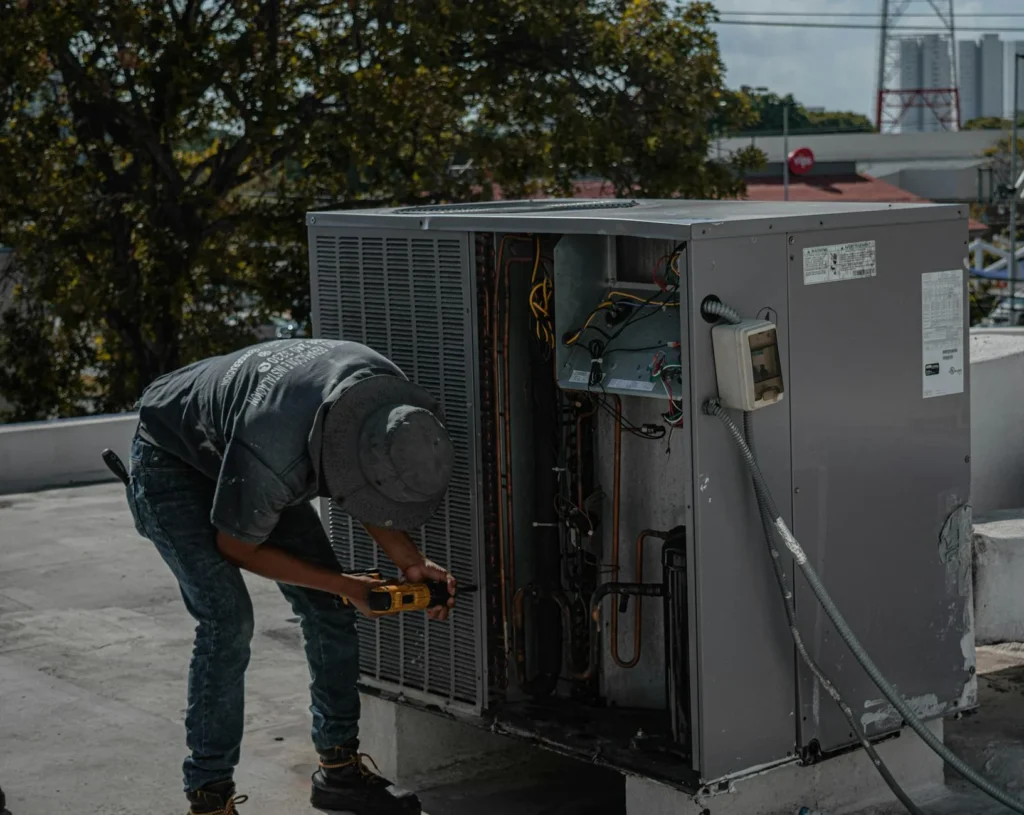
Key Factors Influencing Your HVAC Bill
Understanding what drives the cost helps you make informed decisions. The primary differentiator is often the type of system you choose – a basic central AC and furnace combination will differ greatly from a high-efficiency geothermal heat pump. Your home’s size and existing infrastructure play a massive role; a larger home needing extensive new ductwork will naturally cost more than a small home with a straightforward swap. Also, remember that installer reputation and warranty offerings might reflect in the price, but often come with peace of mind. Many homeowners make the mistake of choosing the cheapest bid, only to face higher energy bills or costly repairs down the line due to improper installation.
Making Smart Choices in 2026
With energy costs a constant concern, focus on efficiency. High-SEER (Seasonal Energy Efficiency Ratio) air conditioners and high-AFUE (Annual Fuel Utilization Efficiency) furnaces might have a higher upfront cost, but their long-term savings can be substantial. Consider investing in a smart thermostat for optimal control and energy management. Before you even get quotes, consider an energy audit for your home; it can pinpoint areas of heat loss or gain, ensuring your new HVAC system is properly sized. A system that’s too large will cycle on and off frequently, wasting energy and causing uneven temperatures, while one that’s too small will struggle to keep up. Proper sizing is a critical, yet often overlooked, detail.
Frequently Asked Questions
- How long does a typical HVAC installation take?
- Most standard HVAC installations take 1 to 3 days. More complex projects, like full ductwork overhauls or geothermal systems, can extend to 5 days or more.
- Are permits really necessary for HVAC installation?
- Absolutely. Most localities require permits for HVAC work to ensure the installation adheres to building codes, safety standards, and environmental regulations. Your contractor should handle this process.
- Can I save money by installing parts of the system myself?
- It’s generally not recommended for complex HVAC systems. Improper installation can lead to inefficient operation, voided warranties, safety hazards (especially with refrigerants and electrical components), and ultimately higher costs down the line. Professional installation is key for optimal performance and safety.
Images sourced from Pexels.