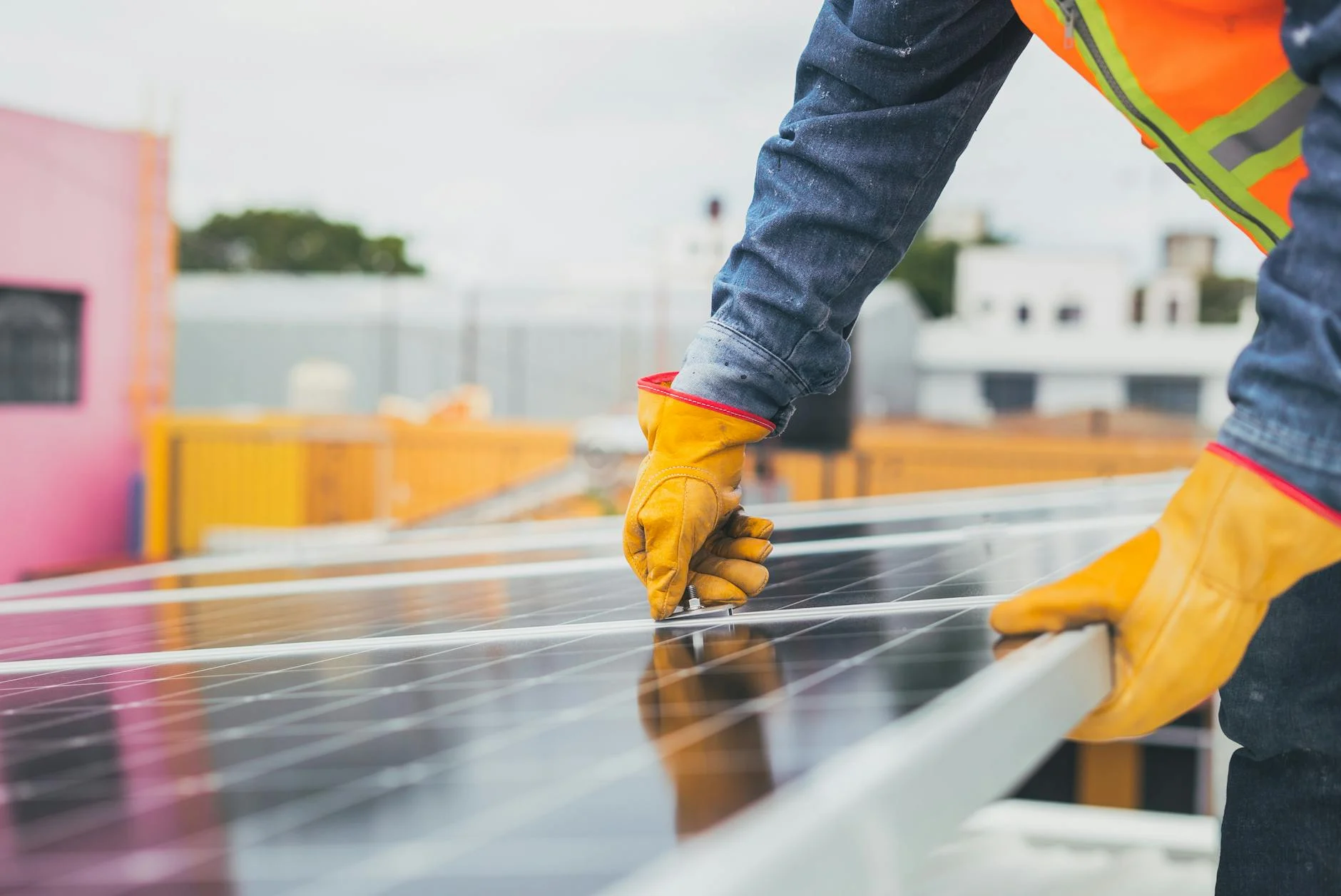
Solar Panel Installation: The Real Cost & ROI in 2026
Considering solar for your home in 2026? It’s a smart move. As energy prices continue their unpredictable dance, harnessing the sun’s power offers a tangible path to energy independence and significant long-term savings. The initial outlay can seem daunting, but breaking down the components reveals a clearer picture of what you’re actually paying for.
This isn’t just about slapping panels on a roof; it’s an investment in your property’s value and your financial future. We’re going to dive into the typical costs you can expect for a residential solar system this year, along with the factors that genuinely impact your return on investment. Let’s get down to the numbers.
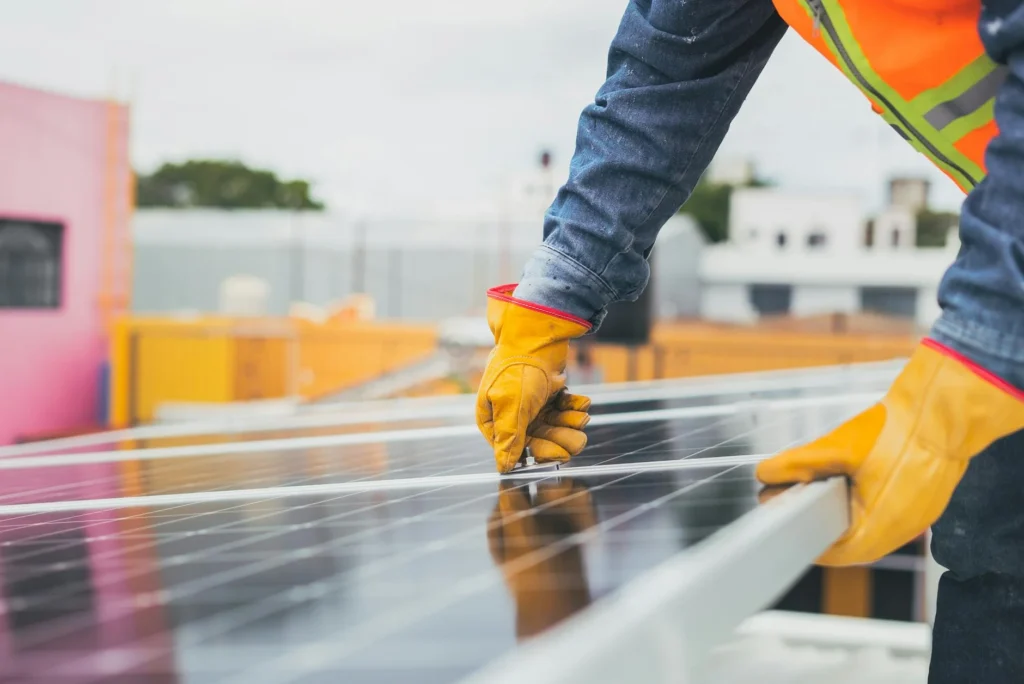
Price Table
| Item/Service | Estimated Range (USD) | Notes | |
|---|---|---|---|
| ☀️ | Solar Panels (per watt) | $0.45 – $0.65 | Depends on panel efficiency, brand, and warranty. Typically 6-12 kW systems for homes. |
| inverter | Inverter(s) | $1,500 – $4,500 | String inverters are cheaper; micro-inverters offer per-panel optimization at a higher cost. |
| rack | Mounting Hardware | $800 – $2,000 | Roof type (tile, shingle, metal) affects complexity and material cost. |
| ⚡ | Electrical Wiring & Components | $1,000 – $3,000 | Includes conduit, wiring, disconnects, and potentially main panel upgrades. |
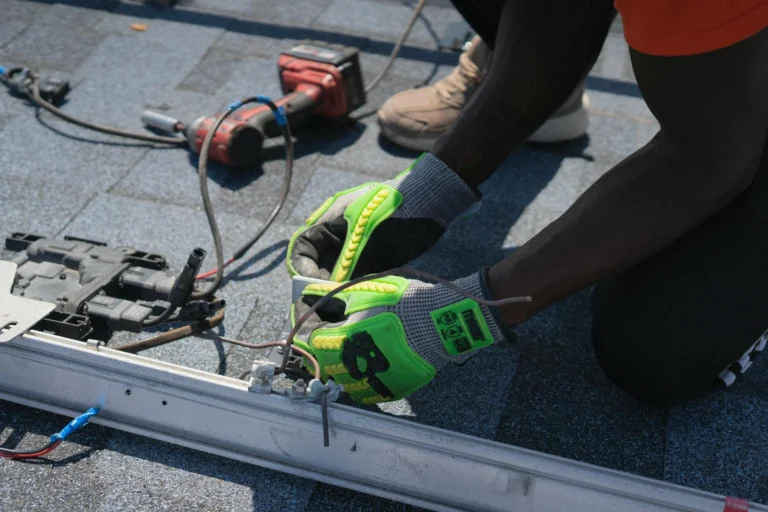
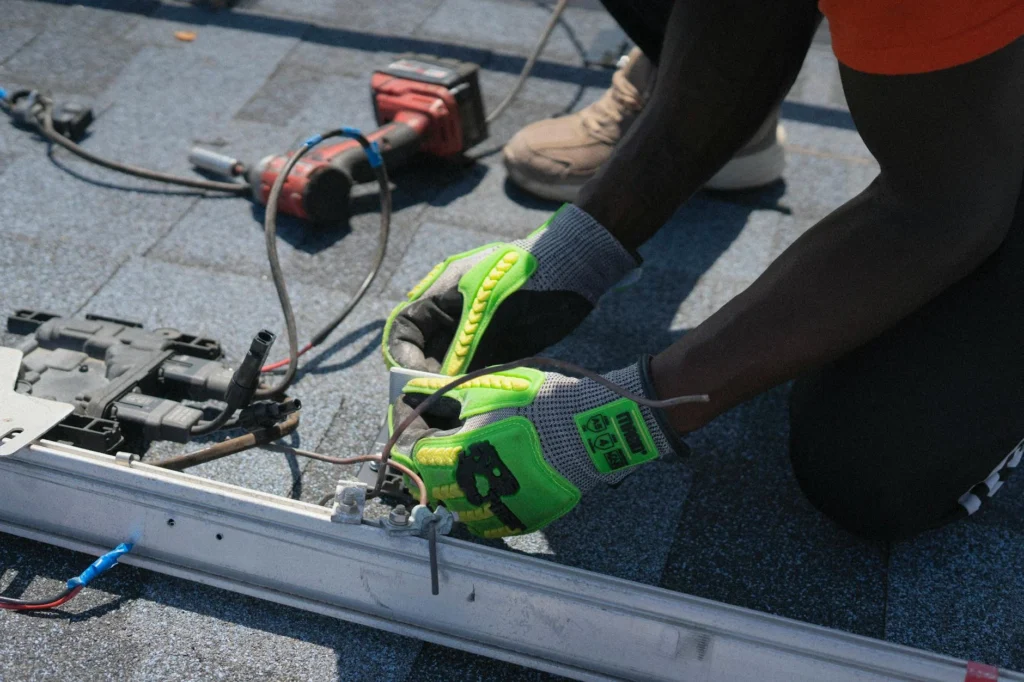
| 👷 | Installation Labor | $3,000 – $7,000 | Varies significantly by region, roof complexity, and installer reputation. Don’t skimp here. |
| 📜 | Permits & Inspections | $300 – $1,000 | Local municipality fees and required electrical/structural inspections. |
| 🗺️ | Design & Engineering | $500 – $1,500 | Custom system design for optimal sunlight exposure and structural integrity. |
| 🔋 | Battery Storage (Optional) | $7,000 – $15,000+ | For energy independence and backup during outages. Not included in total unless specified. |
| 🤝 | TOTAL (typical 6-8 kW system, before incentives) | $10,000 – $20,000 | Prices can vary widely based on system size, quality, region, and provider. |
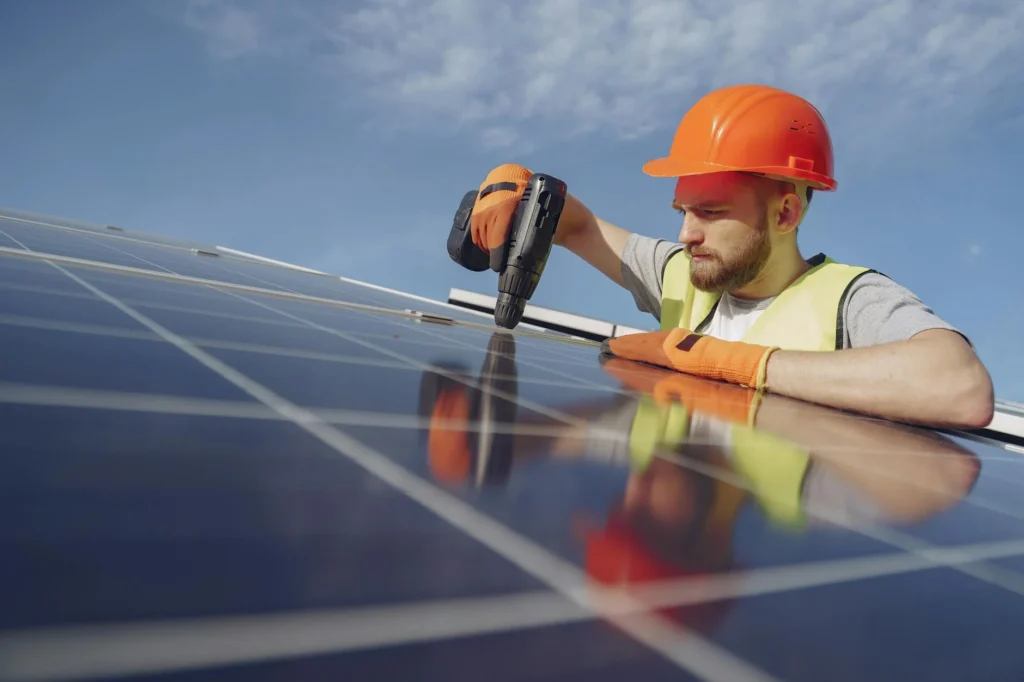
ROI Factors to Consider
Your return on investment isn’t just about the upfront cost. Key variables in 2026 include electricity rates in your area, available government incentives, and how much sun your roof actually gets. High electricity rates mean faster savings. Forgetting to factor in local solar rebates and federal tax credits is a common mistake that can drastically skew your perceived cost. Always check for those programs!
Maintenance and Longevity
Solar systems are largely maintenance-free, needing only occasional cleaning. Most panels come with a 25-year performance warranty, ensuring a long lifespan. However, inverter warranties are typically shorter (10-15 years), so budgeting for a potential replacement down the line is wise. These systems are built to last, providing decades of clean energy.
Resale Value Boost
Homes with owned (not leased) solar panels often see a significant boost in resale value. Buyers are increasingly looking for energy-efficient homes with lower utility bills, making solar a desirable feature. This added property value is a tangible part of your ROI, often overlooked in initial calculations.
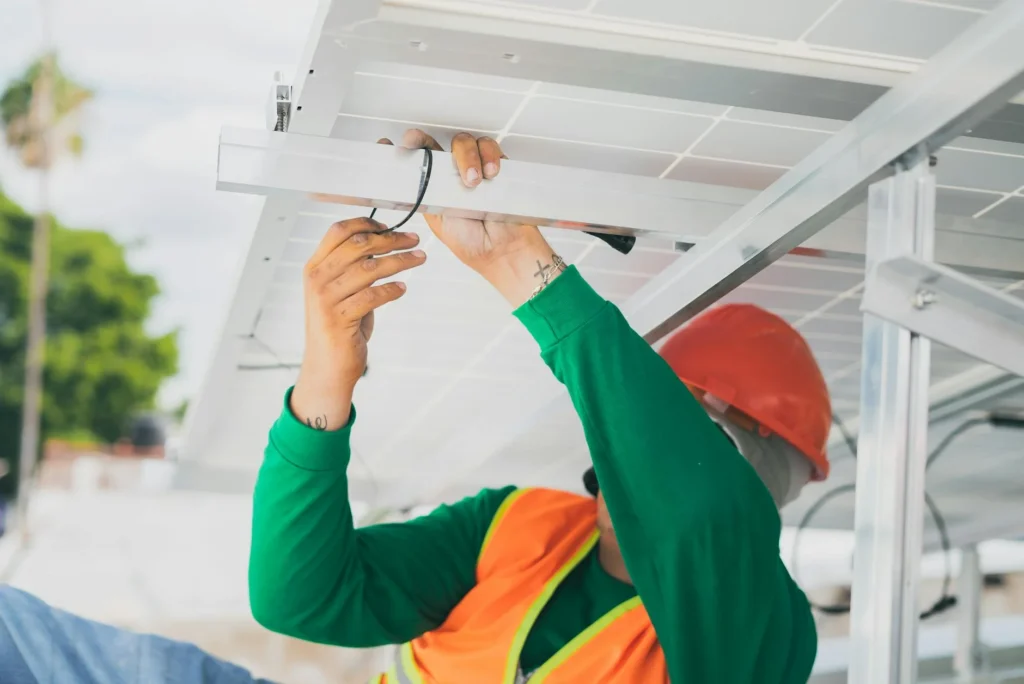
FAQ
- How long does solar installation take?
- Typically, the physical installation takes 1-3 days, but the entire process, including permits and utility approvals, can range from 1 to 3 months.
- Are there still incentives for solar in 2026?
- Yes, the federal Investment Tax Credit (ITC) for solar is still a significant benefit. Local and state incentives vary greatly by region, so check with your local energy office or a reputable installer.
- Can I go completely off-grid with solar?
- It’s possible, but for most residential setups, it’s more practical and cost-effective to remain connected to the grid, especially if you don’t invest in a large battery bank.
Images sourced from Pexels.