Tesla Battery Replacement Cost 2026: An Updated Breakdown
As we navigate 2026, the question of long-term electric vehicle ownership costs remains top of mind for many Tesla drivers. While battery technology continues to evolve, offering improved range and efficiency, the eventual need for a battery replacement is an important consideration for any EV owner planning for the years ahead.
Understanding the potential expenses involved in a battery swap helps ensure you’re financially prepared, regardless of your Tesla model. Prices can fluctuate significantly based on various factors, including the specific battery pack, regional labor rates, and whether your vehicle is still under warranty. Let’s dive into what you can expect.
Price Table
Disclaimer: The estimated ranges below are based on anticipated 2026 market conditions and averages. Actual costs will vary significantly depending on the specific Tesla model, battery capacity, service provider (authorized Tesla service vs. certified third-party specialists), regional economic factors, and any applicable warranties or service plans.
| Item/Service | Estimated Range (USD) | Notes | |
|---|---|---|---|
| 🔋 | Tesla Model 3/Y Battery Pack | $8,000 – $15,000 | Smaller capacity packs generally fall on the lower end. |
| 🔋 | Tesla Model S/X Battery Pack | $12,000 – $20,000 | Larger capacity packs and performance variants tend to be higher. |
| 🛠️ | Labor (Installation & Programming) | $700 – $2,500 | Varies by service center hourly rates and complexity of the swap. |
| 🔎 | Diagnostics & Software Updates | $200 – $500 | Ensures new battery integrates seamlessly with vehicle systems. |
| ♻️ | Battery Recycling & Disposal Fee | $300 – $700 | Environmental fee for safe disposal of the old battery. |
| 🚗 | Loaner Vehicle (Optional) | $0 – $400 | Cost if not covered by warranty or service agreement during repair duration. |
| TOTAL (Model 3/Y) | $9,200 – $19,100 | Estimated total, excluding any potential warranty coverage. | |
| TOTAL (Model S/X) | $13,200 – $24,100 | Estimated total, excluding any potential warranty coverage. |
Factors Influencing Your Total Cost
Several variables can significantly impact the final bill for a Tesla battery replacement in 2026. The most crucial is your car’s specific model and its battery capacity – larger, higher-performance batteries naturally command a higher price. Labor rates also differ by region and whether you opt for an authorized Tesla service center or an independent specialist. One common mistake people make is not checking their warranty status before seeking a quote; always verify if your battery degradation or failure is still covered.
Regional differences in taxation and environmental fees can also nudge the price up or down. Furthermore, if your vehicle requires additional repairs or software updates beyond the battery swap, those will add to the overall expense. Always ask for a detailed estimate that breaks down parts, labor, and any supplementary charges.
Extending Your Tesla Battery Life
While eventual replacement is inevitable, responsible ownership can significantly extend your battery’s lifespan. Adopting smart charging habits, such as avoiding frequent charges to 100% or letting the battery drop to near zero, can make a difference. Tesla recommends charging to around 80-90% for daily use. Extreme temperatures, both hot and cold, also put stress on the battery, so parking in shaded areas or garages can help. Timely software updates from Tesla often include battery management optimizations, so don’t ignore those notifications.
Proactive maintenance and listening to your car’s warning signs can also prevent premature battery wear. Addressing minor issues early on can sometimes prevent them from escalating into more significant, costly problems down the line.
Is Third-Party Replacement a Viable Option in 2026?
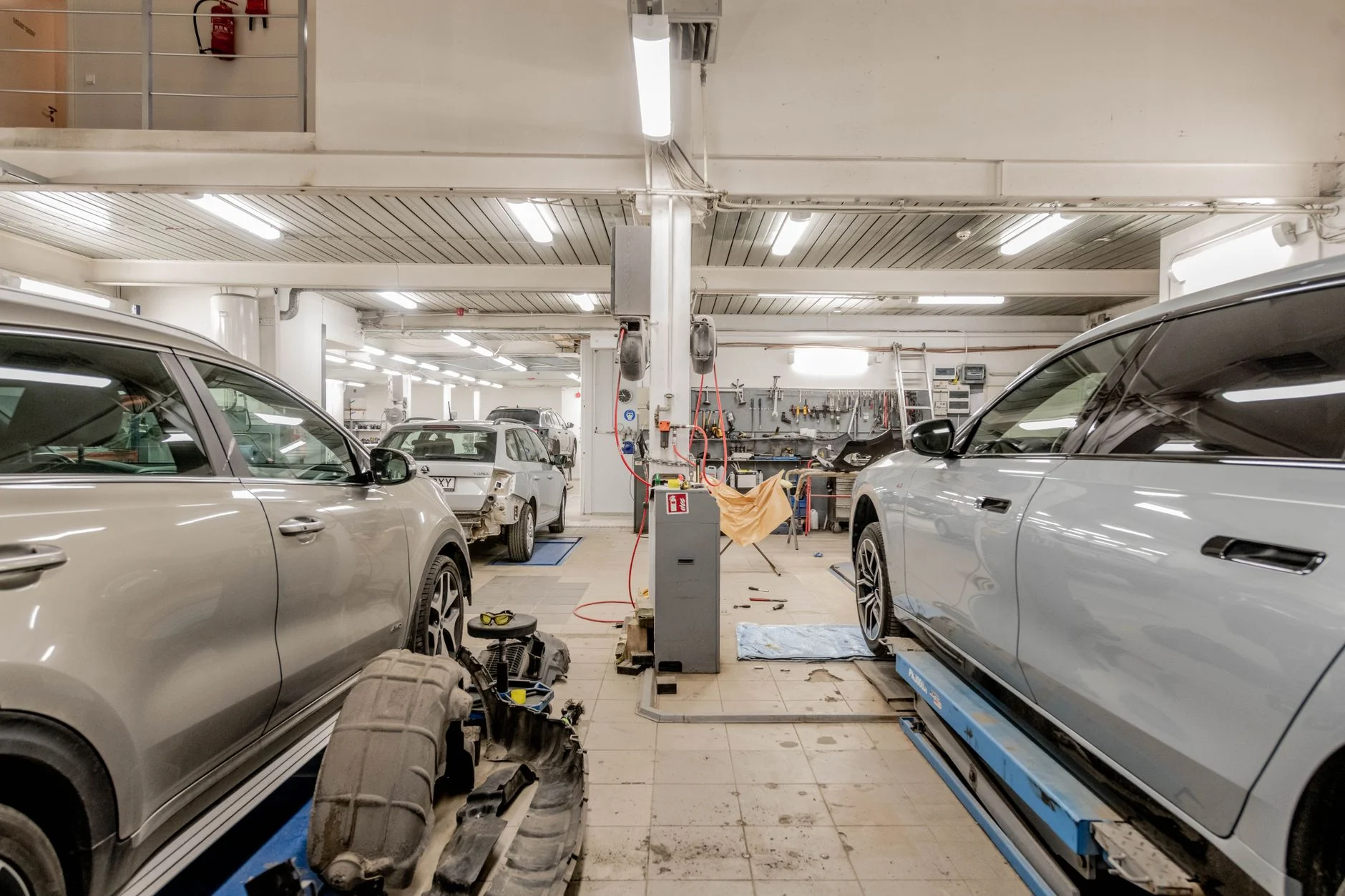
By 2026, the landscape for EV repair, including Tesla battery services, is expected to be more diverse. While Tesla’s official service network remains the primary choice for many, a growing number of certified independent garages specialize in EV maintenance. These third-party options can sometimes offer more competitive pricing for battery replacement or repair, especially if your vehicle is out of warranty.
However, it’s crucial to exercise caution. Ensure any third-party provider is highly reputable, uses genuine or high-quality aftermarket parts, and has technicians specifically trained in high-voltage EV systems. While potential cost savings are attractive, compromising on quality or expertise could lead to further issues or even void remaining warranties on other vehicle components. Always research and compare.
Frequently Asked Questions
How long do Tesla batteries typically last?
Most Tesla batteries are designed to last between 300,000 and 500,000 miles, or 10 to 20 years, before significant degradation requires replacement. Performance can vary based on driving habits, charging routines, and environmental factors.
Is battery replacement covered under warranty?
Tesla typically offers an 8-year or 100,000-150,000-mile warranty (whichever comes first) on its batteries, guaranteeing a minimum retention of 70% battery capacity. If your battery fails or degrades beyond this threshold within the warranty period due to manufacturing defects, replacement is usually covered.
Can individual battery modules be replaced instead of the entire pack?
While technically possible in some battery architectures, Tesla’s design often makes individual module replacement a complex and less common repair for general degradation. It’s more typically done for specific fault isolation rather than a full capacity restoration, with Tesla often preferring full pack swaps or remanufactured packs for efficiency and reliability.
Images sourced from Pexels.