Solar Panel Installation Cost 2026: What Are Today’s Rates?
Considering solar for your home in 2026? It’s a smart move, especially with energy prices remaining volatile and a greater focus on sustainable living. The upfront investment in a solar photovoltaic (PV) system can seem significant, but understanding the breakdown of expenses is key to making an informed decision and maximizing your long-term savings.
Today, the landscape for residential solar installations is more mature than ever. Advancements in panel efficiency, inverter technology, and battery storage options mean systems are more powerful and reliable. However, regional factors, provider choices, and specific system configurations will always play a substantial role in your final bill. Let’s delve into what you can expect to pay for a complete solar setup this year.
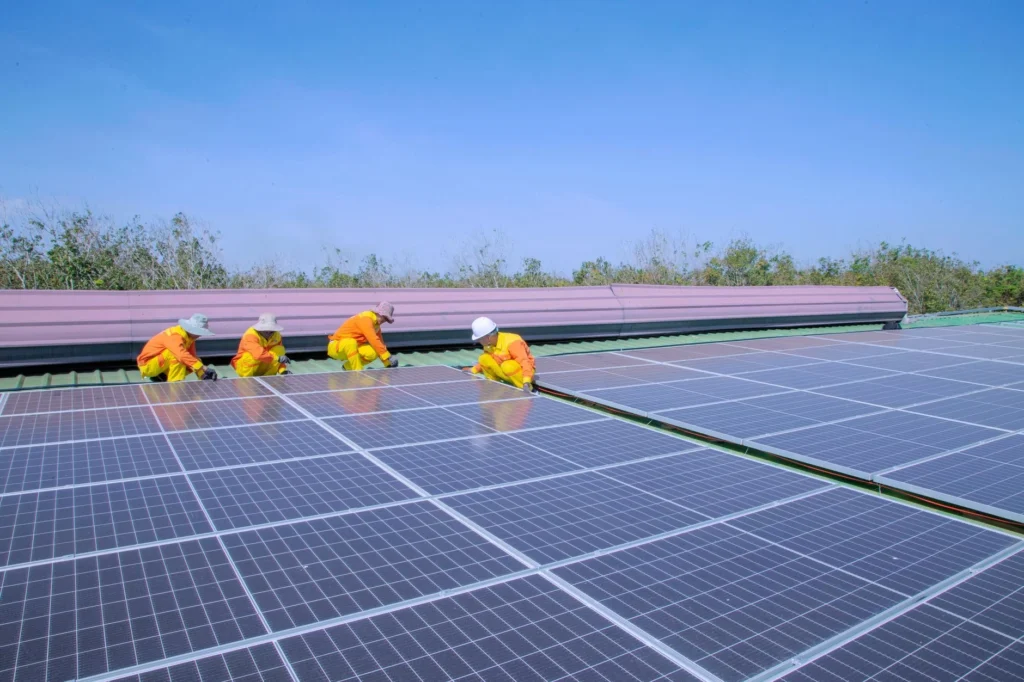
Price Table
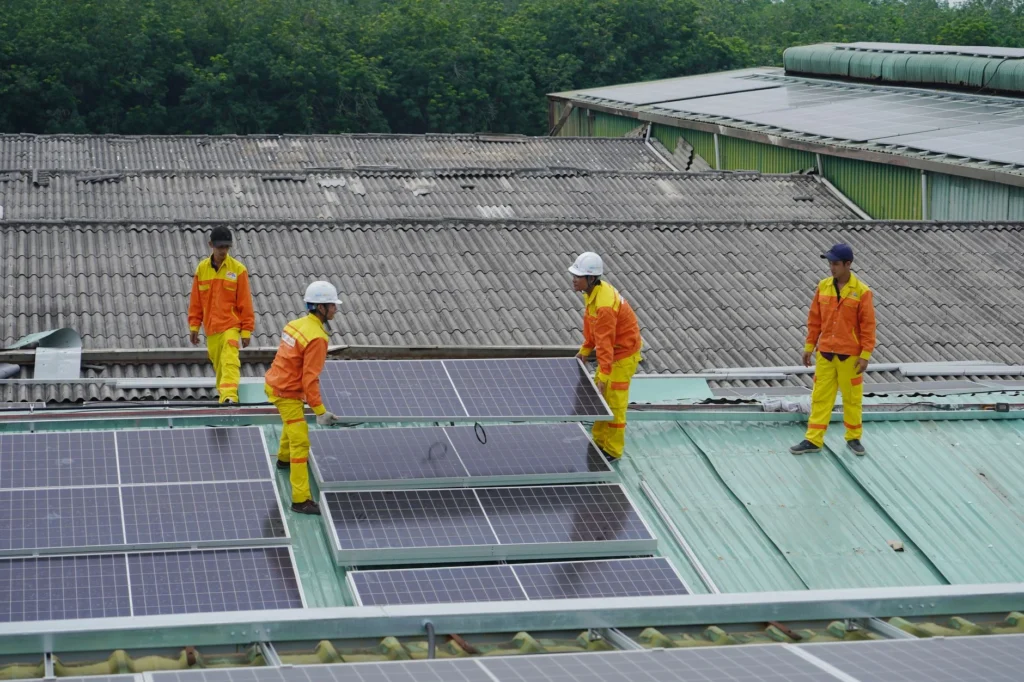
Note: These ranges are estimates for an average 6-10 kW residential system in 2026. Actual costs vary significantly based on location, system size, chosen equipment quality, and installer.
| Item/Service | Estimated Range (USD) | Notes | |
|---|---|---|---|
| ☀️ | Solar Panels (PV Modules) | $8,000 – $20,000 | Includes the panels themselves; price varies by efficiency and brand. |
| 🔌 | Inverter(s) | $1,500 – $4,000 | Converts DC power to AC; central inverters or micro-inverters. |
| 🏗️ | Mounting & Racking Hardware | $1,000 – $3,000 | Secures panels to the roof or ground array. |
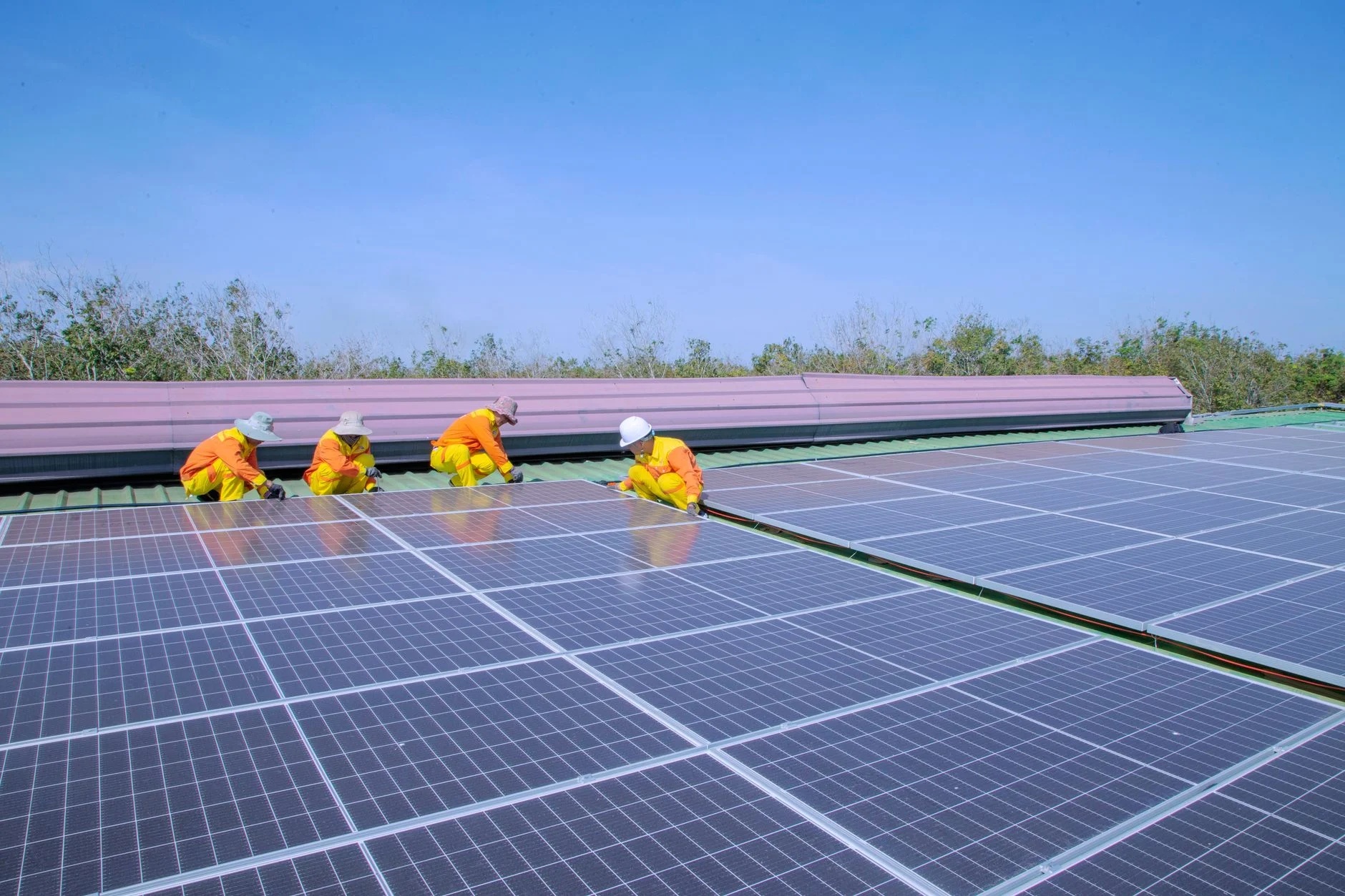
| 👷 | Labor & Installation | $3,000 – $8,000 | Professional installation, wiring, and system setup. |
| 📜 | Permits & Inspections | $500 – $2,000 | Required by local municipalities; can include design fees. |
| 🔋 | Battery Storage (Optional) | $8,000 – $25,000 | For energy independence and backup power. Highly variable by capacity. |
| ⚡ | Electrical Upgrades (If Needed) | $500 – $3,000+ | Could include main panel upgrades or wiring modifications. |
| TOTAL (Without Battery) | $14,000 – $37,000 | ||
| TOTAL (With Average Battery) | $22,000 – $62,000 |
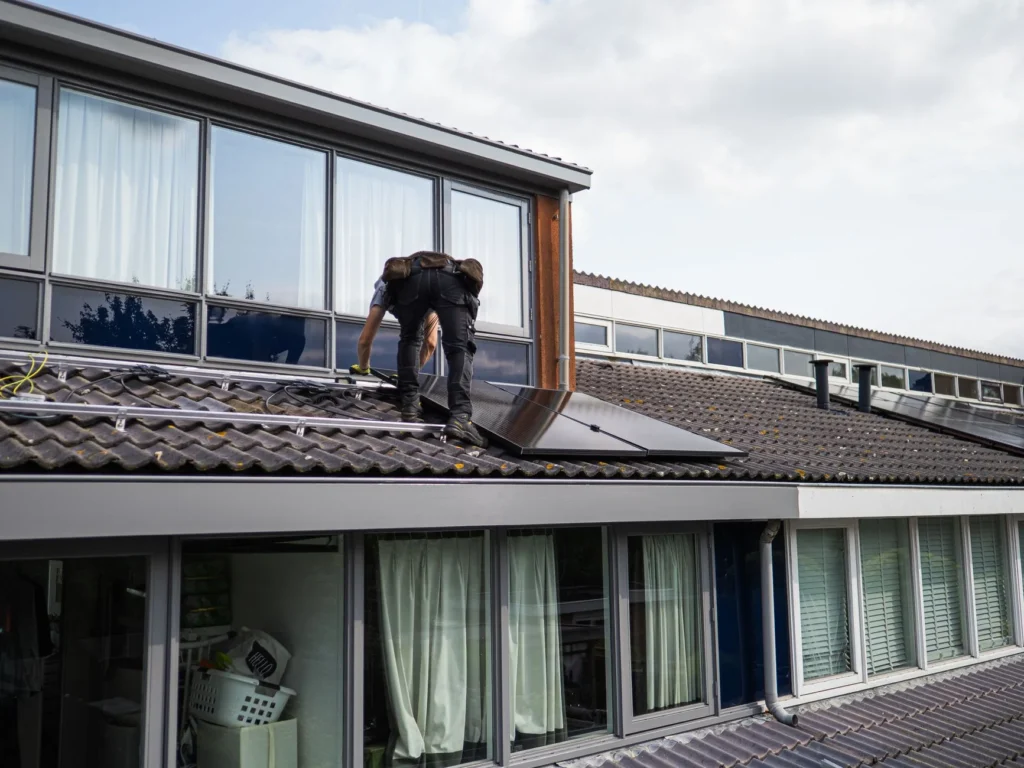
Key Factors Influencing Your Solar Costs
Beyond the raw equipment prices, several elements can sway your total investment. The size of your system, measured in kilowatts (kW), is paramount. A larger home or higher energy consumption demands more panels, increasing costs. Also, the type of panels – monocrystalline, polycrystalline, or thin-film – each comes with its own price point and efficiency rating.
One common oversight is neglecting potential roof repairs or electrical panel upgrades. Ensure your roof is in excellent condition before installation; repairing it afterward means uninstalling and reinstalling panels, which adds significant expense. Similarly, an older electrical panel might need an upgrade to handle the new solar input.
Despite the upfront cost, various incentives significantly reduce the net price of solar. The federal solar tax credit, for instance, remains a strong motivator, offering a percentage back on your total system cost. Many states, counties, and even local utilities also offer their own rebates, property tax exemptions, or performance-based incentives. It’s crucial to research what’s available in your specific area for 2026, as these programs are subject to change and can dramatically impact your return on investment.
Choosing the Right Solar Installer
Don’t just chase the lowest bid; the quality of your installer is paramount. A reputable company offers strong warranties on their work, provides transparent contracts, and assists with navigating permits and incentives. Look for installers with a proven track record, positive customer reviews, and proper licensing and insurance. A poorly installed system can lead to inefficiencies, damage, and costly repairs down the line.
FAQs About 2026 Solar Installation
How long does a typical solar panel installation take?
From contract signing to system activation, the entire process can take anywhere from 1 to 3 months. The physical installation on your roof usually only takes 1-3 days, but permitting, inspections, and utility interconnection can add weeks to the timeline.
Do solar panels work on cloudy days?
Yes, solar panels still produce electricity on cloudy days, though at a reduced efficiency compared to full sun. Modern panels are designed to capture diffuse light effectively.
What’s the lifespan of a solar panel system?
Most solar panels come with performance warranties of 20-25 years, guaranteeing a certain output level. The actual physical lifespan can often exceed 30 years, with inverters typically needing replacement once or twice within that period.
Images sourced from Pexels.