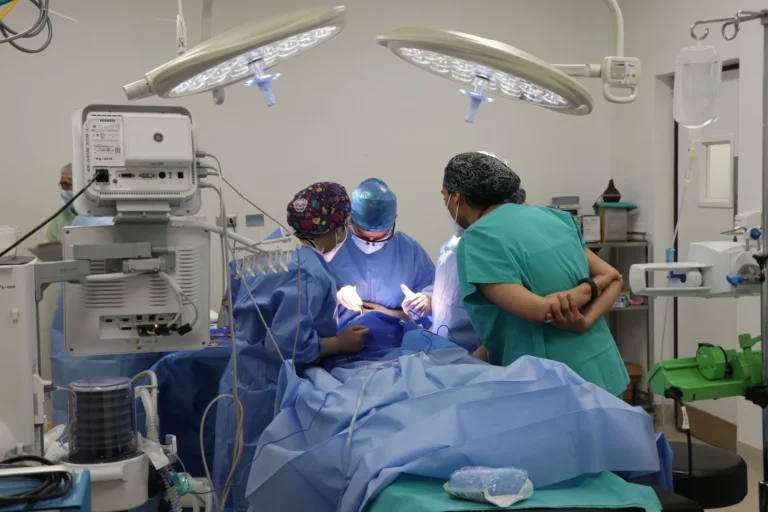

Cataract Surgery: Expected Costs and What to Plan For in 2026
If you’re noticing vision blurriness, glare sensitivity, or colors that seem faded, cataracts might be the culprit. By 2026, cataract surgery remains one of the most common and successful medical procedures, restoring clarity and improving quality of life for millions.
While the prospect of clearer vision is exciting, understanding the financial landscape of cataract surgery is a crucial step in your planning. This guide will help you navigate the anticipated expenses in 2026, so you can make informed decisions about your eye health and budget.

Price Table: Estimated Cataract Surgery Costs in 2026
Please note: These ranges are estimates for 2026 and can vary significantly based on your geographic location, the surgeon’s experience, the facility chosen, and the specific type of intraocular lens (IOL) you select. Always obtain a detailed, personalized quote from your chosen provider.
| Item/Service | Estimated Range (USD) | Notes | |
|---|---|---|---|
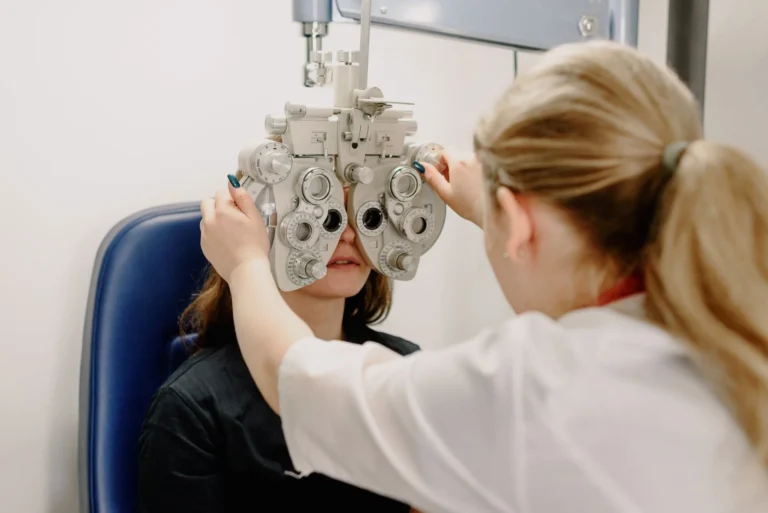
| 👁️ | Initial Comprehensive Consultation & Pre-Op Exams | $250 – $600 | Includes eye measurements, health assessment. May or may not be covered by insurance if separate from surgery. |
| 🔪 | Standard Monofocal IOL Surgery (per eye) | $3,500 – $7,000 | Covers surgeon’s fee, basic monofocal lens, facility fee, and anesthesia for routine cases. |
| 💎 | Premium IOL Upgrade (e.g., Toric, Multifocal, Extended Depth of Focus) | $1,800 – $4,500 (additional per eye) | Additional cost for lenses correcting astigmatism, presbyopia, or offering wider vision range. Often not covered by standard insurance. |
| 💉 | Anesthesia Services | $600 – $1,800 | Usually local anesthesia with sedation. Often bundled, but can be a separate charge. |
| 🏥 | Facility Fees (Ambulatory Surgery Center/Hospital) | $1,200 – $3,500 | Covers operating room, equipment, nursing staff. Often bundled with surgeon’s fee for standard surgery. |
| 💊 | Post-Operative Medications (Eye Drops) | $75 – $250 | Anti-inflammatory and antibiotic drops needed for several weeks post-surgery. |
| 🗓️ | Post-Operative Follow-Up Appointments | $400 – $900 | Typically includes 1-3 visits in the first few weeks to monitor healing. Often bundled into the overall surgery package. |
| TOTAL (per eye, for basic standard surgery) | $5,000 – $13,000 | This range includes all typical components for a standard monofocal lens. Premium lenses add extra cost. |

Factors Influencing Your Cataract Surgery Cost in 2026
Several variables can sway the final price tag for your cataract surgery. The most significant is your choice of intraocular lens (IOL). Standard monofocal lenses, which correct vision for one distance (usually far), are typically covered by insurance. However, if you opt for premium IOLs like toric lenses for astigmatism, multifocal lenses for both near and far vision, or extended depth of focus (EDOF) lenses, you’ll generally pay the difference out-of-pocket.
Another factor is the surgeon’s reputation and experience; highly sought-after ophthalmologists in metropolitan areas might have higher fees. The type of facility—a hospital operating room versus a dedicated ambulatory surgery center—can also affect costs. A common mistake people make is only comparing the base surgery price. Always get a comprehensive quote that details all pre-op, surgical, lens, anesthesia, and post-op care costs to avoid surprises.
For most medically necessary cataract surgeries with a standard monofocal lens, private insurance plans and government programs like Medicare are expected to cover a significant portion of the costs in 2026. However, it’s crucial to understand your specific policy’s deductibles, co-pays, and co-insurance. A common oversight is assuming your insurance will cover premium lens upgrades. Many plans only cover the ‘medically necessary’ standard lens, leaving you responsible for the additional cost of advanced IOLs.
For out-of-pocket expenses, consider utilizing Health Savings Accounts (HSAs) or Flexible Spending Accounts (FSAs) if you have them, as these funds are pre-tax. Many clinics also offer payment plans or financing options to help manage the cost over time. Always verify your coverage directly with your insurance provider and discuss payment plans with your eye care clinic’s financial counselor.

Frequently Asked Questions
Is cataract surgery covered by insurance in 2026?
Yes, standard cataract surgery with a monofocal lens is typically covered by most private insurance plans and Medicare as it’s considered medically necessary. However, the upgrade portion for premium lenses (like toric, multifocal, or EDOF IOLs) designed to reduce reliance on glasses for astigmatism or presbyopia is usually an out-of-pocket expense.
How long is the recovery period for cataract surgery?
Most patients experience noticeable vision improvement within a day or two after surgery. Full visual recovery and stabilization typically take a few weeks. You’ll have several follow-up appointments during this period to monitor your healing.
Can both eyes be operated on at the same time?
While technically possible, it’s standard practice to operate on one eye at a time, usually with a week or two between procedures. This allows your surgeon to assess the healing and outcome of the first eye before proceeding with the second, minimizing potential risks.