Understanding Current Cataract Surgery Costs: Your Guide to Today’s Expenses
Cataracts can cloud your vision, making everyday tasks difficult and impacting your quality of life. The good news is that cataract surgery is a common, effective procedure to restore clarity. But before you schedule the operation, understanding the potential financial commitment is a crucial first step.
It’s important to know that there isn’t a single, fixed price for cataract surgery. The total cost can vary significantly based on several factors, including the type of lens chosen, the facility where the procedure is performed, the surgeon’s fees, and your insurance coverage. Getting a clear picture upfront will help you plan and avoid surprises.
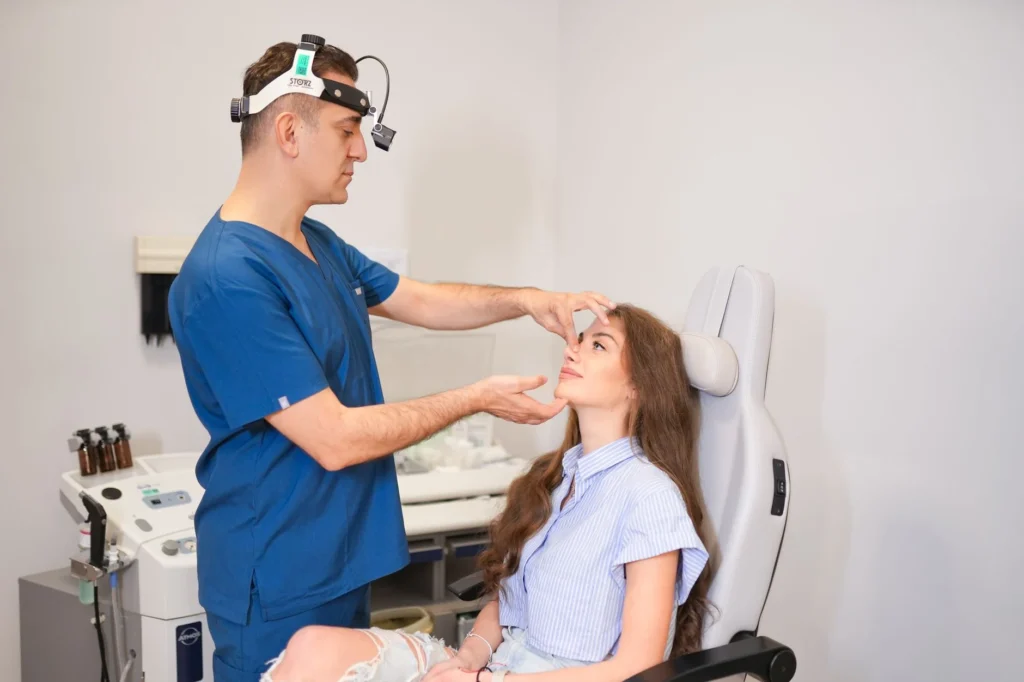
Cataract Surgery Estimated Costs
Here’s a breakdown of typical components contributing to the total cost. Remember, these are estimates for one eye and can fluctuate widely.
| Item/Service | Estimated Range (USD) | Notes | |
|---|---|---|---|
| 👁️ | Surgeon’s Fee | $1,500 – $3,500 | Varies by surgeon’s experience, reputation, and geographic location. |
| 🏥 | Anesthesia Fee | $500 – $1,500 | Costs depend on the type of anesthesia used and duration of the procedure. |
| 💡 | Facility Fee | $1,000 – $3,000 | Covers the operating room, equipment, and nursing staff. |
| ✨ | IOL (Intraocular Lens) Cost | $200 – $4,000+ | Basic monofocal lenses are less expensive; premium lenses (toric, multifocal) cost significantly more. |
| 🔬 | Pre-op/Post-op Care | $300 – $800 | Includes initial consultations, diagnostic tests, and follow-up visits. |
| 💊 | Medications | $50 – $200 | Prescription eye drops and any pain relief needed post-surgery. |
| 💰 | TOTAL | $3,550 – $13,000+ | This range is a broad estimate. Your actual out-of-pocket expense will depend heavily on insurance and specific choices. |
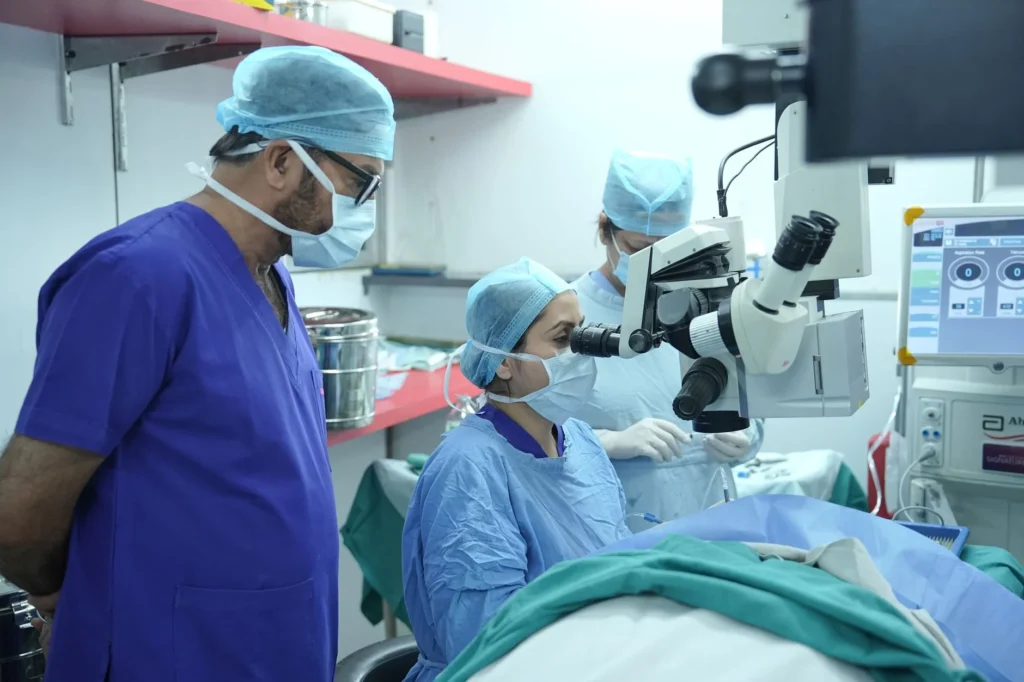
Disclaimer: These ranges are for informational purposes only and represent typical costs for one eye. Actual prices can vary dramatically based on your specific region, the chosen provider and facility, the type of intraocular lens, and your individual insurance plan. Always obtain a detailed, itemized quote directly from your chosen clinic.
Key Factors Influencing Your Bill
Beyond the basic breakdown, several elements can swing your total cost dramatically. Understanding these can help you make more informed decisions.
Insurance Coverage and Out-of-Pocket Expenses
Most health insurance plans, including Medicare, typically cover a significant portion of cataract surgery, especially when it’s deemed medically necessary. However, coverage often applies to standard monofocal intraocular lenses (IOLs). If you opt for premium lenses—such as toric lenses for astigmatism or multifocal lenses to reduce reliance on glasses for near and far vision—the additional cost for these advanced features is usually out-of-pocket. Many people overlook this crucial detail, assuming all lenses are covered equally. Always confirm what your specific plan will pay for and what you’ll be responsible for.
Lens Choice: Basic vs. Premium
The type of IOL you choose is often the single biggest cost differentiator. Standard monofocal lenses correct vision for one focal point (usually distance), requiring glasses for other tasks like reading. Premium IOLs offer more advanced vision correction, potentially reducing or eliminating the need for glasses entirely. While the benefits can be life-changing, their higher price tag isn’t always fully covered by insurance, leading to significant out-of-pocket costs. Don’t be afraid to ask your surgeon for a clear explanation of all your lens options and their associated costs.
Geographic Location and Provider
Costs for medical procedures, including cataract surgery, can vary widely based on your geographic location. Large metropolitan areas often have higher prices than rural regions. Similarly, highly specialized or renowned surgeons and upscale surgical centers might charge more than general ophthalmology practices. Shopping around and getting quotes from a few different providers in your area can sometimes yield noticeable savings.
Frequently Asked Questions
- Is cataract surgery always covered by insurance?
- Most insurance plans cover cataract surgery when it’s medically necessary. However, the extent of coverage varies. Often, only basic monofocal lenses are fully covered, with premium lens upgrades being an out-of-pocket expense.
- Can I finance cataract surgery?
- Yes, many ophthalmology practices offer payment plans or work with third-party medical financing companies like CareCredit. It’s always worth asking about your options if upfront costs are a concern.
- What’s the biggest variable in the cost?
- The type of intraocular lens (IOL) selected is usually the largest cost variable. Premium lenses offering multifocal or toric correction can significantly increase the total bill compared to standard monofocal lenses.
Images sourced from Pexels.