Best Hearing Aids 2026: Your Ultimate Guide to Better Listening
Welcome to your essential guide for navigating the world of hearing aids in 2026. As technology continues to evolve at a rapid pace, the options for improved hearing are more sophisticated and accessible than ever before. From discreet in-the-canal devices to powerful behind-the-ear models, the goal remains the same: to enhance your ability to connect with the world around you.
Understanding the landscape of hearing aid technology and associated costs can be complex. This guide aims to demystify the choices available in 2026, offering clear insights into features, price estimates, and what to expect when investing in better listening. We’ll focus on practical information to help you make an informed decision that aligns with your needs and budget.
Price Table
| Item/Service | Estimated Range (USD) | Notes | |
|---|---|---|---|
| 🦻 | Hearing Aid Device (Entry-Level, per ear) | $900 – $1,800 | Basic features, suitable for mild to moderate hearing loss. Over-the-counter (OTC) options often fall here. |
| 🎧 | Hearing Aid Device (Advanced, per ear) | $2,800 – $5,500 | Advanced noise reduction, connectivity, personalized sound profiles for moderate to severe loss. Prescription-grade. |
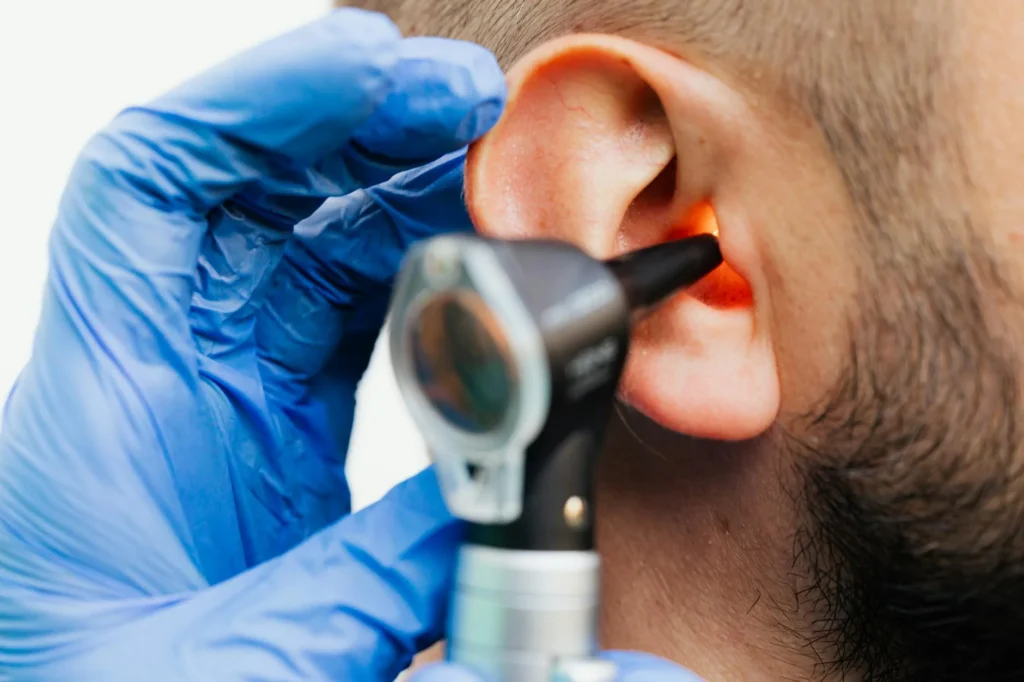
| 🩺 | Initial Audiology Assessment & Fitting | $200 – $500 | Comprehensive hearing test, consultation, device programming, and initial fitting. Often bundled with device purchase. |
| ⚙️ | Follow-up Programming & Adjustments (first year) | $100 – $300 | Ongoing fine-tuning and support to optimize performance. May be included in the device package. |
| 🔋 | Batteries (1-year supply) / Rechargeable Module (initial cost) | $50 – $250 | Cost varies significantly based on battery type (disposable vs. rechargeable) and usage. |
| 🧼 | Cleaning Kit & Basic Maintenance | $40 – $100 | Essential tools and solutions for daily care and upkeep to prolong device life. |
| 🛡️ | Extended Warranty (Optional, per year) | $150 – $400 | Covers repairs or replacement beyond the standard manufacturer’s warranty. Varies by provider. |
| TOTAL | Estimated Investment (for a pair & essential services) | $2,000 – $12,500+ | This broad range reflects the significant difference between entry-level OTC models and advanced prescription devices for a pair of aids, including initial professional services. Prices vary significantly by region, provider, technology level, and included service packages. |
Frequently Asked Questions (FAQ)
How often should hearing aids be replaced in 2026?
With proper care, modern hearing aids in 2026 can last between 4 to 7 years. However, technological advancements, changes in your hearing, or physical wear and tear might prompt an earlier upgrade.
Does insurance cover hearing aids in 2026?
Coverage varies widely. Some private insurance plans offer partial benefits, and specific state programs or federal benefits might provide assistance. It’s crucial to check with your individual insurance provider for details on your 2026 policy.
What’s the difference between OTC and prescription hearing aids in 2026?
Over-the-counter (OTC) hearing aids in 2026 are designed for adults with perceived mild to moderate hearing loss and can be purchased directly without a medical exam or professional fitting. Prescription hearing aids, on the other hand, are typically for moderate to severe hearing loss, require an audiology assessment, and are custom-fitted and programmed by a professional.