Understanding Today’s Sleep Study Expenses
Sleep quality profoundly impacts overall health, and for many struggling with disorders like sleep apnea, a sleep study is the vital first step toward diagnosis and treatment. This diagnostic process can unlock answers, but understanding its associated costs is a common concern.
While the exact price tag for a sleep study can vary significantly, navigating the different types of tests and their potential expenses doesn’t have to be overwhelming. We’ll break down the components of current sleep study costs, offer estimated ranges, and provide practical advice to help you manage these healthcare investments.
Price Table
| Item/Service | Estimated Range (USD) | Notes | |
|---|---|---|---|
| 👤 | Initial Consultation | $150 – $400 | Required to assess symptoms and recommend the appropriate study. |
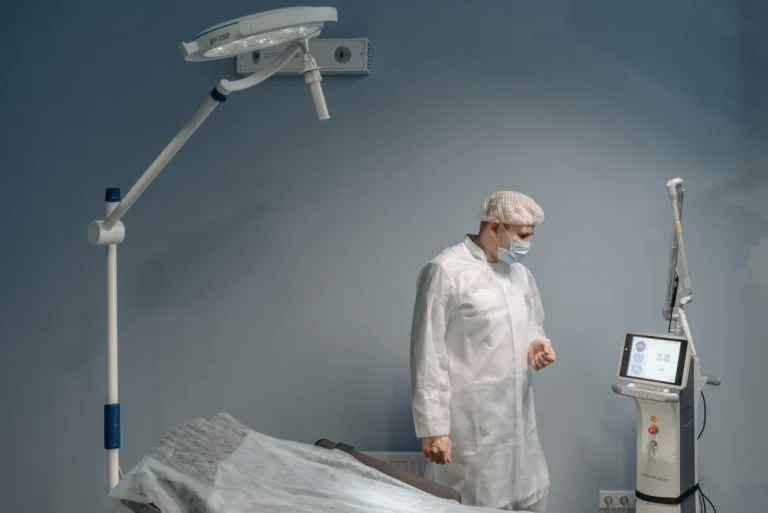
| 🔬 | In-Lab Polysomnography (PSG) | $800 – $5,000+ | Comprehensive overnight study monitoring brain waves, oxygen, heart rate, breathing, and leg movements in a clinical setting. Often covers facility, technician, and initial interpretation. |
| 🏠 | Home Sleep Apnea Test (HSAT) | $250 – $700 | Less comprehensive, focuses on breathing events. Performed at home with portable equipment. Suitable for high-probability sleep apnea cases. |
| 📝 | Report Interpretation | $200 – $600 | Separate charge in some cases, covers the specialist’s analysis of the raw data and diagnostic report. Often bundled with the study itself. |
| 👩⚕️ | Follow-up Consultation | $100 – $300 | Discussion of results and treatment plan with a sleep specialist. |
| 💨 | CPAP Titration Study | $500 – $2,500 | If sleep apnea is diagnosed, this in-lab study determines the optimal pressure settings for a CPAP machine. |
| 💲 | TOTAL | Varies significantly | The overall cost depends heavily on the type of study, location, provider, and insurance coverage. |
Disclaimer: These are estimated ranges. Actual costs can vary widely based on your geographic location, healthcare provider, facility type (e.g., hospital vs. independent clinic), study complexity, and your insurance plan. Always confirm costs directly with your provider and insurer.
What Influences Sleep Study Costs?
Several key factors drive the wide range in sleep study pricing. First, the type of study plays a major role. An in-lab polysomnography (PSG) is generally more expensive than a home sleep apnea test (HSAT) due to the extensive equipment, specialized technicians, and overnight facility use. Your geographic location also matters; costs can differ significantly between urban and rural areas, and even from state to state. Hospitals often charge more than independent sleep clinics for similar services. Finally, whether you’re insured, and the specifics of your plan—deductibles, co-pays, and co-insurance—will ultimately determine your out-of-pocket expense.
Before you schedule any sleep study, it’s crucial to contact your insurance provider. Many studies require prior authorization, and failing to secure it can lead to denied claims and full out-of-pocket responsibility. Understand your plan’s specifics regarding sleep diagnostics, including your deductible status, co-pay amounts, and any out-of-network benefits. Don’t make the common mistake of assuming full coverage; always verify. If you’re uninsured or have a high-deductible plan, ask the clinic about cash discounts or payment plans. Many facilities are willing to work with patients to make essential diagnostic tests more affordable.
Frequently Asked Questions
Is a home sleep study always cheaper?
Generally, yes. Home sleep apnea tests (HSATs) involve less equipment and no overnight staffing, making them a more cost-effective option for initial diagnosis, especially for those highly suspected of having obstructive sleep apnea.
Why do sleep study costs vary so much?
Variations are primarily due to the type of study (in-lab vs. home), the facility (hospital vs. private clinic), geographic location, the services included (e.g., interpretation fees, follow-up consults), and your insurance coverage.
Do I need a doctor’s referral for a sleep study?
In most cases, yes. A referral from your primary care physician or a specialist is typically required to ensure medical necessity and for insurance coverage purposes. It’s a critical first step in addressing sleep concerns.
Images sourced from Pexels.