
Engine Replacement Cost 2026: What to Expect
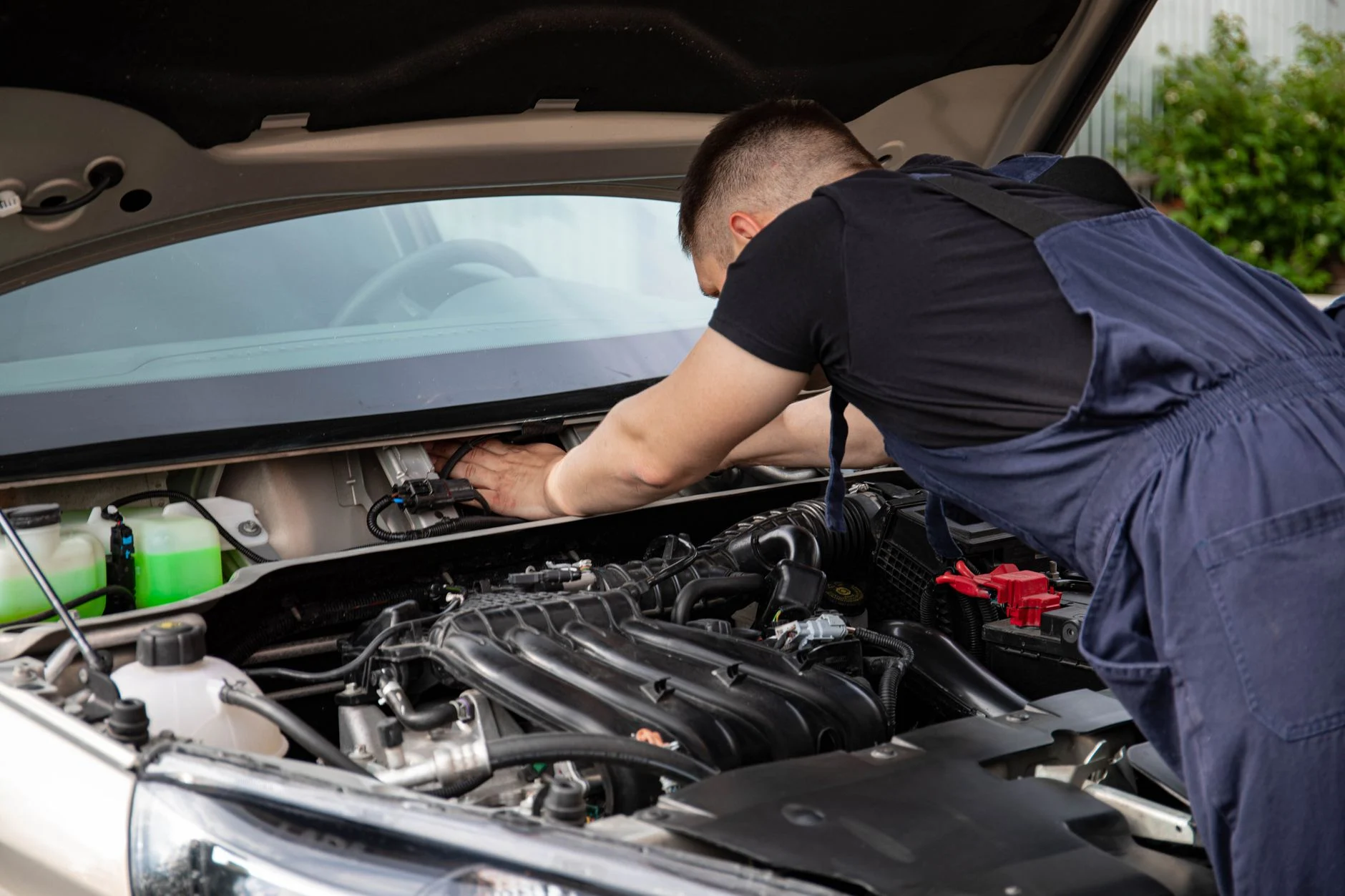
Facing an engine replacement is never ideal. It’s one of the most significant repairs a vehicle owner can undertake, often prompting a serious ‘repair or replace’ decision. As we look towards 2026, understanding the projected costs involved is crucial for budgeting and making an informed choice for your vehicle.
Many factors will influence the final bill for a new, remanufactured, or used engine installation. From the type of engine and your vehicle’s make and model to the labor rates at your chosen repair shop, prices can fluctuate considerably. Our guide will help you navigate these potential expenses in 2026.

Price Table: Engine Replacement Costs (Estimated for 2026)
Note: These are estimated ranges for the U.S. market in 2026. Actual costs will vary based on your vehicle’s specific requirements, the engine type chosen, labor rates, and regional economic conditions.
| Item/Service | Estimated Range (USD) | Notes | |
|---|---|---|---|
| 🔄 | Engine Unit (Remanufactured) | $3,500 – $7,500 | Professionally rebuilt to factory specs; often comes with a warranty. |
| ♻️ | Engine Unit (Used/Salvage) | $1,500 – $4,500 | Cost-effective but higher risk; mileage and warranty vary significantly. |
| ✨ | Engine Unit (New/OEM) | $5,000 – $12,000+ | Direct from manufacturer; specific to certain models, often premium vehicles. |
| 🛠️ | Labor (20-35 hours) | $2,000 – $5,250 | Shop rates ($100-$150/hour) and vehicle complexity drive costs. |
| 💧 | Fluids & Ancillary Parts | $400 – $900 | Includes oil, coolant, filters, gaskets, spark plugs, belts, etc. |
| 💻 | Diagnostic & Programming | $150 – $400 | Essential for proper integration with vehicle’s electronic systems. |
| 🗑️ | Disposal & Environmental Fee | $50 – $200 | For the old engine core; varies by state/local regulations. |
| 💲 | TOTAL (Approximate) | $4,100 – $18,000+ | Broad range covering common remanufactured/used options through high-end new OEM. |
Factors Influencing Your Engine Replacement Cost
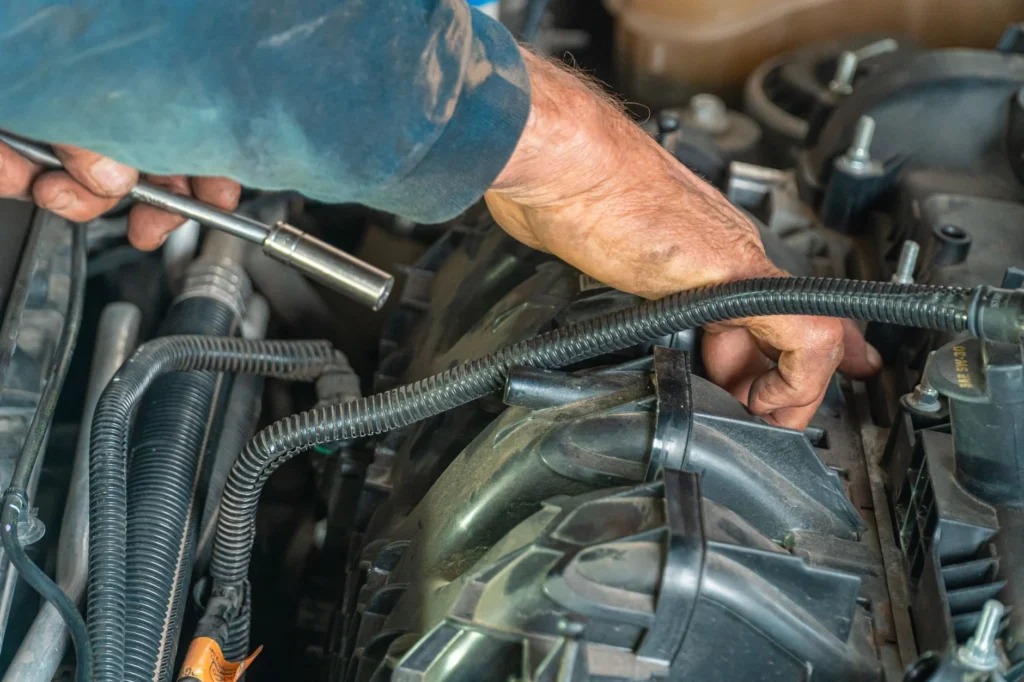
Beyond the raw price of the engine itself, several elements will shape your final invoice in 2026. The make and model of your car play a huge role; a compact sedan typically costs less than a performance vehicle or a large truck. Labor rates, which vary significantly from one region to another and between independent shops and dealerships, are also a major component. Furthermore, expect variations based on whether you opt for a used, remanufactured, or brand-new engine, each offering different price points and levels of assurance.
Remanufactured vs. Used: Which Path to Take?
This is often the core dilemma. A remanufactured engine is a unit that has been completely disassembled, cleaned, inspected, and rebuilt to manufacturer specifications, often with new or re-machined parts. They typically come with a solid warranty, offering peace of mind. On the other hand, a used engine is pulled directly from another vehicle, usually a salvage car. While more affordable upfront, they carry a higher risk profile due to unknown history, mileage, and condition. Always inquire about any warranty provided with a used engine.
Here’s a practical tip: don’t just chase the lowest price tag on the engine itself. A poorly installed engine, even if cheap, can lead to costly failures and safety issues down the line. Focus on the shop’s reputation and the warranty on both parts and labor.
Beyond the Price Tag: Key Considerations
An engine replacement is a huge investment, so consider the overall value of your vehicle. Is the car’s body in good shape? Is the transmission reliable? What about the suspension and interior? If other major components are nearing their end, the significant cost of a new engine might not be a wise investment. Sometimes, applying that budget towards a down payment on a newer, more reliable vehicle is the smarter financial move.
Also, always get a detailed written estimate that clearly itemizes the cost of the engine unit, labor hours, and all additional parts and fluids. This helps prevent surprises and ensures you understand exactly what you’re paying for.

FAQ: Engine Replacement in 2026
Is replacing an engine always worth it?
Not always. It depends on your vehicle’s overall condition, age, mileage, and its current market value compared to the replacement cost. If the repair cost exceeds 75% of the car’s value, or if other major systems are failing, it might be time to consider a new vehicle.
How long does an engine replacement typically take?
Generally, an engine replacement can take anywhere from 3 to 7 business days, though complex vehicles or parts availability in 2026 could extend this timeframe. Always confirm an estimated timeline with your repair shop.
Will a replaced engine affect my car’s resale value?
It can. While a new engine extends the vehicle’s life, buyers might be wary of a major repair, potentially impacting resale value or making it harder to sell. However, a well-documented replacement with a reputable shop can mitigate these concerns.
Images sourced from Pexels.