Invisalign vs. Braces 2026: Uncovering Today’s Current Rates
Considering straightening your smile? For many, the choice between Invisalign and traditional braces comes down to more than just aesthetics—cost plays a significant role. As we look at 2026, understanding the financial commitment for each option is key to making an informed decision that suits your budget and your dental goals.
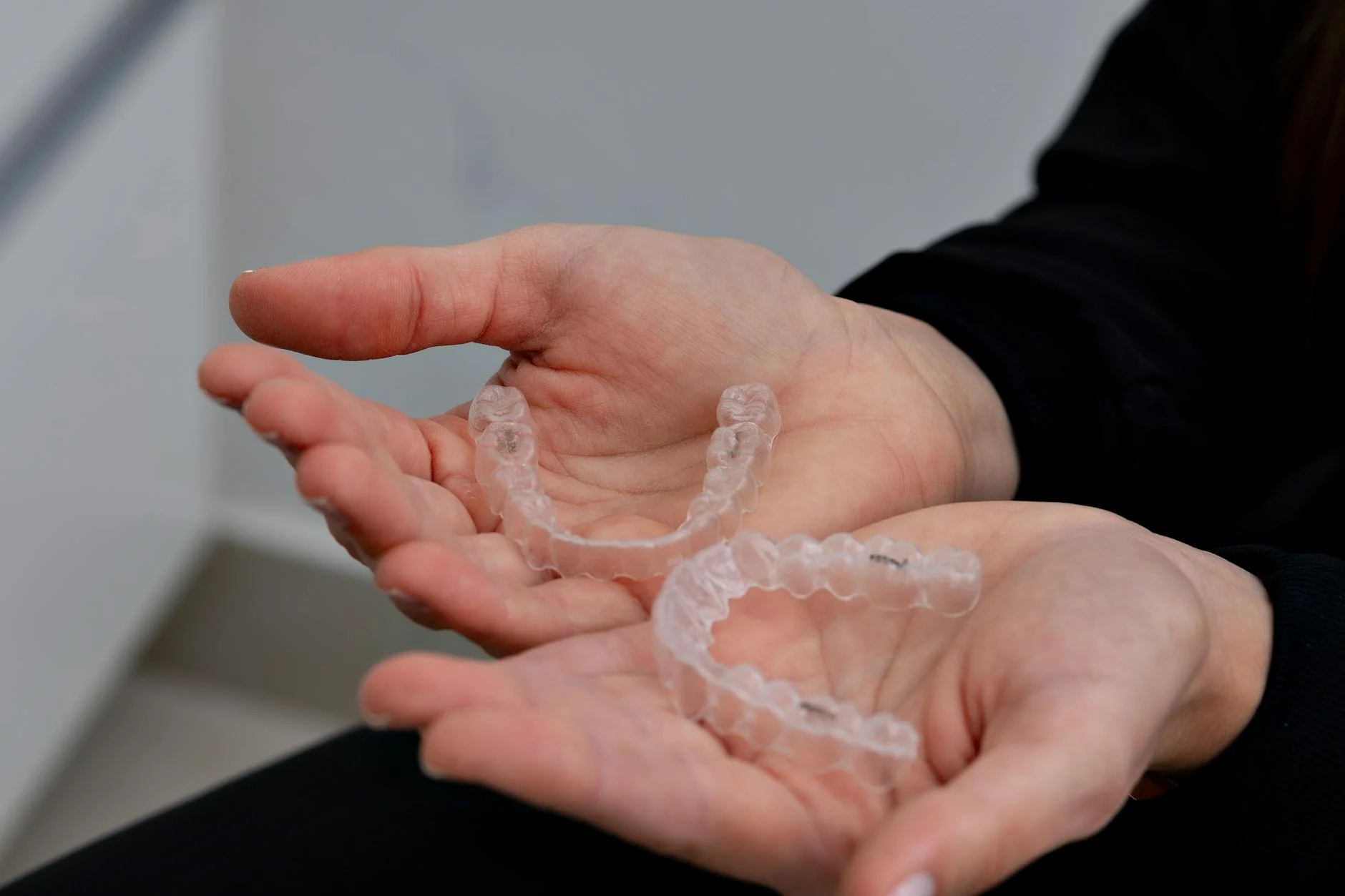
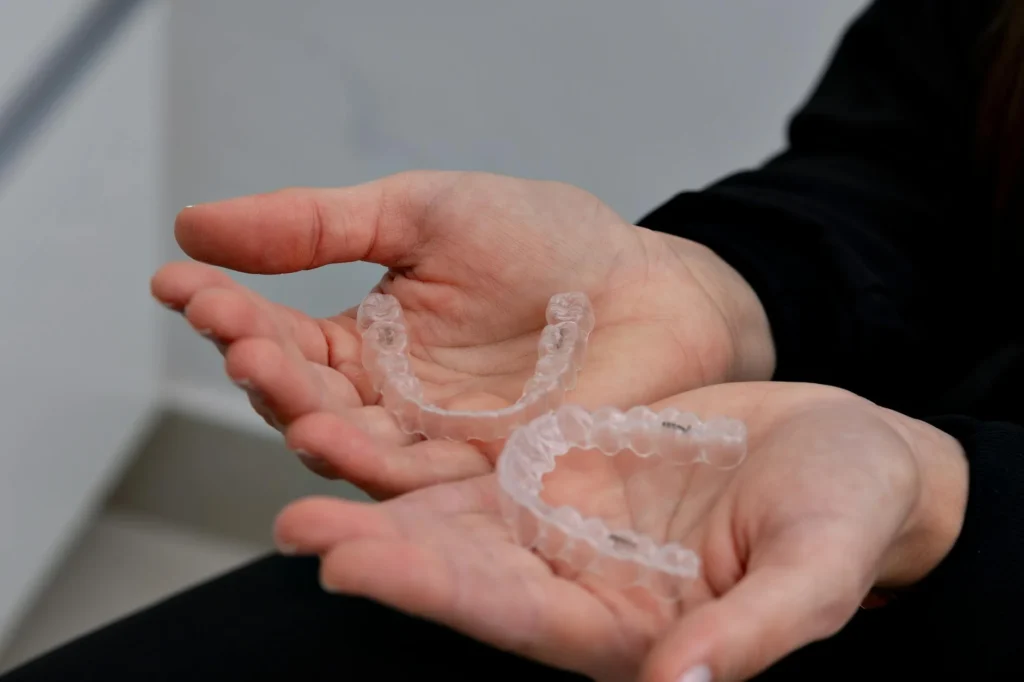
Both Invisalign and braces offer effective solutions for correcting various orthodontic issues, from minor adjustments to complex realignments. While the end goal is similar, the technology, treatment experience, and ultimately, the price point can differ considerably. Let’s break down what you can expect to pay for these popular treatments in 2026.
Price Table: Invisalign vs. Braces (Estimated 2026 Rates)
| Item/Service | Estimated Range (USD) | Notes | |
|---|---|---|---|
| ✨ | Invisalign Full Treatment | $3,500 – $8,500 | Includes initial consultation, aligners, and typical follow-up appointments. Varies by case complexity. |
| 🔗 | Traditional Metal Braces | $3,000 – $7,500 | Covers brackets, wires, adjustments, and removal. Generally the most budget-friendly option. |
| ⚪ | Ceramic Braces | $4,000 – $8,000 | Similar to metal braces but with clear or tooth-colored brackets. A discreet alternative to metal. |
| 👅 | Lingual Braces | $8,000 – $12,000+ | Custom-made and placed on the inside of teeth, making them virtually invisible from the outside. Highest cost due to customization. |
| 🔍 | Initial Consultation & Diagnostics | $50 – $250 | Often credited towards treatment if you proceed. May include X-rays and molds. |
| 🦷 | Retainers (Post-treatment) | $100 – $500 per set | Usually included in the total treatment cost, but replacement retainers are an extra expense. |
| TOTAL (Treatment & Post-care) | $3,000 – $12,000+ | These are general ranges for full treatment in 2026. Actual costs vary significantly based on individual needs, provider, and geographic location. |
What Influences the Cost in 2026?
It’s rarely a one-size-fits-all price tag when it comes to orthodontics. Several factors will impact your final bill in 2026, and understanding them can help you budget more effectively.
Treatment Complexity & Duration
Simple cases, like minor crowding or spacing, generally cost less and take less time. More complex issues—severe malocclusions, significant bite problems, or intricate tooth movements—require more extensive treatment plans, longer durations, and specialized techniques, all of which push the price higher. Both Invisalign and braces will reflect this complexity in their overall cost.
Provider & Location
The specific orthodontist you choose and their geographic location play a huge role. Highly experienced specialists or practices in major metropolitan areas often have higher fees than those in smaller towns. It’s not uncommon for identical treatments to have a difference of a few hundred to over a thousand dollars just due to location or clinic reputation.
Insurance & Payment Plans
Your dental insurance might cover a portion of orthodontic treatment, especially for children and teens, and sometimes for adults. Always check your policy’s specifics for 2026. Many providers also offer flexible payment plans, breaking down the total cost into manageable monthly installments. This can make even more expensive options feel more accessible.
Don’t Forget the Extras
One common mistake people make is only budgeting for the initial quoted treatment price. Beyond the main cost of braces or Invisalign, there can be additional expenses. Replacement retainers are a prime example; these are crucial for maintaining your new smile but can easily run a few hundred dollars if lost or broken. Also, consider the cost of potential repairs for traditional braces if a bracket comes loose, or if you consistently miss appointments, some clinics might charge a fee. Always ask about what’s explicitly included and what might incur an extra charge during your consultation.

FAQ: Your 2026 Orthodontic Questions Answered
Is Invisalign always more expensive than traditional braces?
Not always, but generally yes. For comparable cases, Invisalign often falls into a higher price bracket due to the technology involved in creating custom aligners. However, for very simple, short-term treatments, the difference might be minimal, or even less for a limited Invisalign case.
Can I use dental insurance for orthodontic treatment in 2026?
Yes, many dental insurance plans offer orthodontic benefits. Coverage levels vary widely, though. Some plans might cover a fixed percentage, while others offer a lifetime maximum benefit. It’s essential to contact your insurance provider directly and also discuss coverage with your chosen orthodontic office to understand your out-of-pocket costs.
Are payment plans available for orthodontic treatment?
Absolutely. Most orthodontic practices understand that treatment is a significant investment and offer various payment options. These can include in-house financing with low or no interest, third-party medical financing companies, or discounts for paying the full amount upfront. Don’t hesitate to ask about these options during your consultation.
What’s the best way to get an accurate cost estimate for 2026?
The most reliable way is to schedule consultations with a few different orthodontists. Each will assess your specific needs and provide a personalized quote. These consultations are crucial because they account for your unique dental situation, which is the primary driver of cost. Make sure to ask for an itemized breakdown of what’s included in their quoted price.
Images sourced from Pexels.