Current Engine Replacement Costs: A Comprehensive Breakdown
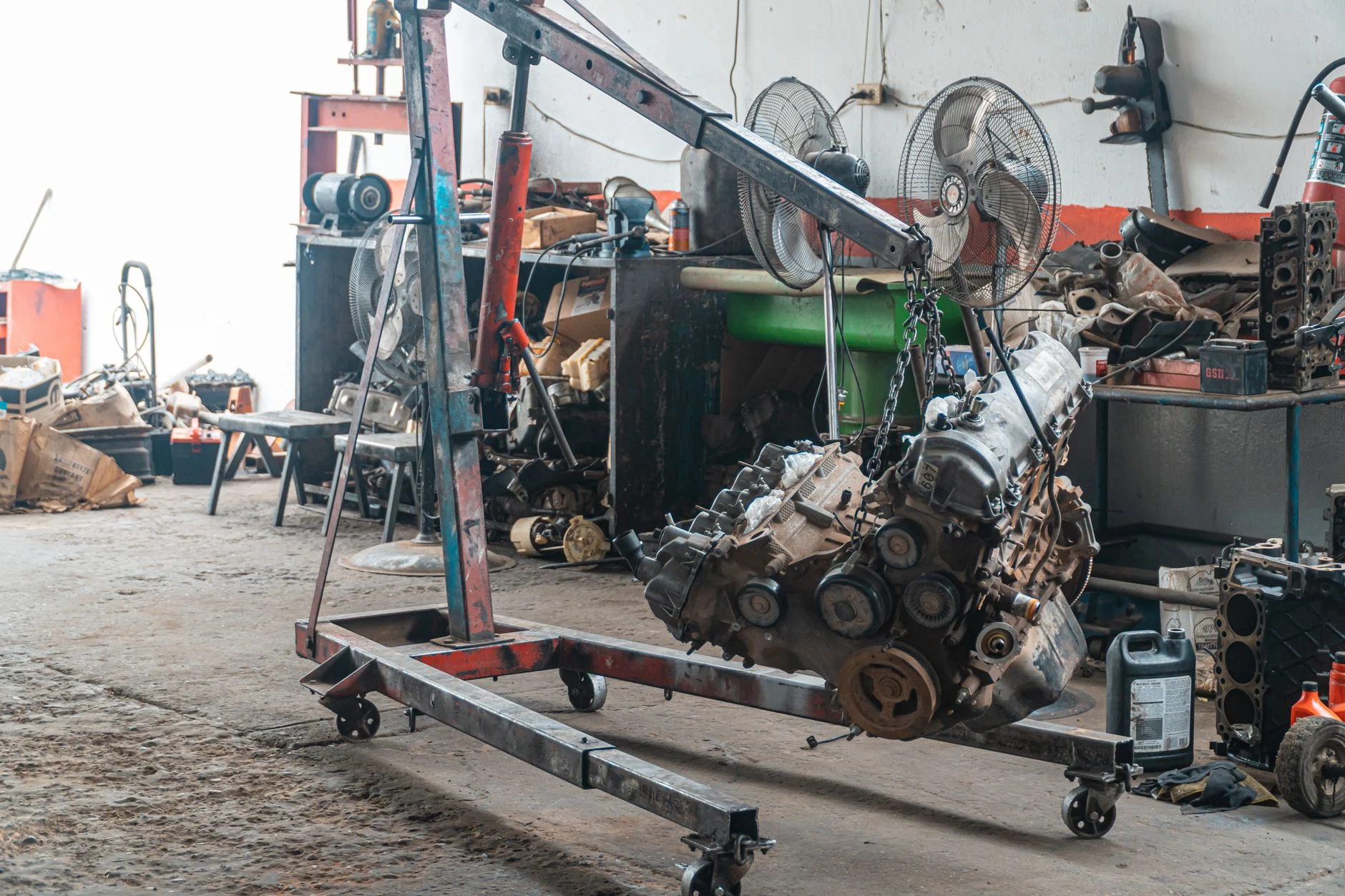
A sudden engine failure can feel like a punch to the gut for any vehicle owner. It’s a major mechanical issue, and the first question that often comes to mind is, ‘How much is this going to cost me?’ Understanding the financial implications of an engine replacement is crucial for making an informed decision about your vehicle’s future.
The total cost for replacing an engine can swing widely, influenced by numerous factors from the type of vehicle you drive to the source of the replacement engine itself. This guide aims to demystify these expenses, offering a clear, practical look at what you can expect to pay for parts, labor, and everything in between.
Price Table
| Item/Service | Estimated Range (USD) | Notes | |
|---|---|---|---|
| 🛠️ | New Crate Engine | $4,000 – $10,000+ | Brand new, often comes with a manufacturer warranty. Most reliable, but highest initial cost. |
| 🔄 | Remanufactured/Rebuilt Engine | $2,500 – $7,000 | An existing engine restored to ‘like new’ specifications. A great balance of cost and reliability, typically includes a warranty. |
| ♻️ | Used Engine (Salvage/Junk Yard) | $1,000 – $4,500 | Cheapest upfront option. Condition and warranty (if any) vary significantly. Higher risk involved. |
| 🔧 | Labor Costs | $1,000 – $3,000 | Includes removal of old engine and installation of new. Highly dependent on vehicle make/model and shop’s hourly rate. |
| 💧 | Fluids & Filters | $150 – $400 | New engine oil, coolant, transmission fluid, power steering fluid, fuel filter, oil filter. |
| gasket | Gaskets & Seals Kit | $100 – $300 | Essential for a leak-free installation, often included in labor but good to budget for. |
| ⚙️ | Ancillary Parts (Belts, Hoses, Spark Plugs) | $200 – $800 | Components like drive belts, coolant hoses, spark plugs, and sometimes motor mounts are often replaced during an engine swap due to accessibility or age. |
| TOTAL | $5,000 – $18,000+ | Disclaimer: Prices vary greatly by vehicle make/model, engine type (e.g., V4, V6, V8, Diesel), regional labor rates, and the specific mechanic shop chosen. Always get multiple quotes. |
Understanding the Cost Variables
As you can see, the final bill for an engine replacement has a wide range. Your vehicle’s make and model play a huge part; luxury cars or those with highly specialized engines will almost always cost more. Diesel engines, for instance, typically carry a higher price tag for parts and labor compared to gasoline engines. Where you source your parts—whether a new crate engine from the dealer, a remanufactured unit, or a used engine from a salvage yard—will also significantly impact the bottom line. Labor rates differ across regions and even between shops in the same city. Always ask for a detailed breakdown of costs.

New, Remanufactured, or Used? Making the Right Choice
Deciding between a new, remanufactured, or used engine is a pivotal choice that balances cost with risk and longevity. A new crate engine offers peace of mind with a fresh start and a comprehensive warranty, ideal if you plan to keep your vehicle for many more years. A remanufactured or rebuilt engine is often the sweet spot, providing significant savings over new while still offering reliability and a warranty because key components have been restored or replaced to factory specifications. This is a common and smart choice for many.
Choosing a used engine is the budget-friendly option, but it comes with the highest risk. The engine’s history might be unknown, and its remaining lifespan uncertain. A common mistake people make is choosing the cheapest used engine without verifying its mileage, service history, or getting a proper compression test. If you go this route, always ensure the seller provides some form of warranty, even if it’s just 30-90 days, and have a trusted mechanic inspect it thoroughly before installation.
When Is an Engine Replacement Worth It?
Before committing to such a substantial repair, take a step back and evaluate your vehicle’s overall condition and value. Is the car otherwise in good shape, or are other major repairs (transmission, suspension, bodywork) looming? Many people forget to factor in these potential future costs. Get a comprehensive pre-purchase inspection from an independent mechanic to assess the vehicle’s remaining lifespan and potential repair needs. If the cost of the engine replacement, combined with any other necessary repairs, exceeds the car’s market value, it might be time to consider replacing the vehicle entirely. However, if your car holds sentimental value, is a classic, or simply fits your needs perfectly, the investment might be worthwhile.
FAQ: Engine Replacement
Q: How long does an engine replacement typically take?
A: Generally, once all parts are sourced, the actual labor can take anywhere from 1 to 3 full days of work. However, including diagnostics, parts ordering, and potential unforeseen issues, the entire process could span one to two weeks.
Q: Will replacing my engine increase my car’s resale value?
A: While a new or remanufactured engine can significantly improve a vehicle’s reliability and extend its life, you typically won’t recoup 100% of the replacement cost in resale value. It will make the car more appealing and easier to sell, but consider it an investment in continued use rather than a direct return on investment.
Q: Is it necessary to get a warranty with a replacement engine?
A: Absolutely. A warranty provides crucial protection against defects or premature failure. New and remanufactured engines almost always come with a warranty (e.g., 1-3 years or 12,000-unlimited miles). For used engines, always seek one with at least a short-term warranty to cover immediate issues.

Images sourced from Pexels.