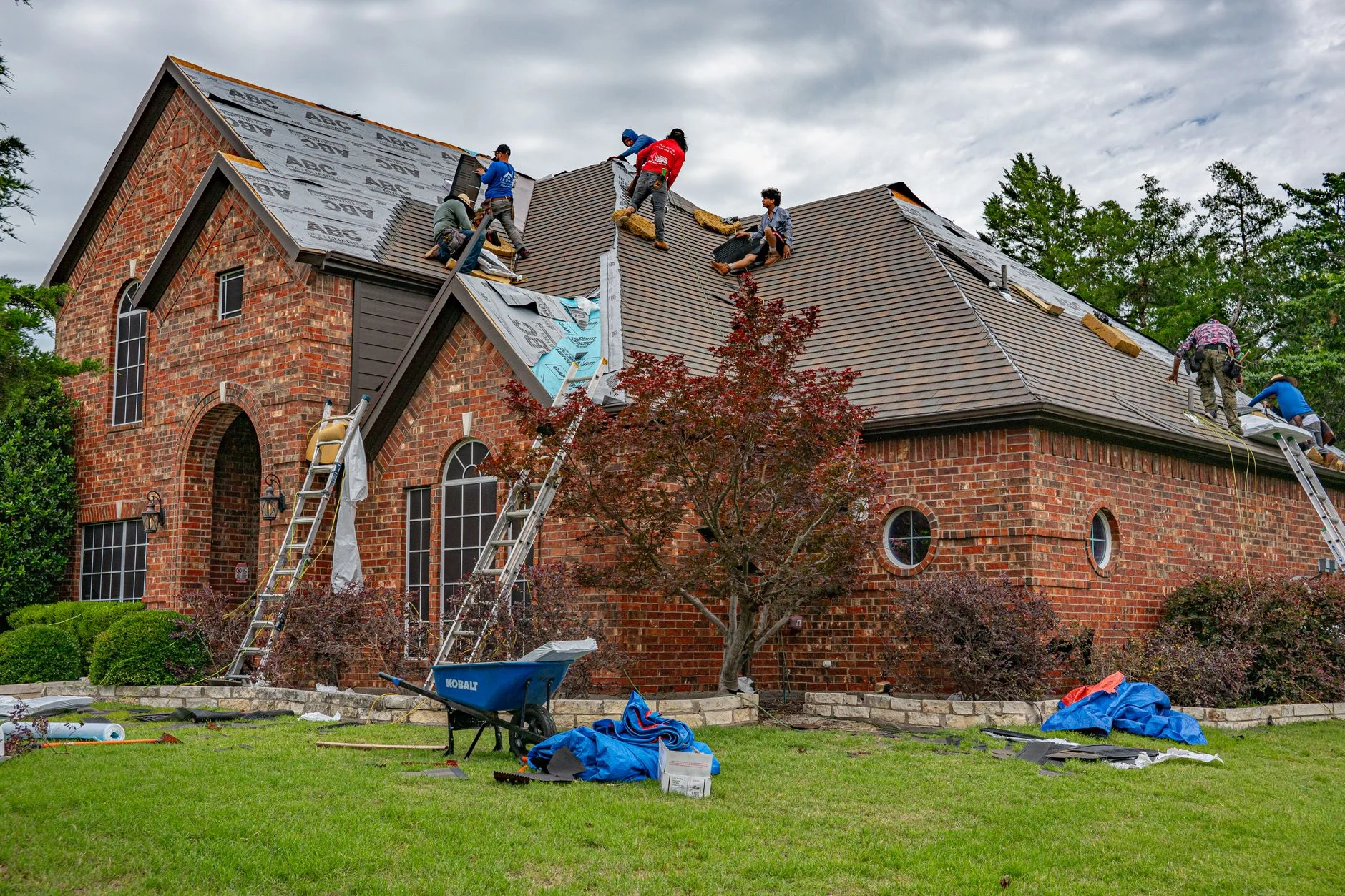
Updated Roof Replacement Costs: Your Guide for 2026
Planning a roof replacement for your home in 2026? It’s a significant investment, one that protects your entire property and contributes heavily to its curb appeal and energy efficiency. Knowing what to expect regarding costs can help you budget effectively and make informed decisions.
Prices for materials and labor continue to evolve, influenced by supply chains, regional demand, and new technologies. This guide offers realistic ranges for various components of a roof replacement project you might encounter next year, helping you prepare for one of the most crucial home upgrades.
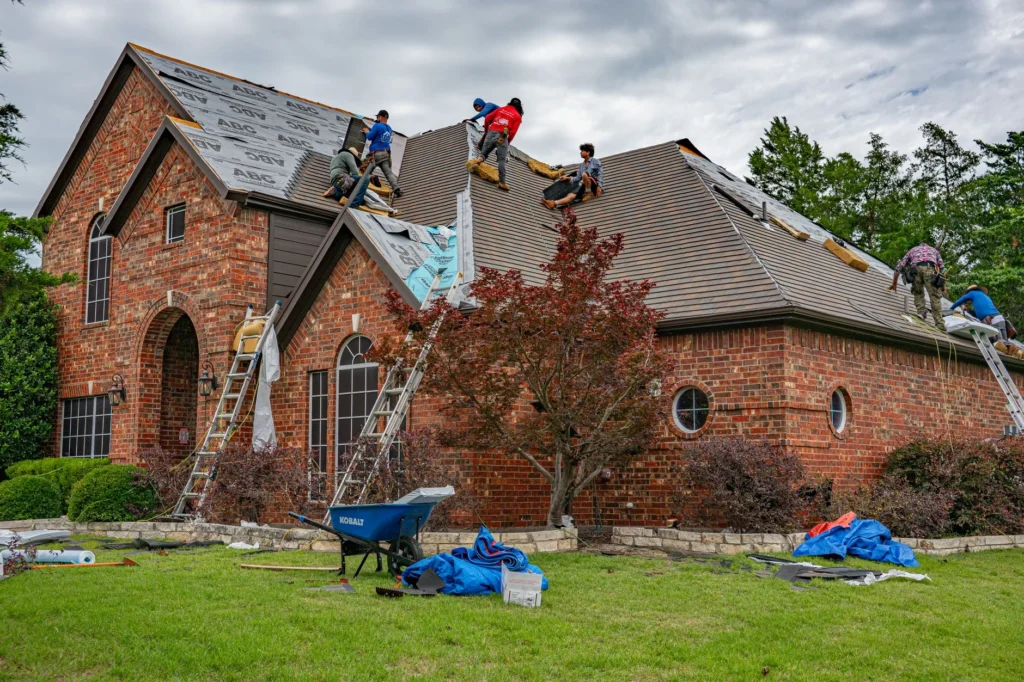
2026 Roof Replacement Price Table
| Item/Service | Estimated Range (USD) | Notes | |
|---|---|---|---|
| 🏠 | Old Roof Removal & Disposal | $1,500 – $4,500 | Varies by roof size, layers, and material. Disposal fees are a key factor. |
| 📜 | Permits & Inspection Fees | $250 – $800 | Required by most municipalities. Ensures work meets local building codes. |
| 🛠️ | Substrate/Decking Repair | $300 – $1,200 | Per square foot or hourly rate. Only if underlying decking needs attention. |
| 🏗️ | Labor (Installation) | $4,000 – $12,000 | Based on roof complexity, pitch, and region. Averages around $3-7 per sq ft. |
| ⚫ | Asphalt Shingles (Materials) | $3,500 – $8,500 | Standard 3-tab or architectural shingles. Highly durable and cost-effective. |
| 🪨 | Metal Roofing (Materials) | $8,000 – $25,000 | Standing seam or corrugated. Longer lifespan, higher upfront cost. |
| 🧱 | Tile/Slate Roofing (Materials) | $15,000 – $45,000+ | Clay, concrete, or natural slate. Premium, long-lasting, heavy. |
| 💧 | Underlayment & Flashing | $800 – $2,500 | Crucial for waterproofing and protection around chimneys, vents. |
| 🌬️ | Vents & Accessories | $300 – $1,000 | Ridge vents, attic fans, drip edge, fascia repair. Enhances longevity. |
| 💰 | TOTAL | $9,000 – $60,000+ | This range is broad; actual cost depends heavily on material choice, roof size, and regional labor rates. Always get multiple detailed quotes. |
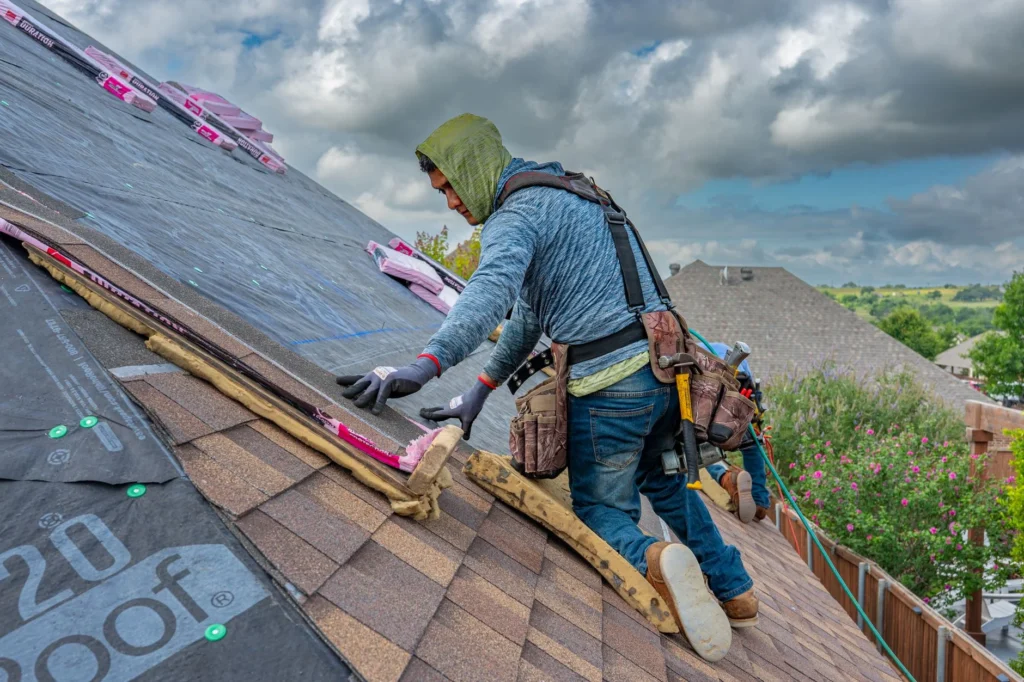
Key Factors Influencing Cost
Several elements will sway your final roof replacement bill. The size and complexity of your roof (think steep pitches, multiple valleys, or skylights) significantly impact labor hours and material waste. Your choice of roofing material is perhaps the biggest differentiator; an asphalt shingle roof will always be less expensive than a metal or slate option. Furthermore, regional economic conditions and the specific contractor you choose will play a role.
Saving Money on Your Roof Project
While cutting corners isn’t wise for something as vital as your roof, smart planning can save you money. One common mistake homeowners make is not getting at least three detailed quotes. Don’t just look at the bottom line; compare the scope of work, materials specified, and warranty information. Consider tackling minor repairs or maintenance proactively if your roof isn’t yet at the end of its life, which can sometimes extend its lifespan for a few more years.
Frequently Asked Questions
When is the best time for roof replacement?
Many homeowners prefer spring or fall. Moderate temperatures during these seasons make working conditions safer and allow materials to install correctly, reducing the risk of weather-related delays that can push up labor costs.
Should I repair or replace my roof?
If your roof is relatively new (less than 15 years old) and the damage is localized (e.g., a few missing shingles), repair is likely the more cost-effective option. However, if your roof is nearing or past its expected lifespan, has widespread damage, or shows signs of structural issues, a full replacement is usually the smarter long-term investment.
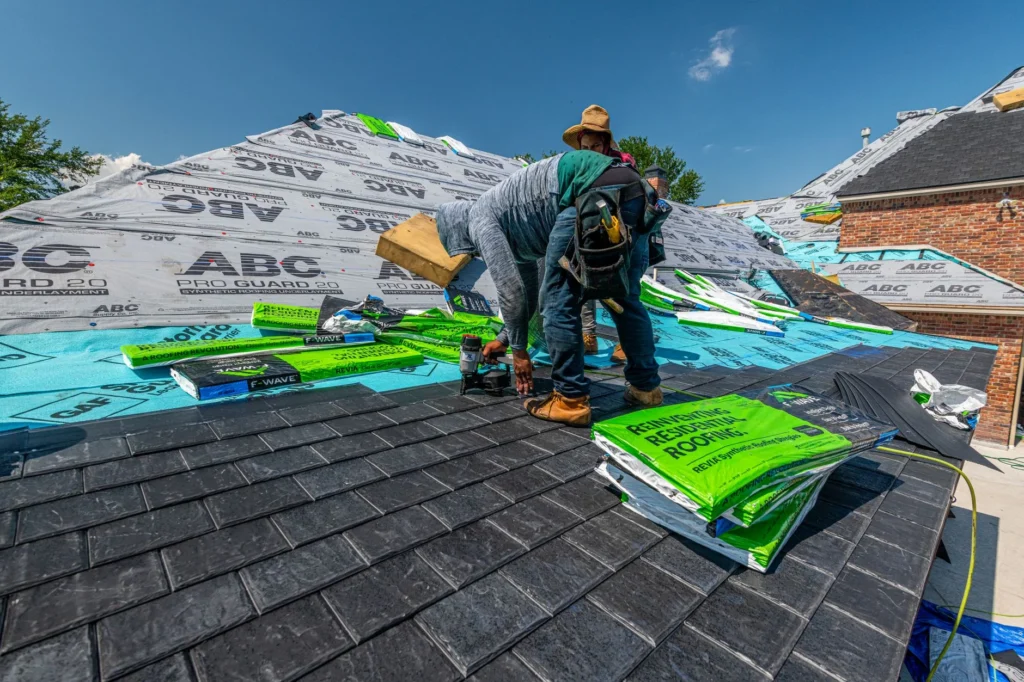
Images sourced from Pexels.