Updated Guide to Cataract Surgery in 2026: What’s New?
Cataract surgery remains one of the most common and effective medical procedures globally, restoring clear vision for millions. As we look ahead to 2026, advancements continue to refine techniques, expand lens options, and improve patient outcomes. If you or a loved one are considering this procedure, understanding the landscape of choices and expected costs is crucial for making an informed decision.
By 2026, you’ll find an even wider array of intraocular lens (IOL) technologies, potentially offering greater customization for individual vision needs. While the core procedure remains familiar, new diagnostic tools and surgical platforms contribute to enhanced precision and safety. Here’s what to anticipate, with a focus on costs and practical considerations for the year 2026.
Price Table
| Item/Service | Estimated Range (USD) | Notes | |
|---|---|---|---|
| 👁️ | Initial Consultation & Comprehensive Eye Exam | $250 – $550 | Includes initial assessment, diagnostic tests, and discussion of options. |
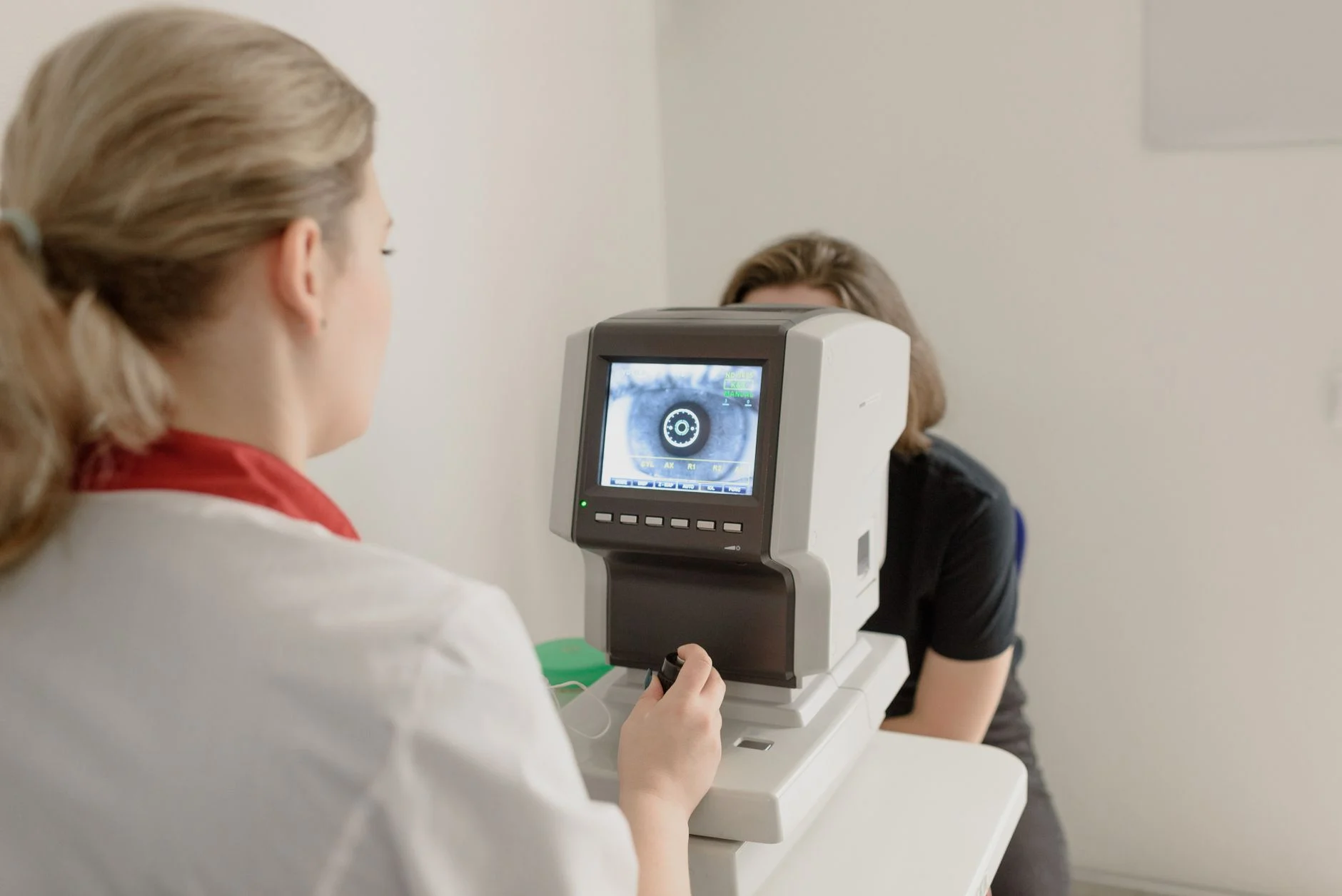
| 🔬 | Pre-operative Biometry & Advanced Diagnostics | $350 – $750 | Detailed measurements of the eye to select the correct IOL power. |
| 🩺 | Surgeon’s Fee (per eye) | $2,800 – $5,000 | Covers the surgeon’s expertise, time, and follow-up during the procedure. |
| 😴 | Anesthesia Fee | $550 – $1,100 | Typically local anesthesia with sedation provided by an anesthesiologist. |
| 🏢 | Facility Fee (Outpatient Surgical Center, per eye) | $1,600 – $3,200 | Cost for using the operating room, staff, and equipment. |
| 💡 | Standard Monofocal IOL (per eye) | $0 – $500 | Often included in the surgeon’s or facility fee for basic coverage. Provides clear vision at one distance. |
| 💎 | Premium IOL (e.g., multifocal, toric, extended depth of focus – additional cost per eye) | $1,800 – $4,500 | Advanced lenses designed to correct astigmatism or offer vision at multiple distances, reducing reliance on glasses. |
| 💊 | Post-operative Medications (eye drops) | $120 – $350 | Essential for healing and preventing infection after surgery. |
| 🗓️ | Post-operative Care (initial follow-ups) | $350 – $650 | Follow-up appointments for several weeks after surgery to monitor healing. |
| 💰 | TOTAL Estimated Range (per eye) | $5,000 – $14,000 | Total cost can vary widely based on IOL choice, region, and provider. |
Please note: These ranges are estimates for 2026 and can vary significantly based on your geographic region, the specific clinic or surgeon, the complexity of your case, and the quality of materials used. Always get a personalized quote for the most accurate cost breakdown.
Understanding Your Options in 2026
The biggest decision point, once surgery is recommended, often revolves around your choice of intraocular lens (IOL). By 2026, standard monofocal IOLs will still provide excellent single-distance vision, typically clear distance vision, meaning you’ll likely still need reading glasses. However, premium IOLs, including multifocal, toric, and extended depth of focus (EDOF) lenses, offer more advanced vision correction.
Many people overlook the long-term lifestyle benefits certain premium lenses can offer, only focusing on the upfront additional cost. Consider how much you value reducing your dependence on glasses for everyday tasks like reading or driving. Discuss these lifestyle factors thoroughly with your ophthalmologist to find the best fit for your vision goals and budget.
In 2026, most health insurance plans are expected to cover the medically necessary aspects of cataract surgery, including the standard monofocal IOL. This typically means coverage for the surgeon’s fee, anesthesia, facility charges, and the basic lens. However, the additional cost for premium IOLs is generally considered an elective upgrade and will likely be an out-of-pocket expense.
Before scheduling, it’s critical to contact your insurance provider to understand your specific benefits, deductibles, co-pays, and what is covered. Many clinics also offer financing options or payment plans to help manage the out-of-pocket costs, especially for premium lens upgrades. Don’t be shy about asking your clinic’s financial coordinator for assistance in navigating these details.

FAQ
- Is cataract surgery covered by insurance in 2026?
- Most health insurance plans are expected to cover the medically necessary components of cataract surgery and a standard monofocal IOL. Premium IOLs are typically an out-of-pocket upgrade.
- How long is the recovery period?
- Visual recovery is often quick, with many patients noticing clearer vision within a few days. Full healing and stabilization of vision can take several weeks, during which you’ll use prescribed eye drops and attend follow-up appointments.
- Will I need glasses after surgery?
- If you choose a standard monofocal IOL, you will likely still need glasses for reading or specific tasks. Premium IOLs aim to reduce or eliminate the need for glasses across multiple distances, but individual results vary, and some may still need glasses for very fine print or specific conditions.
- What are the main advancements in 2026 for cataract surgery?
- Key advancements in 2026 focus on even greater precision in IOL selection and placement, refined laser-assisted techniques for certain steps of the procedure, and potentially new generations of premium IOLs offering wider ranges of vision correction or improved visual quality.
Images sourced from Pexels.