Current Auto Transport & Shipping Rates: What to Expect in 2026
Planning to move a vehicle in 2026? Whether you’re relocating for a job, selling a classic car cross-country, or sending a vehicle to a college student, understanding the financial landscape of auto transport is key. Rates can fluctuate based on a multitude of factors, making informed budgeting essential.
The auto shipping industry in 2026 continues to navigate demand shifts, fuel price volatility, and evolving logistical challenges. Knowing what to expect for different services can help you secure the best deal without compromising on reliability. Here’s a breakdown of estimated costs and what drives them. Remember, one common mistake people make is not getting multiple, detailed quotes; don’t settle for the first price you see!
Auto Transport Rate Table for 2026
Note: These ranges are estimates for 2026. Actual prices vary significantly based on vehicle type, specific route, seasonality, fuel costs, and chosen provider. Always request multiple quotes to ensure accuracy for your particular situation.
| Item/Service | Estimated Range (USD) | Notes | |
|---|---|---|---|
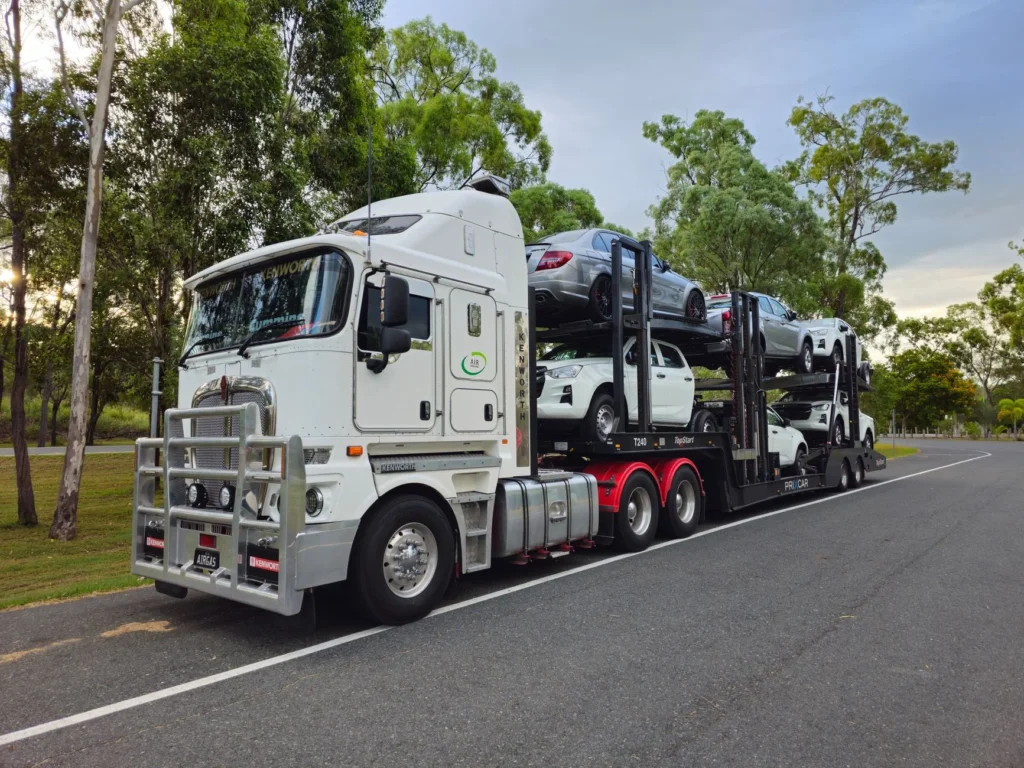
| 🚗 | Short Distance (Under 500 miles) | $400 – $850 | Basic open carrier, standard car. |
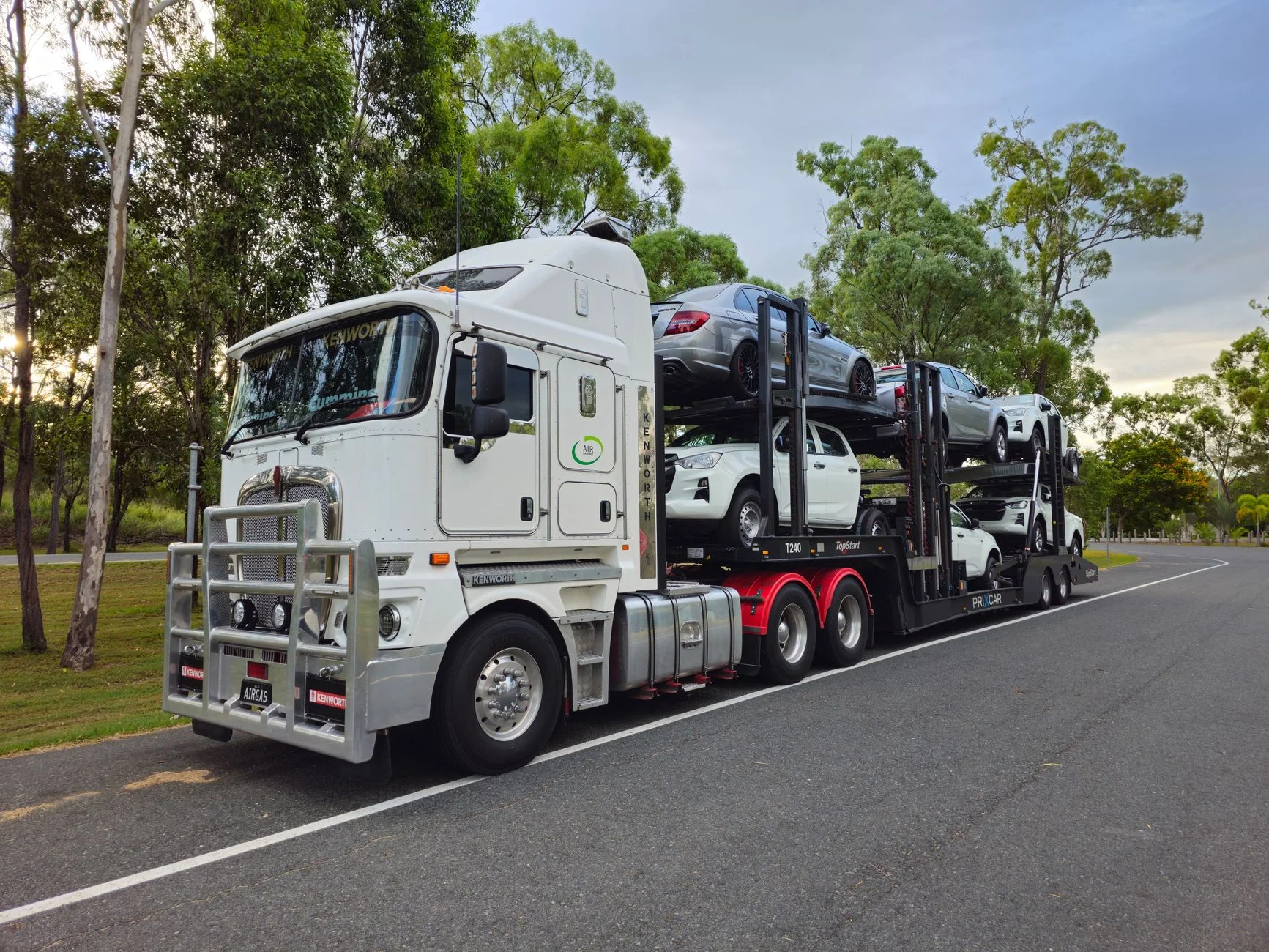
| 📦 | Medium Distance (500 – 1500 miles) | $800 – $1,500 | Standard open carrier. |
| 🛣️ | Long Distance (Over 1500 miles) | $1,200 – $2,300+ | Cross-country shipments. |
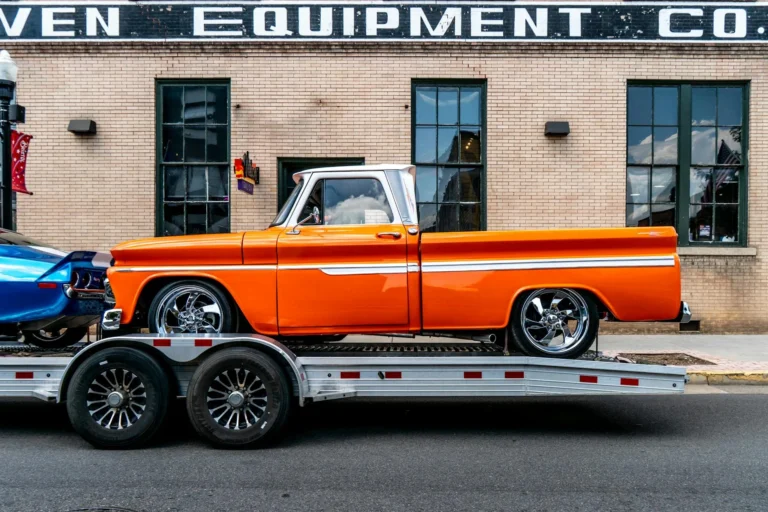
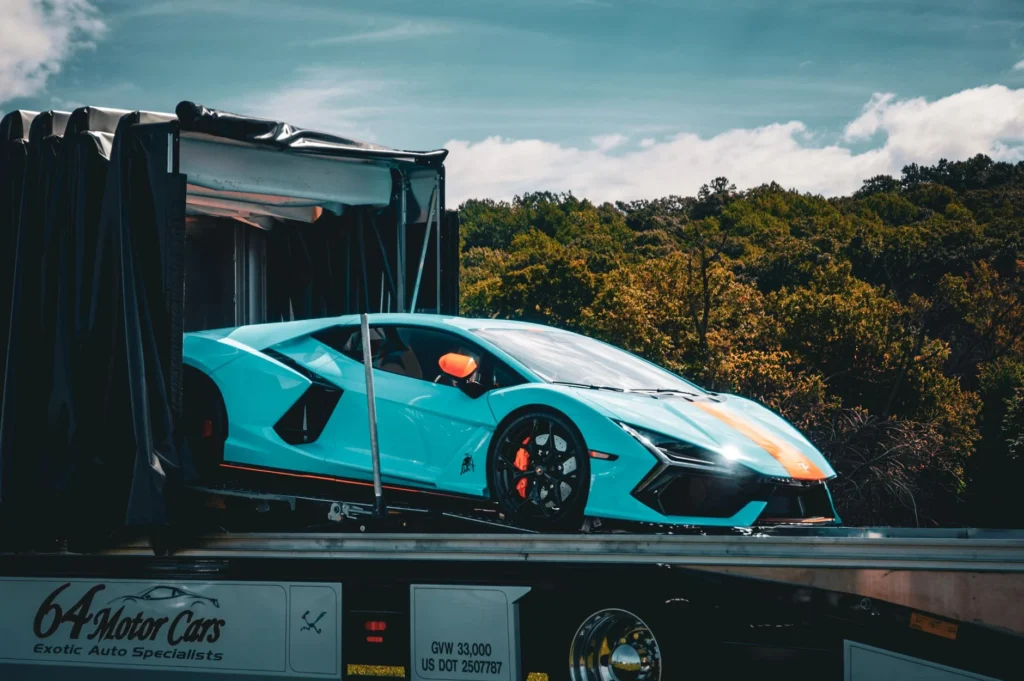
| 🔒 | Enclosed Transport (Premium) | Add $300 – $750 | For luxury, classic, or custom vehicles. |
| ⚡ | Expedited Shipping | Add $250 – $600 | Faster pick-up/delivery, less flexible. |
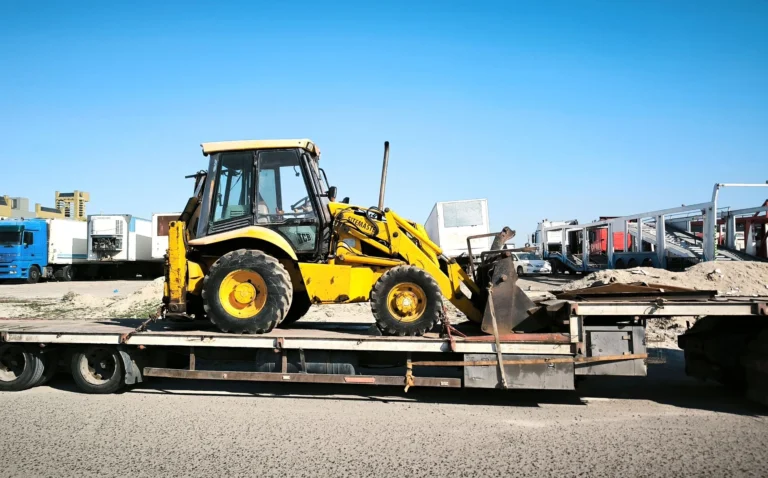
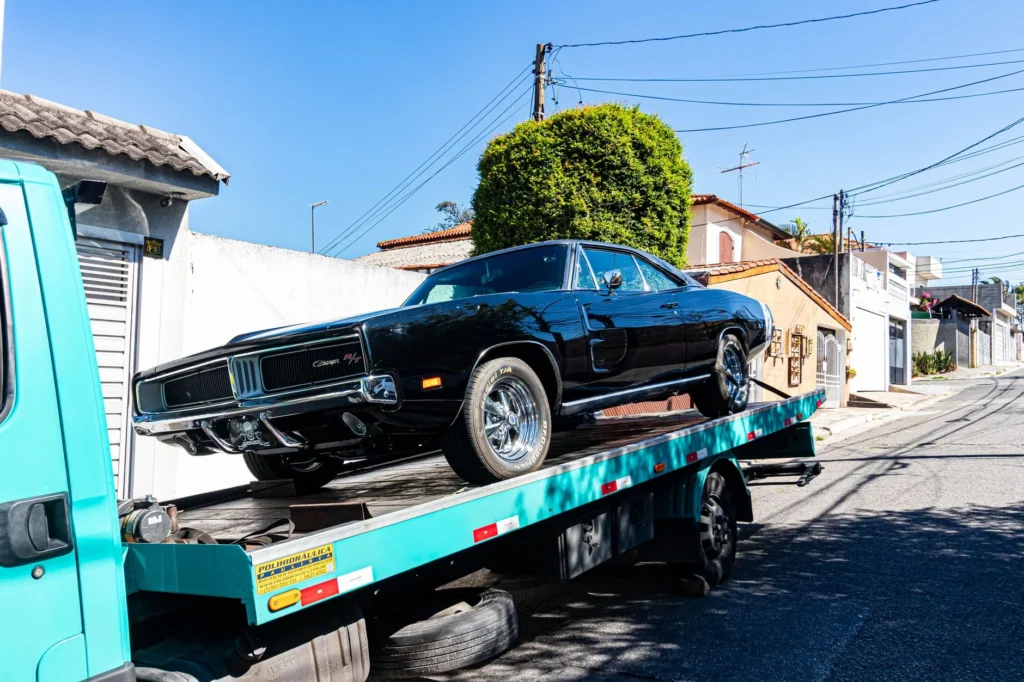
| ⚙️ | Non-Operational Vehicle | Add $175 – $450 | Requires specialized equipment (winch). |
| 💸 | TOTAL (Typical Long-Distance Open Transport) | $1,200 – $2,300 | Represents the full cost for a standard car, long route. |
Factors Influencing Your 2026 Transport Cost
Several elements will shape the final price you pay for auto transport. Distance and location are primary considerations; longer routes naturally cost more, and less popular routes can sometimes incur higher prices due to limited carrier availability. The type of vehicle also matters – larger trucks or SUVs typically cost more to ship than compact cars due to weight and space requirements. Opting for enclosed transport, which offers greater protection from the elements and road debris, comes at a premium compared to standard open-carrier shipping. Seasonality plays a role too, with higher demand during peak moving seasons (like summer or specific holidays) potentially driving prices up. Finally, fuel prices remain a constant variable, directly impacting carrier operational costs.
Smart Choices to Save on 2026 Auto Shipping
Booking in advance is one of the easiest ways to potentially save money. Carriers plan their routes, and last-minute bookings often come with a surcharge. Being flexible with your pick-up and delivery dates can also lead to better rates, as it allows the transport company to fit your vehicle into an optimal route. If your vehicle isn’t a luxury or classic model, choosing open transport is almost always more cost-effective than enclosed options. Always remove personal items from the vehicle before shipping; many companies have strict rules against it, and it can reduce weight, sometimes saving a small amount. Lastly, and critically, compare quotes from at least three reputable auto transport brokers or carriers. This simple step can uncover significant price differences for the exact same service.
Frequently Asked Questions (FAQ)
How far in advance should I book auto transport for 2026?
For the best rates and guaranteed scheduling, aim to book your auto transport 2 to 4 weeks prior to your desired pick-up date. During peak seasons, even earlier booking is advisable.
Is enclosed transport worth the extra cost for any vehicle?
Enclosed transport is generally recommended for high-value vehicles like classic cars, luxury sedans, custom builds, or exotic models. For standard daily drivers, the additional cost might not be justified unless extreme weather protection is a primary concern.
Can I ship personal items inside my car?
Most auto transport companies strongly advise against shipping personal belongings inside your vehicle. It can complicate insurance coverage, increase the vehicle’s weight (potentially raising the cost), and items may shift and cause damage. Always check with your chosen provider for their specific policy, but it’s generally best to ship only the car itself.

Images sourced from Pexels.