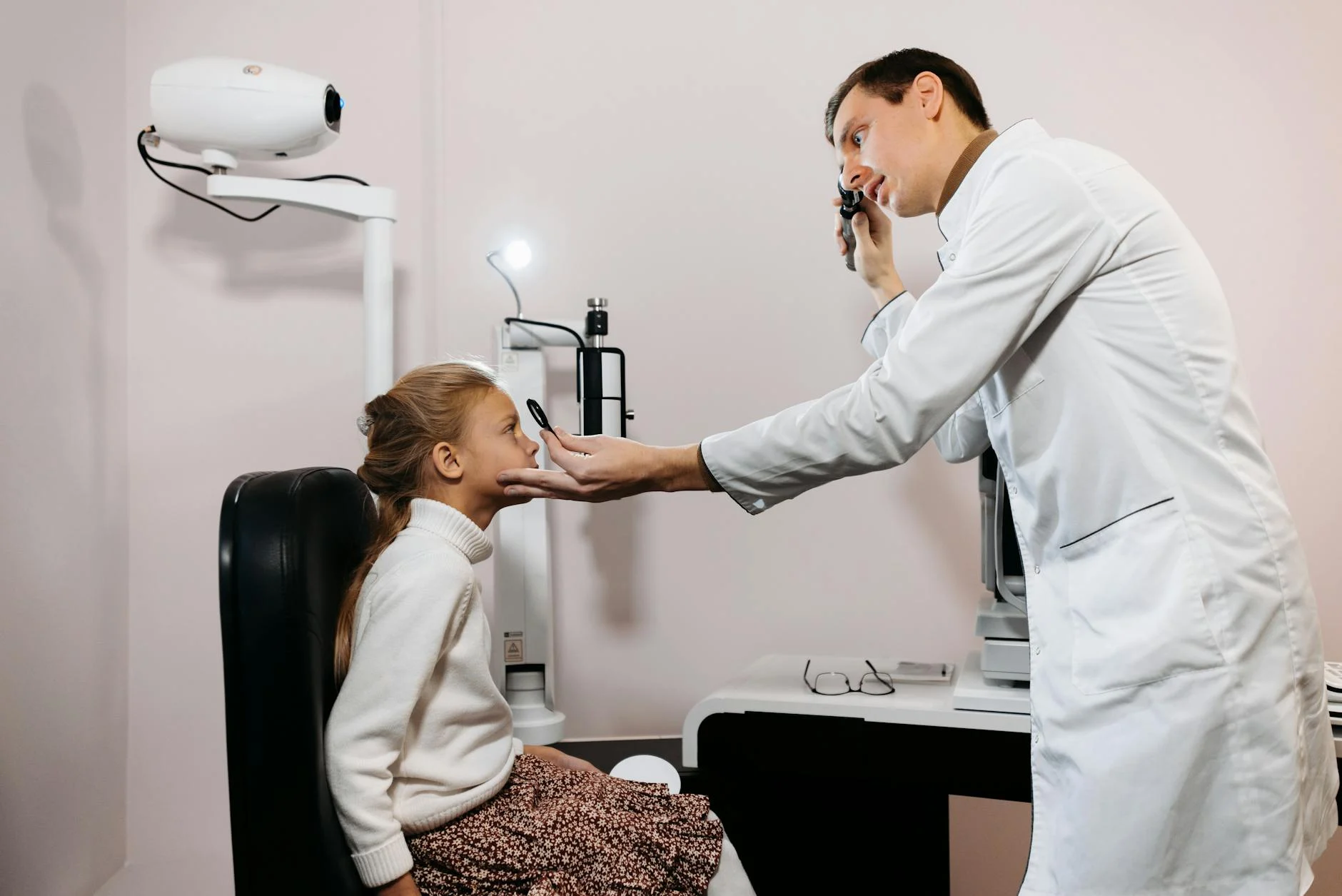
The Real Cost of Cataract Surgery: A Current Guide
Cataract surgery is a common, often life-changing procedure that restores clear vision for millions. But before you can enjoy a sharper world, understanding the financial side is key. Many people get sticker shock when they first look at the price tag, and it’s not always clear what’s included and what’s extra.
The truth is, there isn’t one single price for cataract surgery. Costs can swing wildly depending on where you live, the surgeon you choose, the facility, and the specific technology used. This guide breaks down the latest estimated expenses, helping you navigate the process with a clearer picture of what to expect.
Price Table
| Item/Service | Estimated Range (USD) | Notes | |
|---|---|---|---|
| 👁️ | Initial Consultation/Exam | $100 – $400 | Required for diagnosis, eye health assessment, and pre-op planning. |
| 🔬 | Pre-operative Testing | $150 – $600 | Includes essential eye measurements (biometry) and general health checks. |
| 🔪 | Cataract Removal (Per Eye) | $3,000 – $7,000 | Base procedure with a standard monofocal intraocular lens (IOL). |
| 💡 | Premium IOLs (Upgrade) | +$1,500 – +$4,000 | Toric (astigmatism), multifocal, or extended depth of focus lenses. This is an added cost per eye. |
| 🏥 | Facility Fees | $500 – $2,000 | Covers the use of the surgical center or hospital operating room. |
| 🩺 | Anesthesia | $300 – $800 | Fees for the anesthesiologist and monitored sedation or local anesthesia. |
| 💊 | Post-operative Medications | $50 – $200 | Includes eye drops (antibiotics, anti-inflammatory) crucial for healing. |
| 🗓️ | Follow-up Appointments | $100 – $400 | Typically several visits in the weeks and months following surgery. |
| TOTAL | $4,000 – $15,000+ |
Disclaimer: Prices are current estimates and vary significantly based on geographic location, surgeon’s experience, type of facility, and specific lens choices. Insurance coverage plays a major role in what you actually pay out-of-pocket.
For most people, health insurance will cover a significant portion of cataract surgery, especially the basic procedure with a standard monofocal lens. However, premium intraocular lenses (IOLs) like toric (for astigmatism) or multifocal lenses (for near and far vision) are often considered elective upgrades and are typically not fully covered. This can lead to a substantial out-of-pocket expense.
It’s absolutely critical to contact your insurance provider *before* scheduling your surgery. Ask specific questions about your plan’s coverage for cataract removal, facility fees, anesthesia, and any specific IOLs you might be considering. A common mistake is assuming everything will be covered; understanding your benefits, including deductibles, co-pays, and out-of-network costs, can prevent unwelcome surprises.
Premium Lenses: Worth the Extra Cost?
Premium IOLs offer advanced vision correction, potentially reducing or eliminating the need for glasses after surgery. If you have astigmatism or want to see clearly at multiple distances without corrective lenses, these could be a game-changer. But they come at a higher price. Discuss your lifestyle and visual needs thoroughly with your surgeon. They can help you weigh the benefits against the additional cost. Don’t feel pressured, but do understand all your options.
Beyond the Bill: Overlooked Factors
While the direct medical costs are the biggest chunk, remember to budget for other practical elements. This might include transportation to and from appointments, especially on surgery day when you can’t drive. Consider potential time off work for the procedure and initial recovery. While rare, any minor complications could also lead to additional appointments or treatments, so it’s wise to be aware.

Frequently Asked Questions
Is cataract surgery covered by insurance?
Typically, basic cataract removal and the implantation of a standard monofocal lens are covered by most health insurance plans. However, premium lens upgrades (e.g., multifocal, toric) are generally not fully covered and will likely be an out-of-pocket expense. Always confirm with your specific insurance provider.
How can I reduce the cost?
Choosing an in-network provider, discussing payment plans with your clinic, and opting for a standard monofocal lens can help reduce costs. Ask your surgeon if generic versions of post-operative eye drops are an option. Some clinics also offer package deals or discounts if you’re paying fully out-of-pocket.
What’s the biggest variable in the total cost?
The choice of intraocular lens (IOL) is often the biggest cost differentiator, with premium lenses significantly increasing the overall expense. Surgeon’s fees and the facility where the surgery is performed (hospital vs. outpatient surgical center) also play a substantial role.
Images sourced from Pexels.