The Real Cost of HVAC Installation in 2026: What to Budget For
Planning for a new HVAC system installation in 2026 means looking ahead. This isn’t just a comfort upgrade; it’s a significant home investment that impacts your utility bills and property value for years to come. Getting a clear picture of potential expenses is crucial for smart budgeting.
From high-efficiency heat pumps to traditional central air, the options are plentiful, and so are the cost variables. Material availability, regional labor rates, and the complexity of your home’s existing setup all play a role. Let’s break down what you should expect to allocate funds for.
Price Table
| Item/Service | Estimated Range (USD) | Notes | |
|---|---|---|---|
| ⚙️ | HVAC Unit (Furnace, AC, or Heat Pump) | $4,500 – $12,000+ | Varies significantly by system type (split, package, heat pump), brand, and efficiency rating (e.g., SEER/HSPF). |
| 🛠️ | Installation Labor | $1,500 – $4,000 | Includes professional installation, system setup, and testing. Can be higher for complex or multi-zone systems. |
| 💨 | Ductwork (New/Repair/Modification) | $800 – $3,500+ | Required if existing ducts are damaged, inefficient, or if installing a new system where none existed. |
| 🌡️ | Thermostat (Standard/Smart) | $150 – $600 | Basic digital thermostats are on the lower end; smart, Wi-Fi-enabled models with advanced features are higher. |
| ⚡ | Electrical Upgrades | $300 – $1,500 | Newer, more powerful systems might require electrical panel upgrades or dedicated circuits. |
| 📜 | Permits & Inspections | $100 – $500 | Mandatory in most areas to ensure safety and code compliance. Costs vary by municipality. |
| ♻️ | Old Unit Removal & Disposal | $100 – $400 | Environmentally responsible disposal of refrigerant and old equipment. |
| 📄 | Warranty & Maintenance Plan | $300 – $800 | Initial year of an extended warranty or a basic preventative maintenance agreement. |
| TOTAL | $7,750 – $25,300+ | *Disclaimer: These ranges are estimates for 2026. Actual costs will vary significantly based on your specific location, chosen contractor, system specifications, and the unique demands of your home. Always get multiple quotes.* |
Key Factors Influencing Your HVAC Bill
System Type and Efficiency
The upfront cost of your HVAC unit is often the largest component. High-efficiency heat pumps, while more expensive initially, can lead to substantial long-term savings on energy bills. Systems with higher SEER (Seasonal Energy Efficiency Ratio) or HSPF (Heating Seasonal Performance Factor) ratings typically come with a higher price tag but offer better performance and lower operational costs over time.
Home Specifics and Existing Infrastructure
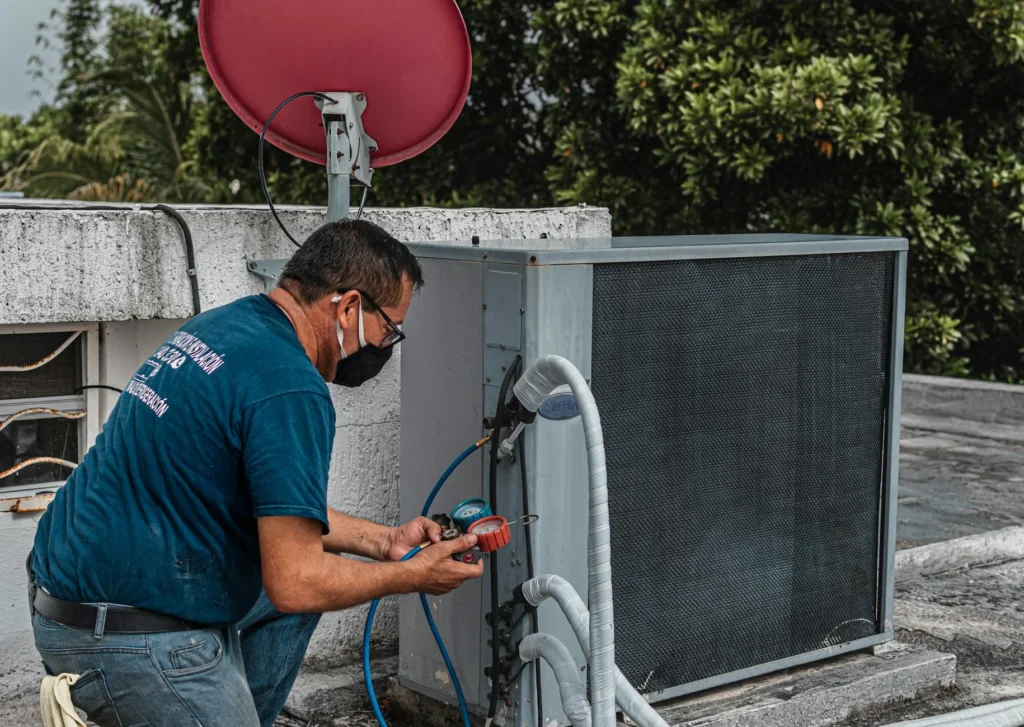
Is this a replacement in a modern home, or are you upgrading an older property? Installing a new system in a home without existing ductwork, for instance, adds significant cost. Similarly, if your electrical panel isn’t up to the task of powering a more robust unit, you’ll need upgrades. A common mistake people make is not having a thorough assessment of their current setup before getting quotes, leading to unexpected costs later.
Local Labor Rates and Provider
HVAC installation costs are highly regional. Labor rates can fluctuate widely from one city or state to another. Reputable contractors, while sometimes pricier, often provide superior workmanship, better warranties, and peace of mind. Getting at least three detailed quotes allows you to compare not just price, but also the scope of work and the proposed equipment.
Smart Strategies for Managing Costs
Even with an essential home upgrade like HVAC, there are ways to be budget-savvy.
- Explore Rebates and Incentives: Federal, state, and local governments, as well as utility companies, often offer significant rebates or tax credits for installing energy-efficient HVAC systems. Don’t overlook these; they can shave hundreds, even thousands, off your total cost.
- Consider Financing Options: Many HVAC providers offer financing plans, sometimes with promotional interest rates. While convenient, always scrutinize the terms and interest rates to ensure it’s a financially sound decision for you.
- Prioritize Needs vs. Wants: A basic, efficient system might be perfectly adequate, while the top-tier, smart home-integrated model might offer features you don’t truly need, driving up the price unnecessarily.
Common Questions About HVAC Installation in 2026
How long does an HVAC installation typically take?
For a standard central air or furnace replacement, you can expect the job to take 1 to 3 days. More complex installations, such as adding new ductwork or a multi-zone system, might extend to a week or more.
Will a new HVAC system save me money on utility bills?
Almost certainly. If you’re upgrading from an older, inefficient unit, a new, properly sized and installed HVAC system will be far more energy-efficient. This translates directly into lower monthly heating and cooling costs, though the exact savings depend on your climate, usage, and the efficiency of your new unit.
Images sourced from Pexels.