The Real Cost of Kitchen Remodeling in 2026: What to Expect
Planning a kitchen remodel in 2026? It’s a significant investment, often ranking among the most impactful home improvements. With material costs and skilled labor rates continuing to fluctuate, understanding the financial landscape is more crucial than ever. A well-planned budget isn’t just a suggestion; it’s your best defense against unexpected expenses.
Before you dive into design choices and material selections, take a moment to grasp the potential expenditures involved. From permits to final touches, every element contributes to the overall cost. Our goal is to equip you with realistic expectations and practical insights, helping you make informed decisions that align with your vision and your wallet.
Price Table
Below is a breakdown of estimated kitchen remodeling costs for 2026. Keep in mind these are broad ranges; actual costs will vary significantly based on your location, chosen materials, contractor, and the complexity of your project.
| Item/Service | Estimated Range (USD) | Notes | |
|---|---|---|---|
| 🔨 | Demolition | $500 – $3,000 | Removing old cabinets, countertops, flooring. Varies by size and complexity. |
| ✏️ | Design Services | $2,000 – $15,000+ | From basic layout consultation to full architectural plans. May be an hourly or project fee. |
| 🧸 | Cabinetry | $5,000 – $35,000+ | Stock, semi-custom, or custom options. Material (MDF, plywood, solid wood) is a major factor. |
| 🧱 | Countertops | $2,000 – $10,000+ | Laminate, butcher block, quartz, granite, marble. Price per square foot varies widely. |
| 🏠 | Flooring | $1,500 – $7,000 | Tile, hardwood, LVP. Installation labor often included in contractor bids. |
| 💡 | Lighting & Electrical | $1,000 – $5,000 | Fixtures, outlets, new wiring, LED upgrades. More complex layouts cost more. |
| 💧 | Plumbing | $800 – $4,000 | Sink installation, faucet replacement, gas lines. Major re-routing drives up costs. |
| 🥬 | Appliances | $4,000 – $25,000+ | Entry-level to high-end professional models. Consider energy efficiency. |
| 👷 | Installation Labor | $7,000 – $20,000+ | General contractor and skilled tradespeople. Can be 20-40% of overall project. |
| 📄 | Permits & Inspections | $300 – $1,500 | Mandatory for most structural, electrical, or plumbing changes. Essential for safety and resale. |
| 💰 | Contingency Fund | 10% – 20% of Total | Crucial for unexpected issues like rotten subfloors, outdated wiring, or minor changes. |
| 💲 | TOTAL (Estimated) | $26,510 – $150,600+ | This broad range reflects low-end cosmetic updates to high-end, full gut renovations, including contingency. |
Understanding What Drives Up Costs
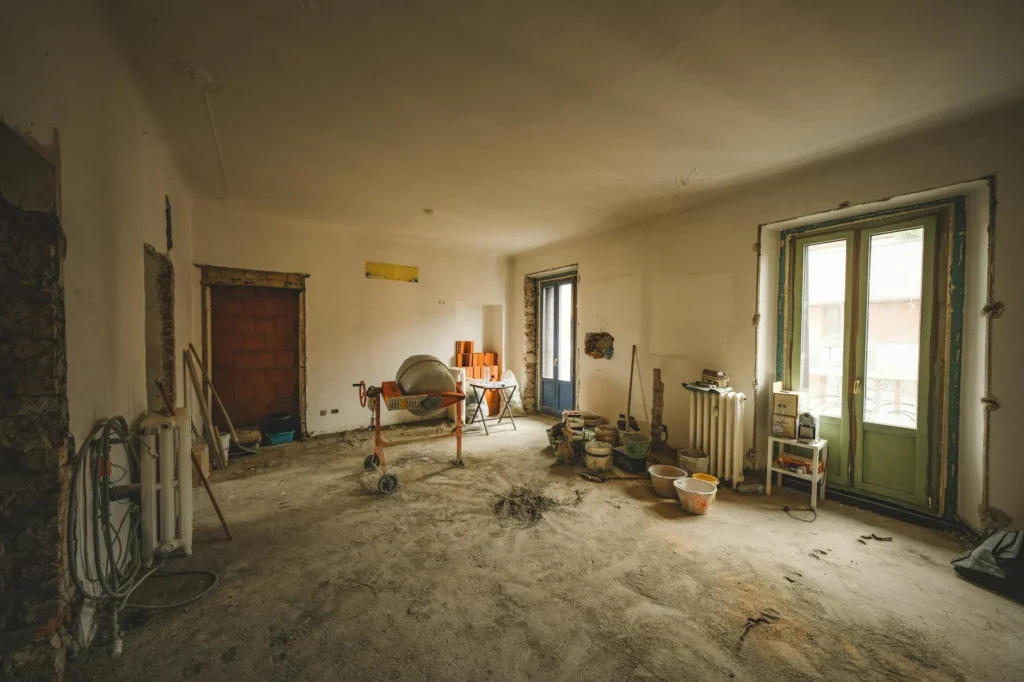
It’s easy to get caught up in the excitement of new finishes, but remember that several factors heavily influence your bottom line. Material quality is a big one: premium stone countertops or custom-built cabinetry will naturally carry a higher price tag than their stock or laminate counterparts. Structural changes, like moving load-bearing walls or significantly re-routing plumbing, can quickly add thousands. One common mistake people make is underestimating the cost and time involved in these “behind the walls” changes. Always account for them.
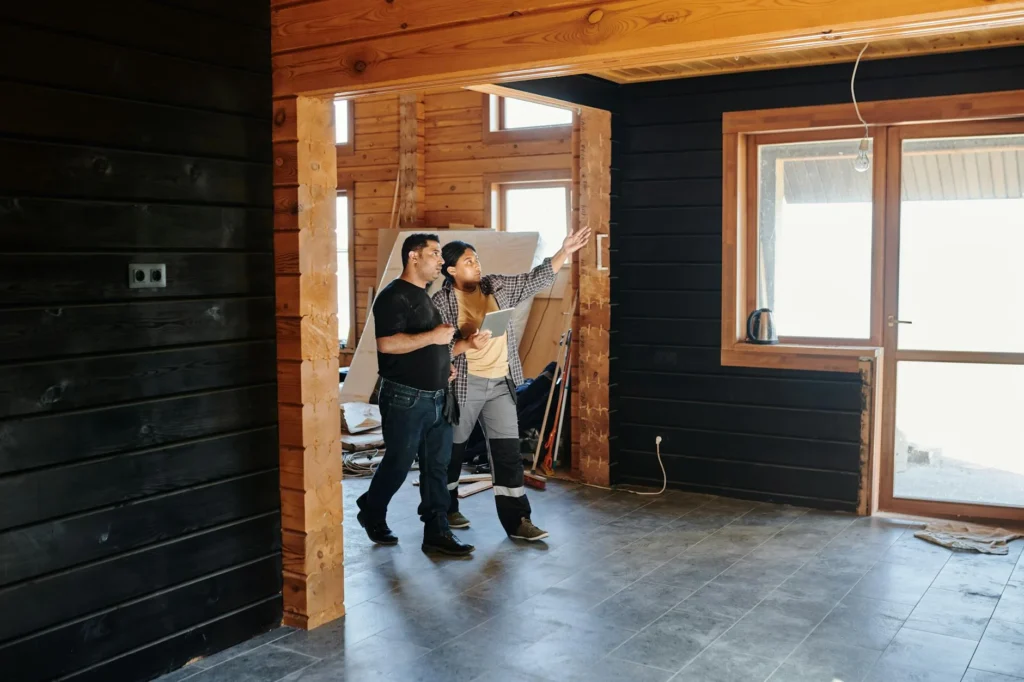
Labor rates also play a significant role. Highly skilled tradespeople in urban or high-demand areas will command higher hourly rates than those in rural regions. Don’t just look for the cheapest bid; a reputable contractor with proper licensing and insurance is an investment in a smooth, high-quality outcome.
Smart Savings Strategies for 2026
Even with rising costs, you can still achieve a stunning kitchen without breaking the bank. The biggest saver? Keeping your existing kitchen layout. Moving plumbing or electrical lines adds considerable expense. Refacing cabinets instead of fully replacing them can also offer a fresh look at a fraction of the cost. Another tip: consider doing minor tasks yourself, like painting or demolition, if you have the skills and time. Just be realistic about your capabilities; rushing a DIY job can lead to costly re-dos.
Prioritize your splurges. If a professional-grade range is a must-have, perhaps balance it with more affordable flooring or a simpler backsplash. Shopping sales for appliances or looking at remnant pieces for countertops can also yield significant savings without sacrificing quality.
FAQ
How long does a kitchen remodel typically take in 2026?
A full kitchen remodel in 2026 can take anywhere from 6 weeks for a small cosmetic update to 4-6 months (or more) for a major renovation involving layout changes, depending on contractor availability, material lead times, and project complexity.
Is it worth remodeling for resale value in 2026?
Generally, yes. Kitchens are consistently cited as one of the best rooms to remodel for return on investment. Buyers in 2026 still highly value modern, functional kitchens. However, over-improving for your neighborhood can negate that return, so aim for finishes that align with local market expectations.
What’s a reasonable contingency budget percentage?
For kitchen remodels in 2026, a contingency fund of 10-20% of your total project cost is highly recommended. This buffer is crucial for addressing unforeseen issues that inevitably arise once walls are opened up, or for minor design tweaks during the process.
Images sourced from Pexels.