The Real Cost of Swimming Pool Installation in 2026
Dreaming of a backyard oasis by 2026? A swimming pool is more than just a place to cool off; it’s a significant investment that enhances your property’s appeal and offers endless recreation. But before you dive into visions of crystal-clear water, it’s crucial to understand the financial commitment involved in bringing that dream to life.
Building a new pool in 2026 involves various components, from excavation and materials to permits and finishing touches. Prices can fluctuate wildly based on location, contractor, chosen materials, and the complexity of your design. This guide will help you navigate the expected costs, ensuring your budget is as solid as your future pool.
Price Table
| Item/Service | Estimated Range (USD) | Notes | |
|---|---|---|---|
| ⛏️ | Excavation & Site Preparation | $5,000 – $15,000 | Includes digging, dirt removal, and leveling the area. Costs vary with soil type and access. |
| 🏗️ | Pool Shell (Fiberglass/Vinyl/Concrete) | $20,000 – $80,000+ | Varies significantly by material (fiberglass is generally quicker to install, concrete offers customization but is costlier). |
| 💧 | Liner/Interior Finish | $5,000 – $25,000+ | Vinyl liner replacement, plastering, or specialty finishes like aggregate or tile. |
| ⚙️ | Filtration & Pump System | $3,000 – $10,000 | Includes pump, filter, heater (if chosen), and necessary plumbing. Efficiency models may cost more upfront. |
| 🧱 | Decking & Patio | $10,000 – $30,000+ | Concrete, pavers, or natural stone around the pool. Size and material dictate price. |
| ⚡ | Electrical Work | $2,000 – $7,000 | Hooking up the pump, lighting, and any other electrical features safely. |
| 🌊 | Water Fill | $500 – $2,000 | Initial filling of the pool, either from your municipal supply or delivered by truck. |
| 🛡️ | Fencing & Safety Cover | $3,000 – $10,000 | Required by most local codes. Options range from basic chain link to ornamental iron. |
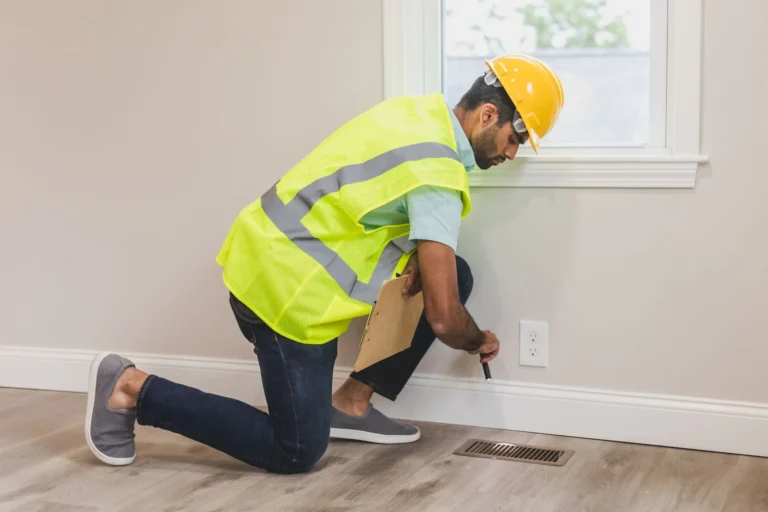
| 📄 | Permits & Inspections | $500 – $2,500 | Mandatory local permits and associated inspections. Varies by municipality. |
| 🌳 | Landscaping Restoration | $2,000 – $8,000 | Repairing disturbed areas around the pool, seeding, or basic planting. |
| ✨ | Optional Features (Heater, Lighting, Automation) | $5,000 – $25,000+ | Luxuries like automatic covers, elaborate lighting, waterfalls, smart home integration, or salt chlorinators. |
| 🧽 | Maintenance Starter Kit | $300 – $1,000 | Basic cleaning tools, chemicals, and testing strips to get started. |
| 💲 | TOTAL ESTIMATED COST | $56,300 – $216,500+ | Please note: These ranges are illustrative for 2026 and can vary significantly based on your region, chosen contractor, quality of materials, and pool size/features. Always secure multiple quotes for accurate local pricing. |
Key Factors Influencing Your Pool’s Price Tag
Several elements will steer your pool project’s final cost. The primary driver is the type of pool: vinyl liner pools are generally the most affordable, followed by fiberglass, with custom concrete (gunite/shotcrete) pools being the most expensive due to their flexibility in design and longer installation time. Size and depth also play a huge role; a larger, deeper pool requires more materials and labor. Furthermore, site accessibility can impact excavation costs—if heavy machinery has limited access, manual labor will increase the price. Don’t forget optional features; a simple rectangle is far less expensive than a freeform design with waterfalls, integrated spas, and smart heating systems. A common mistake people make is only budgeting for the pool itself and forgetting about the surrounding deck or landscaping.
Beyond the Initial Build: Hidden Costs to Consider
The sticker price of installation is just the beginning. In 2026, prospective pool owners must also budget for ongoing expenses. These include utility costs for electricity (pump, heater), water refills, and chemicals. Maintenance, whether DIY or professional, is a recurring charge. You’ll also need to factor in increased homeowner’s insurance premiums for liability coverage. Long-term, be prepared for potential repairs and equipment upgrades, which might include replacing a pump or filter system every 7-15 years, or resurfacing a concrete pool every decade.
Smart Savings Strategies for 2026 Pool Buyers
To keep your pool budget in check, consider scheduling your installation during the off-season, typically late fall or winter. Contractors often have more availability and may offer better rates. Researching and obtaining at least three detailed quotes from reputable builders is crucial—don’t just compare the bottom line, but understand what each quote includes. Opting for a standard size and shape can also save thousands. Finally, explore options for handling some of the less specialized work yourself, like final landscaping or fence painting, if you have the skills and time.
Frequently Asked Questions
Q1: How long does a pool installation typically take in 2026?
Installation times vary greatly by pool type. A fiberglass pool might be installed in 2-4 weeks, while a vinyl liner pool typically takes 4-8 weeks. Custom concrete pools, due to their intricate design and curing processes, can take anywhere from 8 to 16 weeks or even longer.
Q2: Are permits always required for a new pool?
Yes, almost all municipalities require permits for new swimming pool construction to ensure safety and compliance with local building codes. Failing to obtain the necessary permits can lead to fines, construction delays, or even the forced removal of your pool.
Q3: What’s the biggest cost difference between pool types?
The pool shell and its interior finish represent the largest cost differentiator. Fiberglass pools offer quicker installation and lower long-term liner costs, but have limited shapes. Concrete pools offer unlimited customization but are the most expensive upfront and require more maintenance over their lifespan compared to fiberglass or vinyl.
Images sourced from Pexels.