Solar Panel Installation Costs 2026: Your Real Cost Guide
By 2026, solar energy has become an increasingly accessible and efficient option for homeowners looking to reduce their carbon footprint and electricity bills. Advances in panel technology and streamlined installation processes mean generating your own clean power is more practical than ever before.
Understanding the true cost, however, requires looking beyond just the panels. This guide breaks down the typical expenses involved in a complete solar panel system installation, giving you a realistic picture to plan your investment for the year ahead.
Price Table
| Item/Service | Estimated Range (USD) | Notes | |
|---|---|---|---|
| ☀️ | Solar Panels (Monocrystalline/Polycrystalline) | $10,000 – $25,000 | Cost varies by system size (e.g., 6kW-12kW), panel efficiency, and brand. |
| ⚡ | Inverter (String/Microinverters) | $2,000 – $6,000 | Essential for converting DC to AC power. Microinverters are generally at the higher end. |
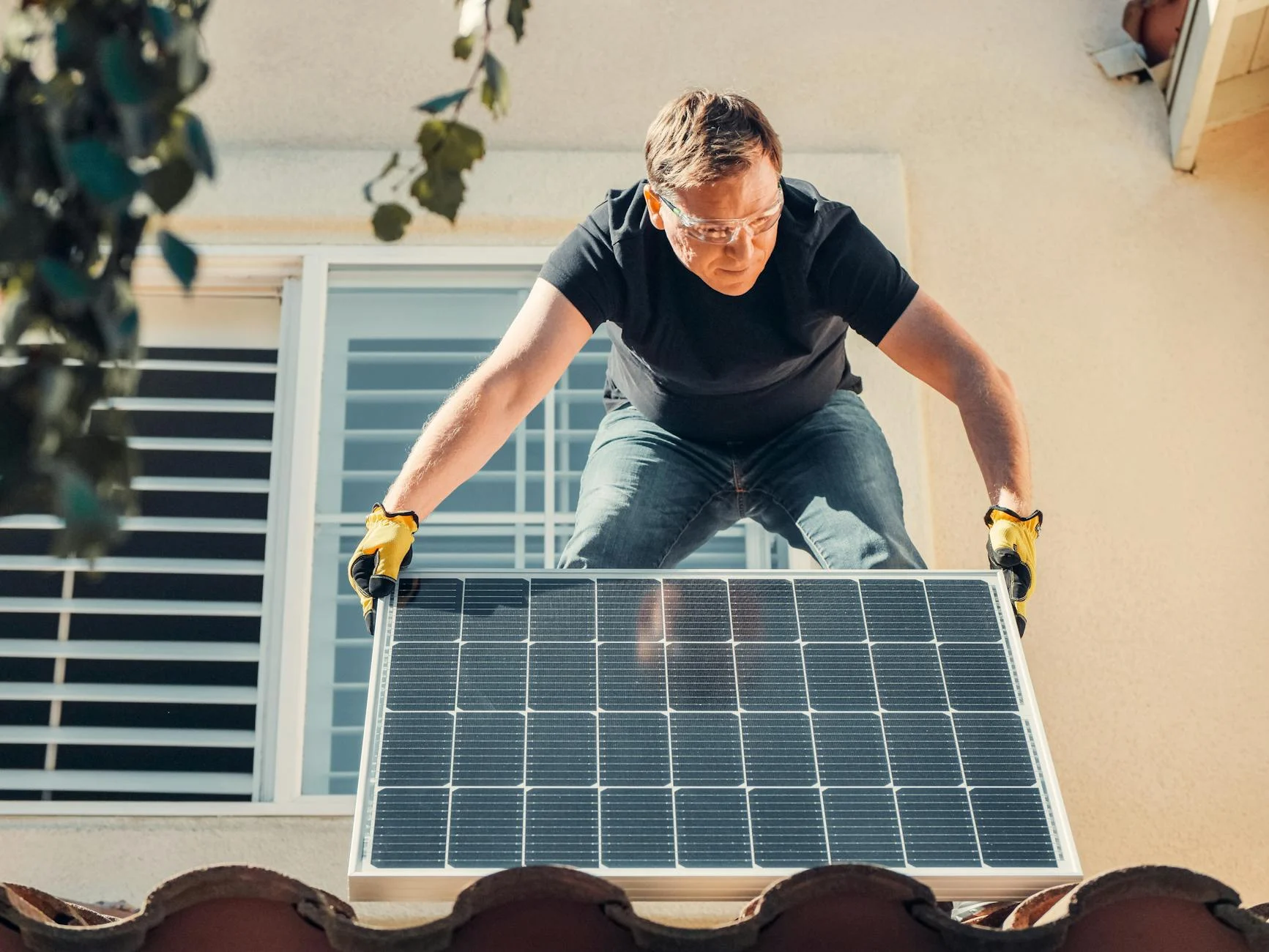
| 🏗️ | Mounting Hardware & Racking | $1,000 – $3,000 | Secures panels to the roof. Complexity depends on roof type and angle. |
| 🔌 | Wiring & Electrical Components | $500 – $1,500 | All necessary cables, conduits, and electrical upgrades for integration. |
| 👷 | Labor (Installation) | $4,000 – $10,000 | Professional crew for system assembly, wiring, and commissioning. Varies by region and roof complexity. |
| 📝 | Permits & Inspection Fees | $300 – $1,500 | Required by local authorities to ensure safety and code compliance. Highly region-dependent. |
| 🔋 | Battery Storage (Optional but Recommended) | $8,000 – $20,000+ | For energy independence and backup power. Cost depends on capacity and brand. |
| 📊 | System Monitoring & Software | $200 – $800 | Tracks performance, usually included in installation, but can be a separate line item. |
| 🧹 | Post-Installation Clean-up & Testing | $100 – $500 | Final checks, system activation, and site clean-up. Often bundled. |
| TOTAL (Estimated) | $26,100 – $68,300+ | These ranges reflect typical residential systems. Your specific cost will vary based on system size, chosen components, provider, and geographical location. |
Factors Influencing Your Final Bill
Several elements play a significant role in determining your ultimate solar investment. The most obvious is the system size – larger homes or higher energy consumers will naturally need more panels and a bigger inverter, driving up the cost. The type and efficiency of the solar panels also matter; premium monocrystalline panels often cost more upfront but can offer better performance in limited space.
Consider your roof complexity. Steep roofs, multiple angles, or older roofing materials can increase labor time and special equipment needs. And don’t forget battery storage: while an excellent addition for energy resilience, it adds a substantial amount to the initial outlay. Lastly, local and federal incentives or rebates in 2026 can significantly offset your costs, so always research what’s available in your area.
Getting multiple quotes is crucial. Don’t settle for the first offer; aim for at least three comprehensive proposals from reputable installers. Scrutinize what’s included in each: Are permits covered? What about specific inverter models? A common mistake people make is focusing solely on the lowest sticker price without understanding the warranty terms or the installer’s reputation. A cheap system with poor customer service or a short warranty can cost you more in the long run.
The Payback Period
While the upfront cost of solar is an investment, remember to think about the long-term savings. The “payback period” refers to how long it takes for your energy savings to equal the initial installation cost. This period often shortens with rising electricity rates and favorable incentives. Many homeowners overlook how solar can also significantly increase their property value, often by more than the cost of the system itself, making it a sound financial upgrade.
Frequently Asked Questions
Do solar panels really increase home value?
Yes, studies consistently show that homes equipped with owned solar panel systems sell for a premium and often faster than comparable non-solar homes. It’s seen as a valuable upgrade.
How long do solar panels last in 2026?
Modern solar panels typically come with a 25-30 year performance warranty, guaranteeing a certain output level. The physical panels themselves can often last much longer, sometimes 30-40 years, with minor degradation.
What about maintenance?
Solar panel systems are surprisingly low maintenance. Regular cleaning (once or twice a year, often with just water) is usually sufficient. It’s a good idea to have an annual system check by a professional to ensure everything is operating optimally.
Images sourced from Pexels.