Hardwood vs. Tile: The Current Real Cost of Flooring Explained
Deciding between hardwood and tile flooring isn’t just about aesthetics; it’s a significant financial commitment. While both options elevate a home’s look and value, their true costs extend far beyond the initial price tag. Understanding these current financial implications is crucial for making a smart, long-lasting investment.
Many homeowners focus solely on material costs, overlooking labor, subfloor preparation, specialized tools, and long-term maintenance. Skipping due diligence here can lead to budget overruns and unexpected headaches. Let’s break down what you can realistically expect to pay for each option, considering all the hidden corners.
Price Table: Hardwood vs. Tile Flooring
Please note: These are estimated ranges in USD and can vary significantly based on your region, chosen materials (species/grade for hardwood, type/size for tile), installer’s rates, and project complexity. Always get multiple quotes from local professionals.
| Item/Service | Hardwood Estimated Range (USD per sq. ft.) | Tile Estimated Range (USD per sq. ft.) | Notes | |
|---|---|---|---|---|
| 🪵 | Material Cost | $3 – $15+ | $1 – $10+ | Higher-end options (exotic wood, designer tile) can exceed these ranges. |
| ⚒️ | Installation Labor | $3 – $10+ | $5 – $15+ | Complex patterns, stairs, or intricate cuts increase labor costs. Includes basic prep. |
| 🧹 | Old Flooring Removal & Disposal | $0.50 – $2 | $0.50 – $2 | Cost varies by old flooring type and disposal fees. Some DIY savings possible. |
| 🩹 | Subfloor Preparation | $1 – $4 | $1 – $5 | Leveling, minor repairs, or installing cement board for tile. Crucial for longevity. |
| 🛠️ | Underlayment / Vapor Barrier | $0.50 – $1.50 | $0.20 – $1 | Essential for moisture control, sound dampening, and subfloor protection. |
| 💦 | Adhesives / Mortar / Grout / Sealant | $0.20 – $1 | $0.50 – $2.50 | Specific to each material. Hardwood requires finishing products; tile needs grout/sealer. |
| ➕ | Miscellaneous (Delivery, Waste, etc.) | $0.50 – $1.50 | $0.50 – $1.50 | Always factor in some extra for unexpected needs or material waste. |
| 💰 | TOTAL (Installation Ready) | $8.70 – $35+ | $8.20 – $37+ | This is your installed, ready-to-use cost per square foot. |
Beyond the Sticker Price: Long-Term Value & Maintenance
The upfront cost is only part of the equation. Hardwood, while potentially pricier initially, offers excellent resale value and can be refinished multiple times, extending its lifespan for decades. This durability can mean lower replacement costs in the very long run. However, it’s more susceptible to scratches and moisture damage, requiring specific cleaning and immediate spill clean-up.
Tile, on the other hand, is incredibly durable and water-resistant, making it ideal for high-traffic areas, kitchens, and bathrooms. It’s generally easier to clean and maintain, resisting dents and scratches. The main long-term cost might be regrouting or replacing individual damaged tiles. It doesn’t offer the refinishing option of hardwood, but its inherent hardiness often means less fuss over time.
DIY vs. Professional Installation
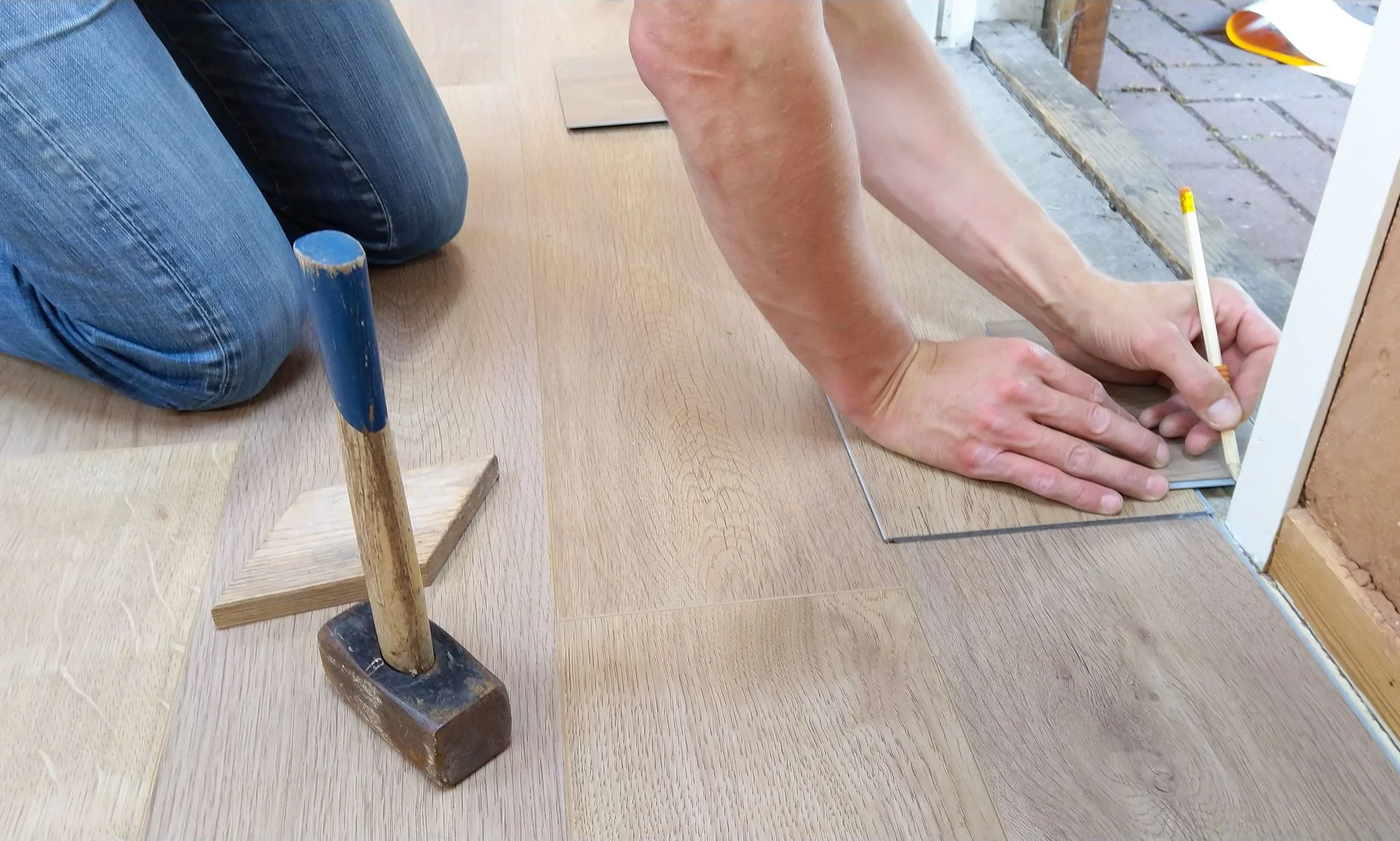
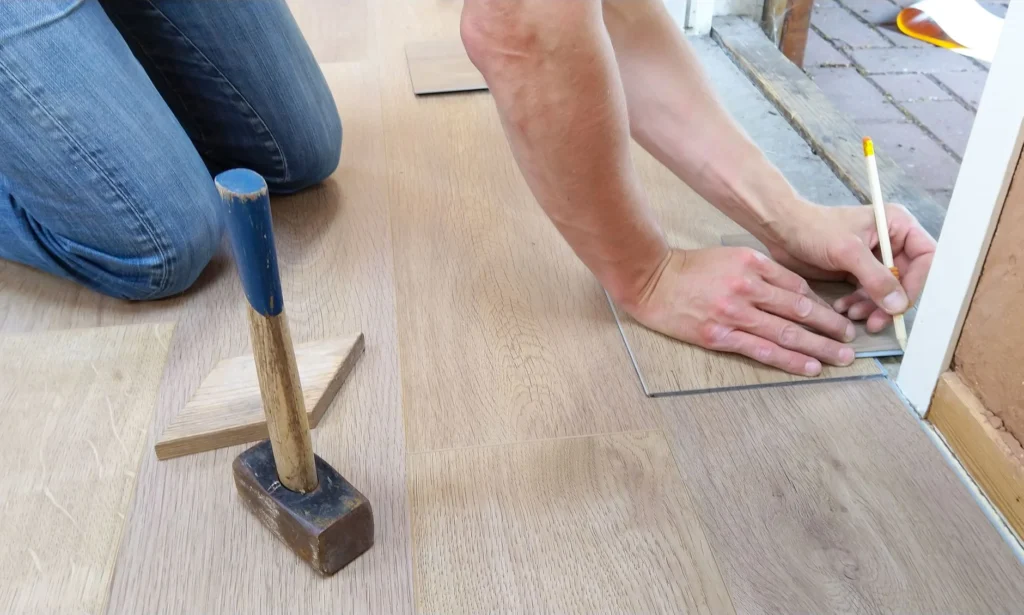
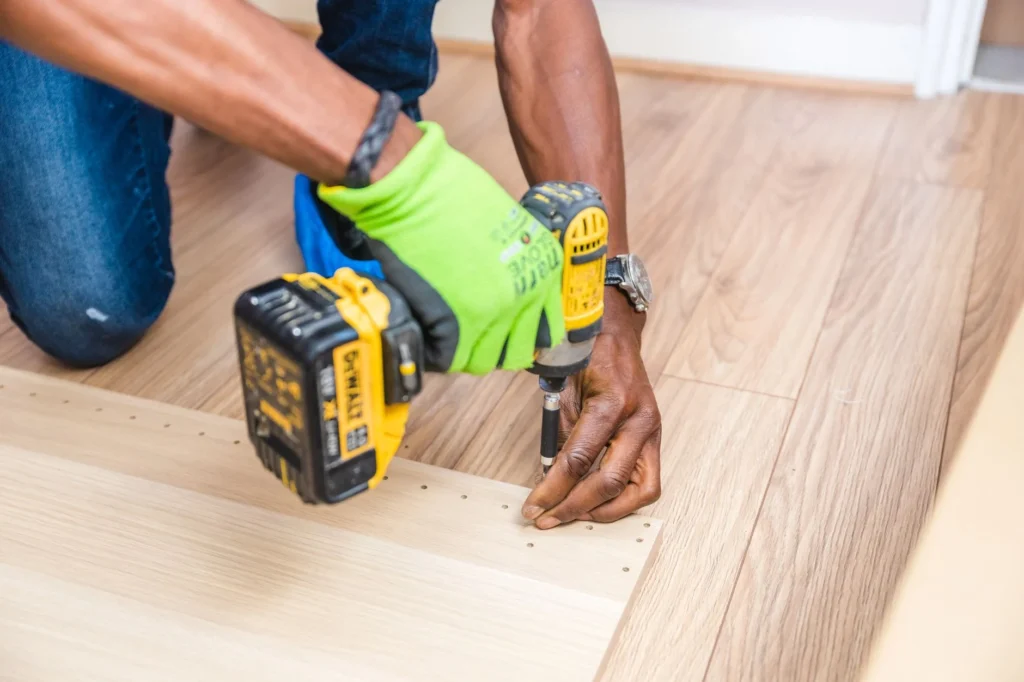
Many homeowners consider DIY to save on installation labor. While possible for experienced handypersons, flooring installation, especially with large areas or complex patterns, is precision work. Poor installation can lead to costly repairs, voided warranties, and a less attractive finish. For hardwood, correct acclimation and laying are crucial. For tile, proper subfloor prep, leveling, and grouting are key to avoiding cracks and uneven surfaces. Unless you’re genuinely skilled and have the right tools, professional installation often pays for itself in peace of mind and quality.
FAQs
Which flooring is better for resale value?
Both can add value. Hardwood is often perceived as a premium feature and is highly desirable, especially in living areas and bedrooms. High-quality, well-installed tile, particularly in kitchens and bathrooms, is also a strong selling point due to its durability and clean aesthetic.
What about engineered hardwood or Luxury Vinyl Plank (LVP)?
Engineered hardwood offers the look of solid hardwood with better stability against moisture, often at a slightly lower material cost. LVP is a fantastic, cost-effective alternative to both, offering excellent water resistance and durability with convincing wood or stone visuals. While not covered in detail here, both are worth exploring for different budget and functional needs.
How long do these floorings typically last?
Well-maintained solid hardwood can last 75-100+ years, thanks to its ability to be refinished multiple times. Tile flooring, depending on the type and installation quality, can last 50 years or more, often outliving the home’s occupants.
Images sourced from Pexels.