Solar Panel Installation Cost 2026: Your Updated Guide
Planning to go solar in 2026? It’s a smart move. As technology continues its rapid advancements and global energy demands evolve, investing in solar panels for your home offers significant long-term savings and energy independence. Understanding the costs involved upfront is key to making an informed decision and ensuring your investment pays off for decades.
While the initial outlay can seem substantial, remember that solar is a long-term asset. Prices have seen fluctuations, but overall efficiency has soared. This guide breaks down the typical expenses you can expect in 2026, from panels to permits, helping you budget accurately for a greener, more self-sufficient home.
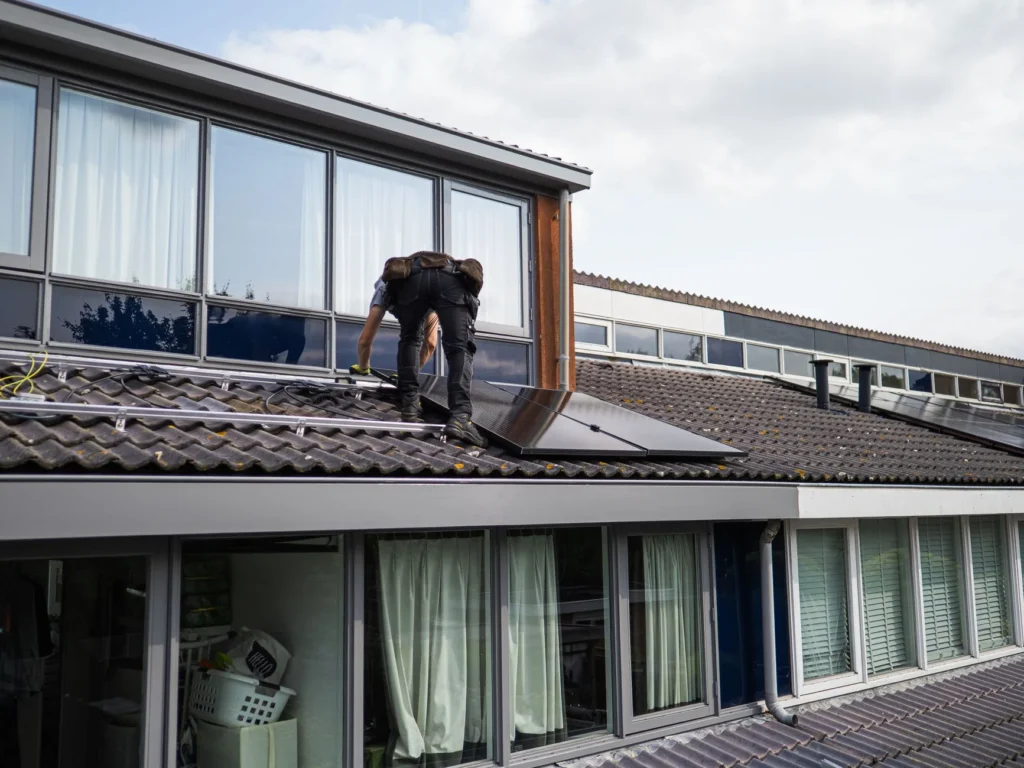
Solar Panel Installation Price Table (2026 Estimates)
Please note: These are estimated ranges for a typical 6-8 kW residential system in 2026. Actual costs will vary significantly based on your specific location, system size, chosen equipment quality, provider, and available regional incentives.
| Item/Service | Estimated Range (USD) | Notes | |
|---|---|---|---|
| ☀️ | Solar Panels (Modules) | $8,000 – $16,000 | Depends on panel type (mono/poly), efficiency, and brand. |
| ⚡ | Inverter (String/Microinverters) | $1,800 – $4,500 | Microinverters are often more expensive but offer panel-level optimization. |
| 🏗️ | Mounting Hardware & Racking | $1,200 – $3,000 | Materials to secure panels to your roof. Flat roofs or complex angles can increase costs. |
| 🔌 | Wiring, Conduits & Electrical Work | $1,500 – $4,000 | Connecting the system to your home’s electrical panel and the grid. |
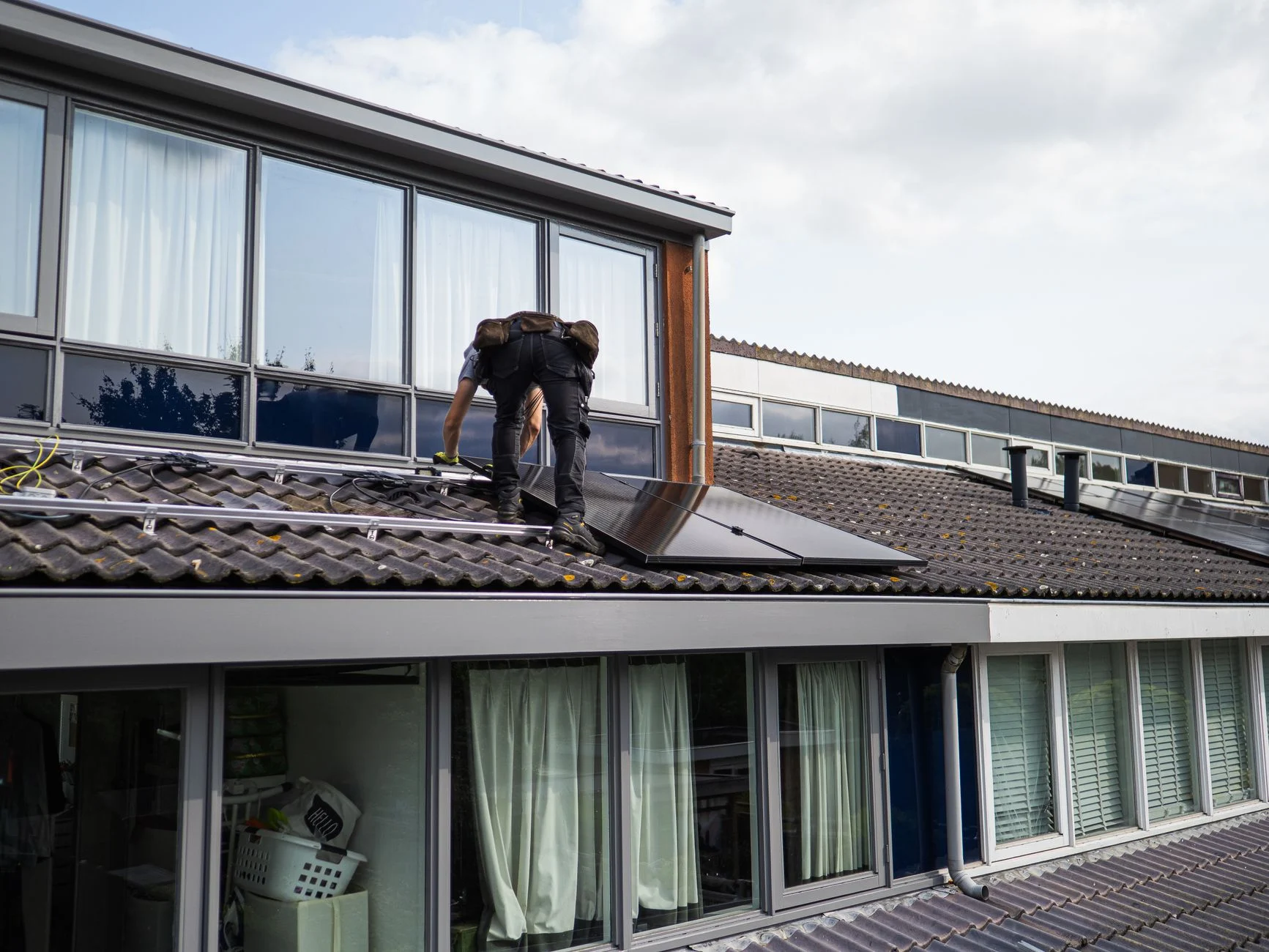
| 👷 | Labor & Installation | $4,000 – $8,000 | Covers technician wages, project management, and structural work. Highly variable by region. |
| 📝 | Permitting & Inspection Fees | $500 – $2,000 | Required by local authorities to ensure safety and code compliance. Varies greatly by municipality. |
| 🔋 | Battery Storage (Optional) | $7,000 – $15,000+ | For energy independence and backup during outages. Highly recommended in many regions by 2026. |
| 📈 | Smart Energy Monitoring System | $300 – $800 | Provides real-time data on energy production and consumption. |
| TOTAL (without battery) | $17,300 – $38,300 | ||
| TOTAL (with battery) | $24,300 – $53,300 |
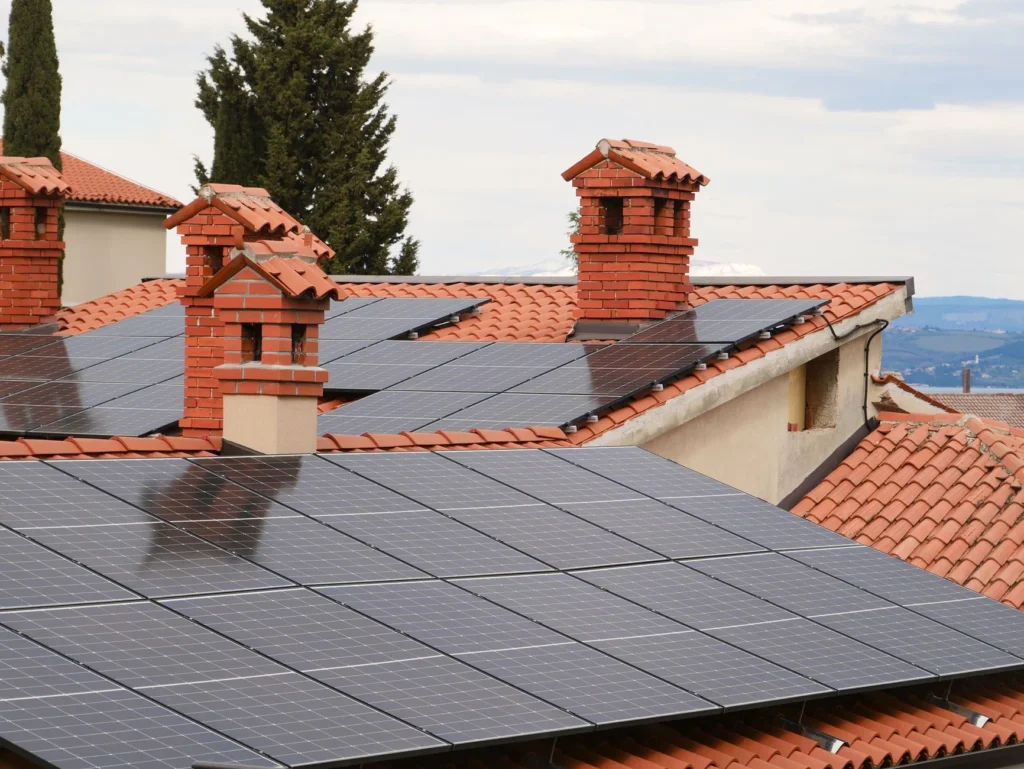
What Influences Your Solar Investment in 2026?
Several factors will push your total cost up or down. Your system’s size, measured in kilowatts (kW), is paramount; a larger home or higher energy usage means more panels and a higher price. The type of panels you choose matters too. Premium, high-efficiency monocrystalline panels often cost more upfront but can generate more power in smaller spaces. Don’t overlook roof condition – sometimes, necessary repairs or structural reinforcement can add unexpected costs, so always get a thorough assessment early on.
Another crucial element is location. Different states or even counties might offer varying incentives, rebates, or tax credits that significantly offset the overall price. Local labor costs also play a role, as do the specific requirements for permits and inspections in your area. Always inquire about all potential local and federal programs available in 2026; you might be surprised by the savings.
Battery Storage: A Smart Investment by 2026
While optional, integrating a battery storage system has become increasingly common and beneficial in 2026. With grid reliability concerns in some areas and the push for greater energy independence, batteries allow you to store excess solar power generated during the day for use at night or during outages. This can drastically reduce your reliance on the grid and provide peace of mind. The cost has become more competitive, and the long-term benefits of energy resilience often outweigh the additional upfront expense, especially if your utility offers time-of-use rates.
Common Mistakes to Avoid
One common pitfall is focusing solely on the lowest upfront price without considering the quality of equipment, installer reputation, or warranty terms. A cheap system with poor performance or a struggling installer can lead to bigger headaches down the line. Always get multiple quotes and thoroughly vet your chosen provider. Another mistake is not fully understanding the available financing options or government incentives. Many homeowners miss out on significant savings because they didn’t explore all federal tax credits or state-specific rebates designed to encourage solar adoption.
Frequently Asked Questions About Solar in 2026
- How long does a typical solar panel installation take?
- From contract signing to flipping the switch, the process usually takes 1-3 months. This includes site assessment, system design, permitting, and the actual physical installation which can be completed in just 1-3 days.
- What kind of maintenance do solar panels require?
- Solar panels are generally low maintenance. An annual cleaning and inspection are often sufficient to ensure optimal performance. Most modern panels come with a 25-year performance warranty.
- Are there still federal incentives for solar in 2026?
- Yes, the federal solar tax credit (Investment Tax Credit or ITC) is still in effect in 2026, offering a significant percentage back on your installation costs. Always confirm the exact percentage for the year with a qualified tax professional.
Images sourced from Pexels.