HVAC Installation Cost 2026: Your Guide to Home Comfort
Setting up for comfortable heating and cooling in your home is a major investment. As we look at 2026, understanding the financial landscape for HVAC installation is key to smart planning and budgeting. This guide breaks down what to expect when you’re ready to upgrade or install a new system.
From choosing the right type of unit to accounting for labor and additional services, various factors will influence your final bill. Being informed beforehand can help you navigate proposals from contractors and ensure you get the best value for your home comfort system. Remember, a common mistake is only focusing on the unit price and overlooking installation complexities.
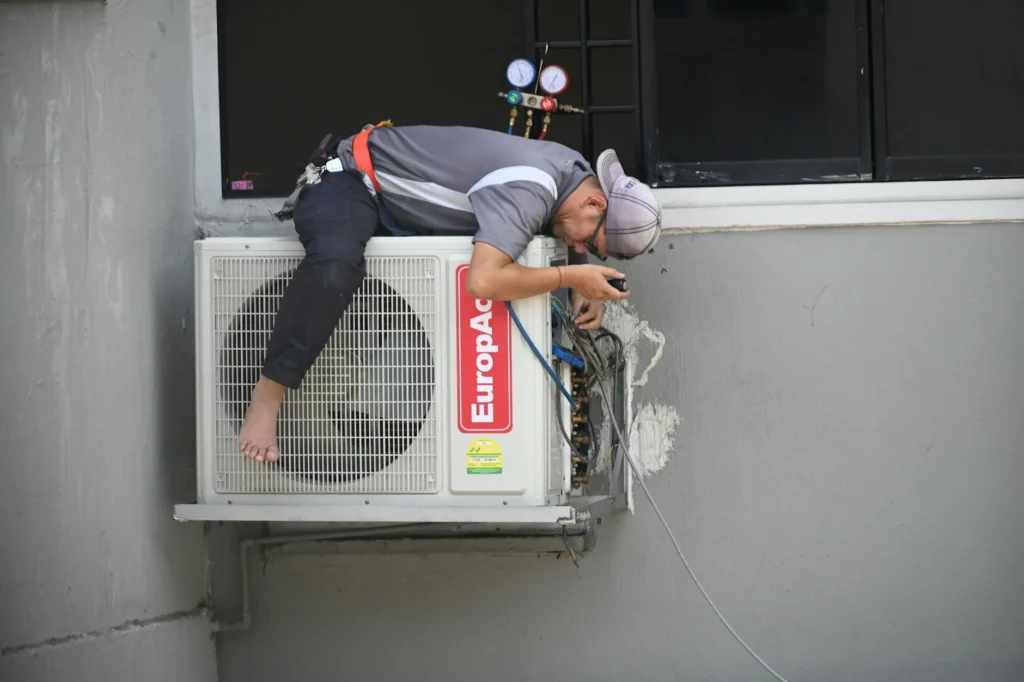
Price Table
| Item/Service | Estimated Range (USD) | Notes | |
|---|---|---|---|
| 🌬️ | HVAC Unit (Furnace & AC) | $3,500 – $8,000 | Price varies significantly by brand, SEER/AFUE rating, and system type (split, package). |
| 🔥 | Heat Pump System | $4,000 – $10,000 | Often higher upfront, but can offer better efficiency and heating/cooling in one. |
| 🛠️ | Ductwork Installation/Modification | $1,500 – $6,000 | Depends on existing ducts, home size, and complexity. New installs are at the higher end. |
| 🔌 | Electrical Work | $300 – $1,200 | Upgrading circuits or running new lines for the HVAC unit. |
| 👷 | Labor Costs | $2,000 – $5,000 | Varies by region, contractor experience, and job duration. Includes setup and testing. |
| 🗑️ | Old System Removal & Disposal | $150 – $400 | Essential for replacing old units; includes refrigerant recovery. |
| 🛡️ | Permits & Inspections | $100 – $500 | Required by most municipalities to ensure safety and code compliance. |
| 📈 | TOTAL (Estimated) | $7,500 – $20,000+ | Note: Ranges are broad estimates for 2026. Actual costs will vary significantly based on your location, chosen equipment quality, contractor, and specific home requirements. |
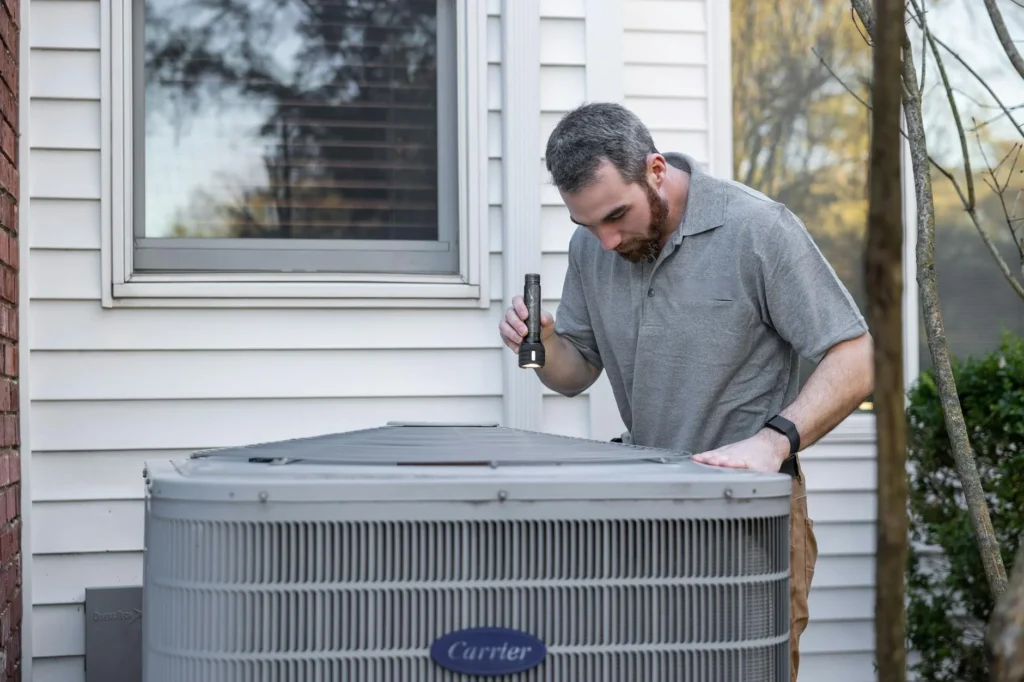
Factors Influencing Your HVAC Investment
Equipment Type and Efficiency
The kind of system you choose—a traditional split system, a heat pump, or even a mini-split setup—will have the biggest impact. Higher SEER (Seasonal Energy Efficiency Ratio) and AFUE (Annual Fuel Utilization Efficiency) ratings usually mean higher upfront costs but lower energy bills over time.
Home Size and Layout
Larger homes or those with complex layouts often require more extensive ductwork and higher-capacity units, directly increasing material and labor costs. Older homes might also need significant electrical or structural modifications.
Contractor and Regional Differences
Reputable contractors often charge more, but their expertise can save you money in the long run through correct sizing and installation. Prices for labor and materials can also differ significantly from one region to another. Another common pitfall: selecting the cheapest bid without vetting the contractor’s reputation or checking if they’re properly licensed and insured.
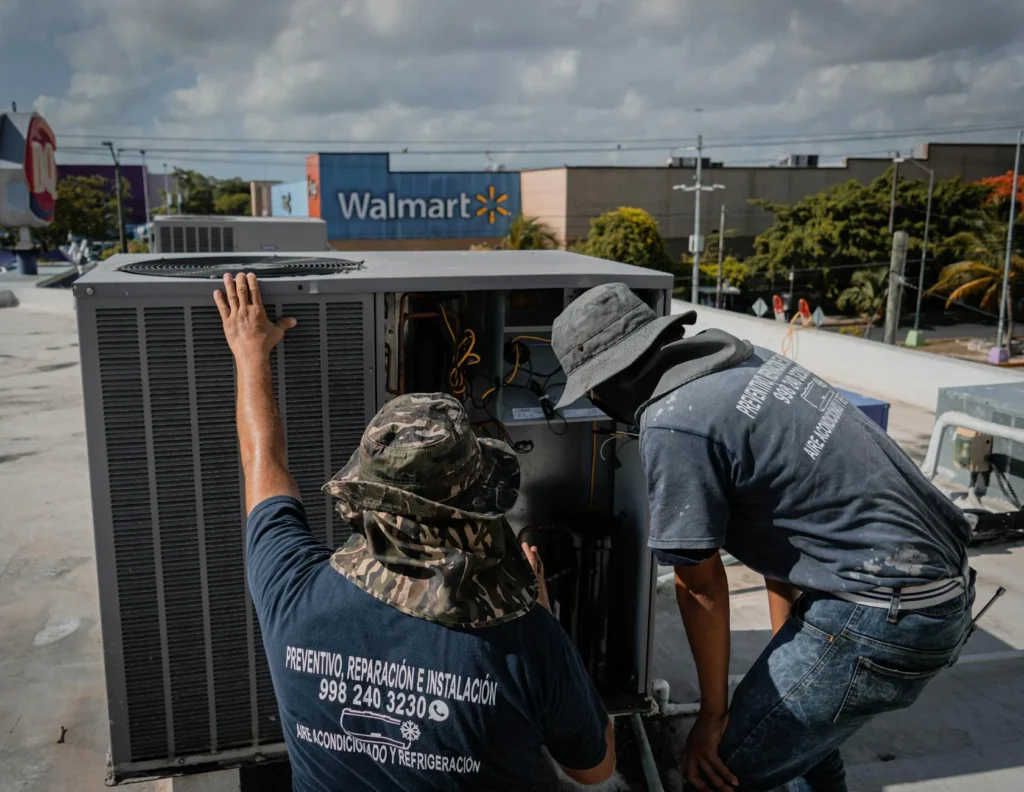
Frequently Asked Questions About 2026 HVAC Installation
How long does an HVAC installation typically take?
Most standard installations, replacing an existing system, can be completed within 1-3 days. A full system replacement with new ductwork or major modifications might extend to a week or more.
Are there any rebates or incentives available in 2026?
Absolutely. Many utility companies and government programs offer rebates or tax credits for installing high-efficiency HVAC systems. Always inquire with your contractor and check local and federal programs for current opportunities.
How often should I replace my HVAC system?
Generally, furnaces last 15-20 years and air conditioners 10-15 years. Regular maintenance can extend their lifespan, but significant repairs on older units often signal it’s time for a replacement.
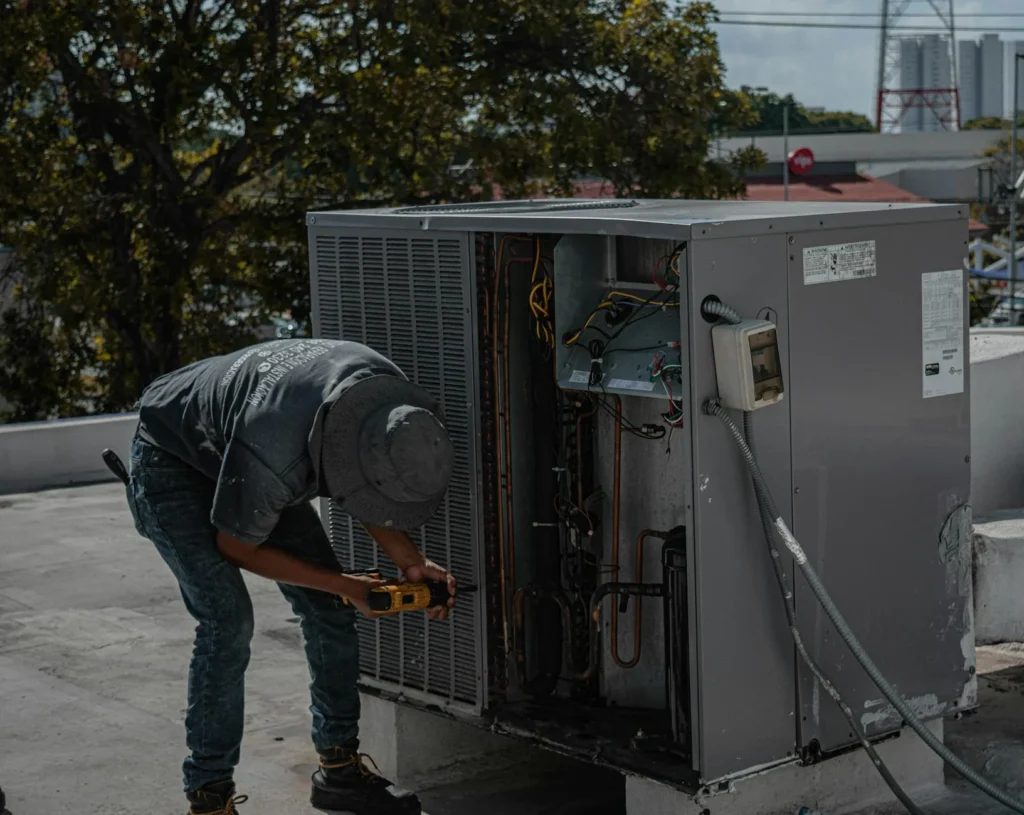
Images sourced from Pexels.