The Real Cost of Basement Waterproofing: Protect Your Home Today
A dry basement isn’t just about comfort; it’s crucial for your home’s structural integrity and your family’s health. Ignoring a damp or leaking basement can lead to much bigger, more expensive problems down the line, from mold growth and pest infestations to significant foundation damage.
Understanding the current financial investment involved in basement waterproofing is the first step towards a lasting solution. While prices vary based on your specific situation, location, and the methods chosen, this guide aims to give you a clear picture of what to expect for effective home protection.
Basement Waterproofing Price Table
| Item/Service | Estimated Range (USD) | Notes | |
|---|---|---|---|
| 💧 | Interior Drain Tile System | $3,000 – $8,000 | Effective for managing water that enters walls; includes trenching, piping, gravel, and concrete patching. |
| 💦 | Sump Pump Installation | $600 – $1,800 | For a primary pump with a battery backup; crucial for active water removal. |
| 🩹 | Wall Crack Repair (Epoxy/Urethane) | $300 – $1,000 per crack | For non-structural cracks; price varies by crack size and number. |
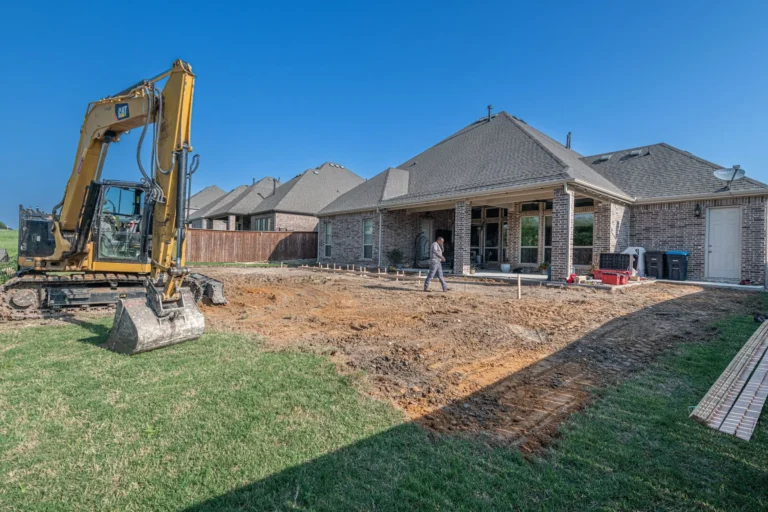
| 🧱 | Exterior Waterproofing (Excavation) | $8,000 – $20,000+ | Most comprehensive but invasive; involves excavating around foundation, applying membrane, and installing exterior drain. |
| 🌬️ | Vapor Barrier/Encapsulation | $1,500 – $5,000 | Reduces humidity, prevents mold, and improves energy efficiency, especially in crawl spaces. |
| 🔍 | Professional Diagnostic Inspection | $100 – $500 | Often credited towards the cost of services if hired; identifies precise problem areas. |
| TOTAL (Typical Comprehensive Project) | $4,000 – $15,000+ | Disclaimer: Range highly depends on methods, severity of issues, and local labor rates. Minor fixes can be much less, full exterior very high. |
What Influences the Current Cost?
The price tag for waterproofing can swing widely due to several key factors. One common mistake people make is only addressing visible leaks without understanding the root cause, leading to recurring problems. A thorough inspection is paramount.
Severity of Damage
A few hairline cracks are far less costly to address than significant foundation damage, widespread efflorescence, or a basement that regularly floods. The extent of moisture intrusion directly impacts the scope of work.
Method Chosen
Interior drainage systems are typically less invasive and more affordable than extensive exterior excavation. The ‘best’ method depends on your home’s specific issues and topography.
Property Size and Accessibility
Larger basements naturally require more materials and labor. Similarly, homes with difficult-to-access foundations (e.g., tight side yards, decks, dense landscaping) can incur higher labor costs for excavation.
Geographic Location
Labor rates, material costs, and local regulations vary significantly by region. What costs X in one state might cost Y in another.
Contractor Reputation and Warranty
Experienced, reputable contractors might have higher initial quotes, but they often offer superior workmanship, advanced techniques, and solid warranties. This can save you money and headaches in the long run.
Is DIY a Viable Option?
For very minor, non-structural issues like small hairline cracks or managing humidity with a dehumidifier, some DIY solutions might seem appealing. However, active leaks, extensive dampness, or any signs of structural compromise almost always require professional expertise. A misdiagnosis or improper repair can worsen the problem and lead to significantly higher costs down the road. It’s often best to consult with a professional to understand the true nature of your basement’s issues.
The Long-Term Value of Waterproofing
While the upfront cost of basement waterproofing can seem significant, consider it an investment in your home’s longevity and your family’s well-being. A dry basement protects your foundation, prevents mold and mildew growth (which can trigger allergies and respiratory issues), and even increases usable living space and overall property value. It’s about securing peace of mind and avoiding far more expensive repairs in the future.

Frequently Asked Questions (FAQ)
- How long does basement waterproofing last?
- Effective waterproofing systems, properly installed, can last 10-20 years or even longer, depending on the method used, the quality of materials, and ongoing maintenance.
- Can I get an estimate for free?
- Many reputable waterproofing companies offer free initial consultations or estimates. However, a truly thorough diagnostic inspection to pinpoint complex issues might incur a small fee, which is often credited back if you proceed with their services.
- What are the signs I need basement waterproofing?
- Look out for musty odors, visible mold or mildew, standing water, water stains on walls or floors, peeling paint, efflorescence (white powdery mineral deposits on concrete/masonry), and small cracks in your foundation walls or floor.
Images sourced from Pexels.