Window Replacement: Your Guide to Current Costs
Replacing windows is a significant home improvement that can boost curb appeal, energy efficiency, and comfort. Whether you’re upgrading outdated frames or tackling a drafty problem, understanding the financial investment is key to planning your project.
The total cost for new windows isn’t just about the panes themselves. Installation labor, the type of window you choose, regional pricing, and even permits can all play a role in your final bill. Let’s break down what you can expect for current costs.
Price Table
| Item/Service | Estimated Range (USD) | Notes | |
|---|---|---|---|
| 🏠 | Vinyl Windows (per window) | $300 – $800 | Most common, good insulation, low maintenance. Cost varies by size, style, and quality. |
| 🌳 | Wood Windows (per window) | $500 – $1,200 | Classic aesthetic, excellent insulation, but require more maintenance. Premium options can exceed this range. |
| 💪 | Fiberglass Windows (per window) | $700 – $1,500+ | Durable, energy-efficient, stable in extreme temperatures. Often custom-made. |
| 🛠️ | Installation Labor (per window) | $100 – $300 | Varies by complexity, window type, accessibility, and region. Expect higher costs for difficult installations. |
| 🗑️ | Old Window Disposal (per window) | $25 – $75 | Hauling away old units. Often included in installation, but confirm. |
| 📜 | Permits | $50 – $200 | Required in many areas, especially for structural changes or historical properties. Check local regulations. |
| TOTAL – Estimated Project Cost (per window installed) | $425 – $2,000+ | This range covers a single, new mid-range window fully installed. Total project cost depends heavily on the number and type of windows, plus any additional work. Prices are estimates and vary widely by region, provider, and quality. |
Key Factors Influencing Your Bill
Your final window replacement cost isn’t set in stone until you get a quote. Several elements sway the price significantly. The biggest factor is the window material itself, with vinyl typically being the most budget-friendly, while wood and fiberglass offer premium aesthetics and performance but come with a higher price tag. Size and style also matter; a standard double-hung window will be less expensive than a large bay window or custom shape.
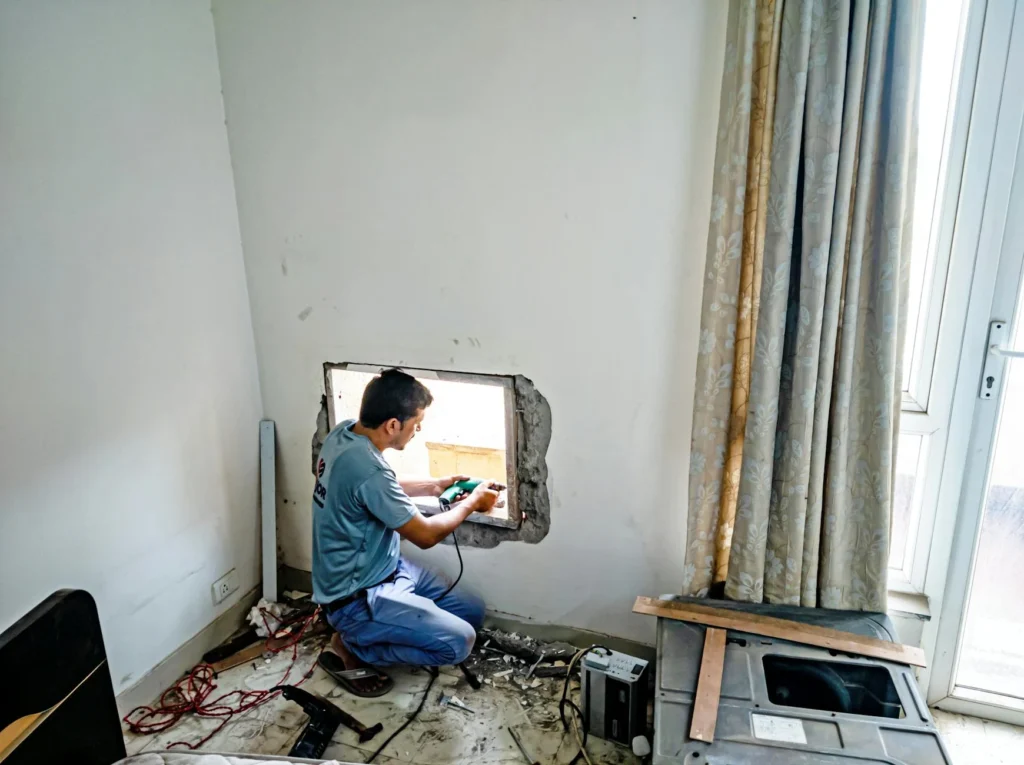
Installation complexity is another major driver. Is it a simple swap, or does the opening need modification? Are there multiple stories involved, requiring scaffolding? Don’t forget regional pricing differences; labor costs can vary dramatically from one city to another. Always get multiple detailed quotes to compare.
DIY vs. Professional Installation: What to Consider
While a DIY approach might seem appealing to save on labor, installing windows is a precise job that, if done incorrectly, can lead to drafts, water leaks, and reduced energy efficiency. These issues can quickly negate any initial savings. Professionals have the right tools, experience, and often offer warranties on both the product and their workmanship.
If you’re not experienced with construction and sealing, a professional installer is generally the safer and more cost-effective long-term choice. A common mistake people make is underestimating the skill and specialized equipment required, leading to costly mistakes down the road.
Getting the Best Value
To ensure you’re getting a good deal without sacrificing quality, start by gathering at least three quotes from reputable local contractors. Ask for itemized breakdowns. Pay attention to energy efficiency ratings like U-factor and Solar Heat Gain Coefficient (SHGC) – better ratings can mean long-term savings on utility bills. Also, inquire about warranties for both the windows and the installation.

FAQ: Your Window Replacement Questions Answered
- How long does window replacement take?
- Typically, a professional crew can install 10-15 windows in one to two days. However, complex installations or custom windows might extend this timeframe.
- Do I always need a permit for window replacement?
- It depends on your local municipality and the scope of work. Simple “insert” replacements often don’t require one, but if you’re altering the size of the opening or making structural changes, a permit is usually necessary. Always check with your local building department.
- Is it better to replace all windows at once or in stages?
- Replacing all windows at once can often be more cost-effective due to bulk discounts on materials and a single mobilization fee for labor. However, if budget is a concern, replacing them in stages (e.g., one floor at a time) is a viable option, though it might cost slightly more per window overall.