The Real Cost of Dental Implants: An Updated 2026 Guide
Dental implants continue to be the gold standard for replacing missing teeth, offering unparalleled stability, aesthetics, and functionality. By 2026, their popularity has only grown, making them a significant, yet often life-changing, investment in your oral health and overall well-being.
Understanding the financial commitment involved is crucial for anyone considering this advanced dental solution. With costs continuing to trend upwards, getting a realistic picture of what you can expect to pay for a dental implant procedure in 2026 is essential for smart planning. This guide will break down the components of the total cost, helping you navigate the expenses with clarity.
Price Table
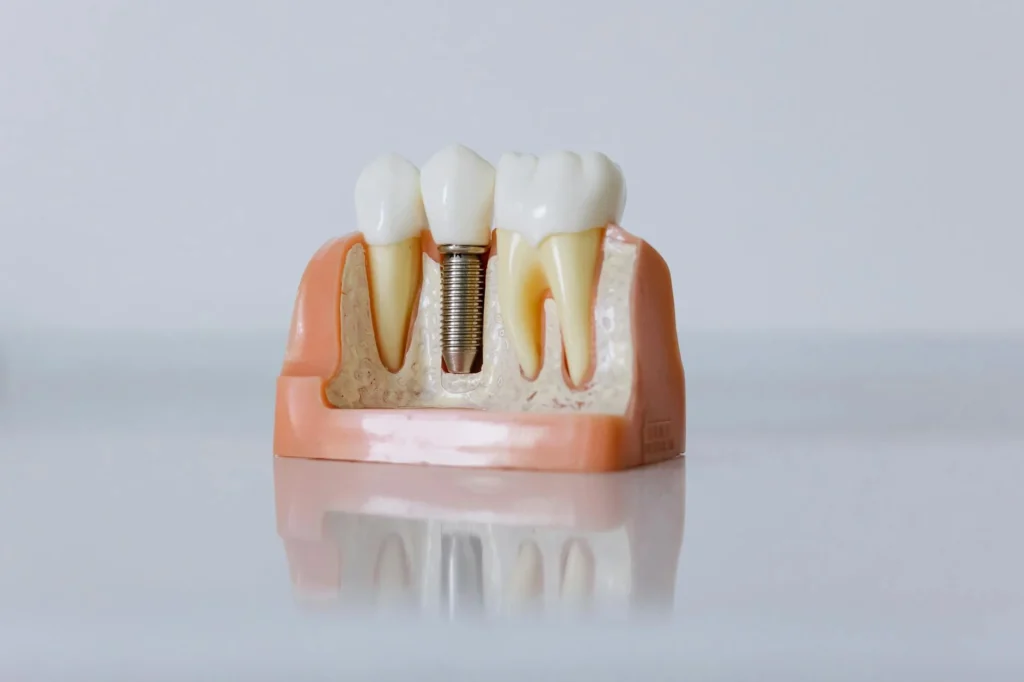
Here’s an estimated breakdown of costs for a single dental implant in 2026. Remember, these ranges are highly variable.
| Item/Service | Estimated Range (USD) | Notes | |
|---|---|---|---|
| 🩺 | Initial Consultation & X-rays | $50 – $300 (or free) | Many clinics offer initial consultations at no cost. Essential for planning. |
| 🦷 | Tooth Extraction (if needed) | $150 – $500 | Cost varies by complexity (simple vs. surgical). |
| 🦴 | Bone Grafting (if needed) | $400 – $2,500 | Required if jawbone lacks sufficient density to support an implant. Per site. |
| 👃 | Sinus Lift (if needed) | $1,500 – $3,500 | Specific type of bone graft for upper jaw posterior teeth. Per site. |
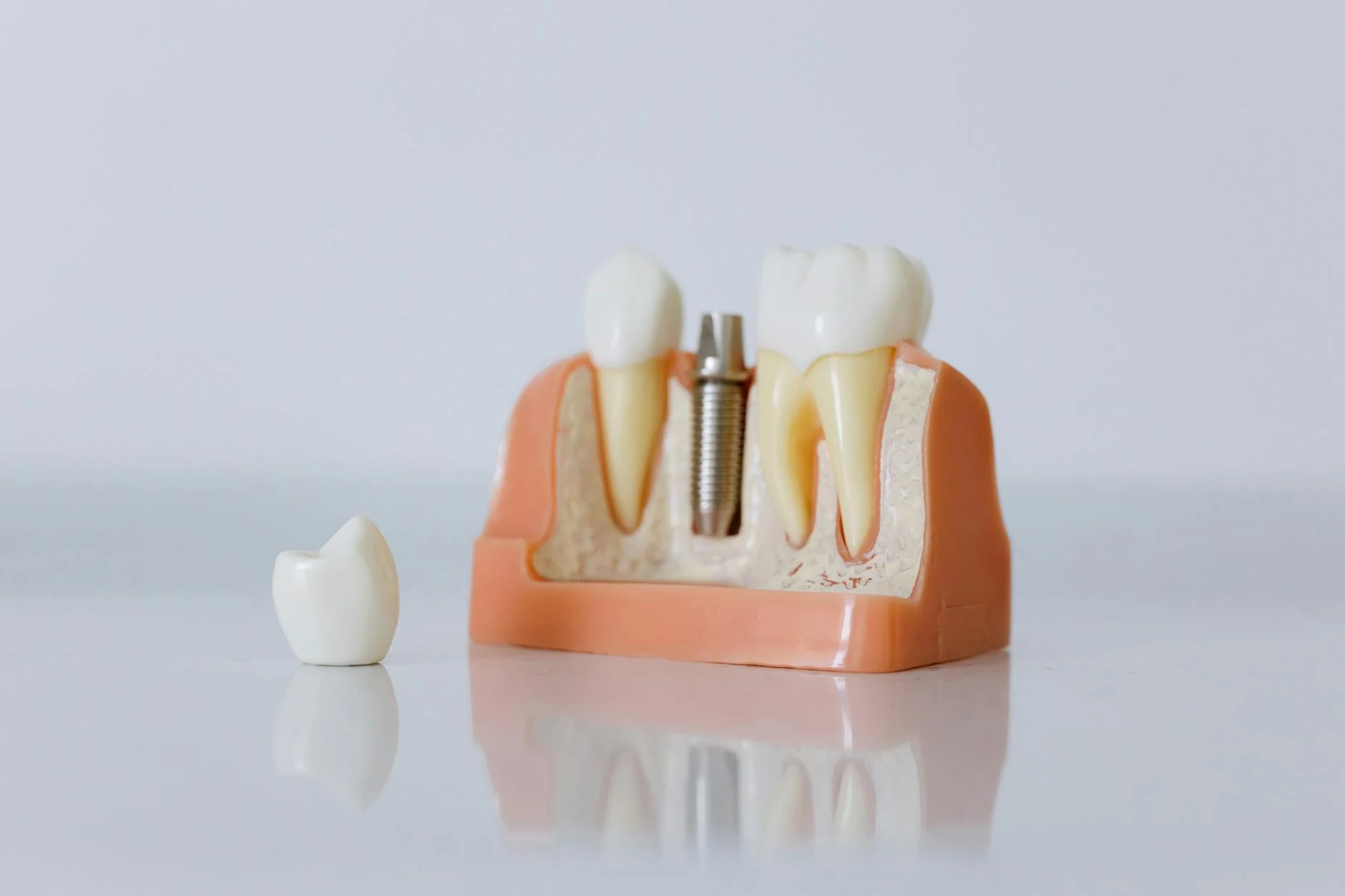
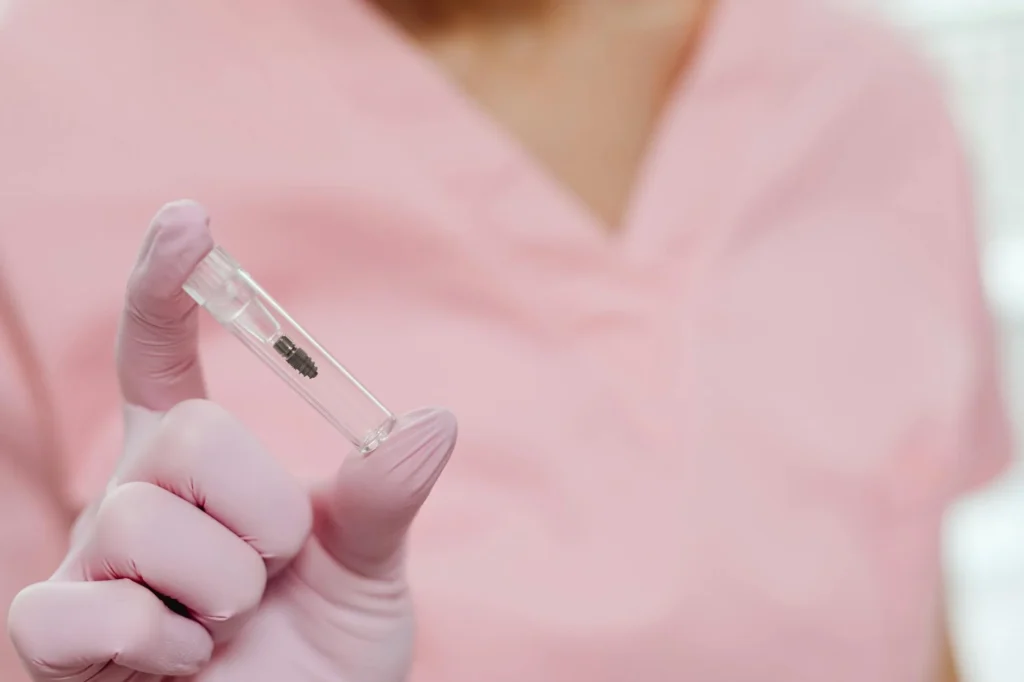
| 🔩 | Implant Fixture (the “root”) | $1,500 – $3,000 | The titanium screw placed into the jawbone. Cost depends on brand, material. |
| ✨ | Abutment (connector) | $500 – $1,200 | Connects the implant fixture to the crown. |
| 👑 | Crown/Prosthesis (the “tooth”) | $1,000 – $2,500 | The visible replacement tooth. Material (porcelain, ceramic) affects price. |
| 😴 | Anesthesia | $200 – $800 | Local anesthesia often included; sedation (oral, IV) costs extra. |
| 🗓️ | Post-Op Visits & Follow-ups | $0 – $300 | May be included in overall fee or billed separately. |
| 💰 | TOTAL | $3,500 – $10,000+ | For a single implant, including necessary preparatory procedures. Varies widely by case complexity, geographic location, and clinic prestige. |
What Influences the Price Tag?
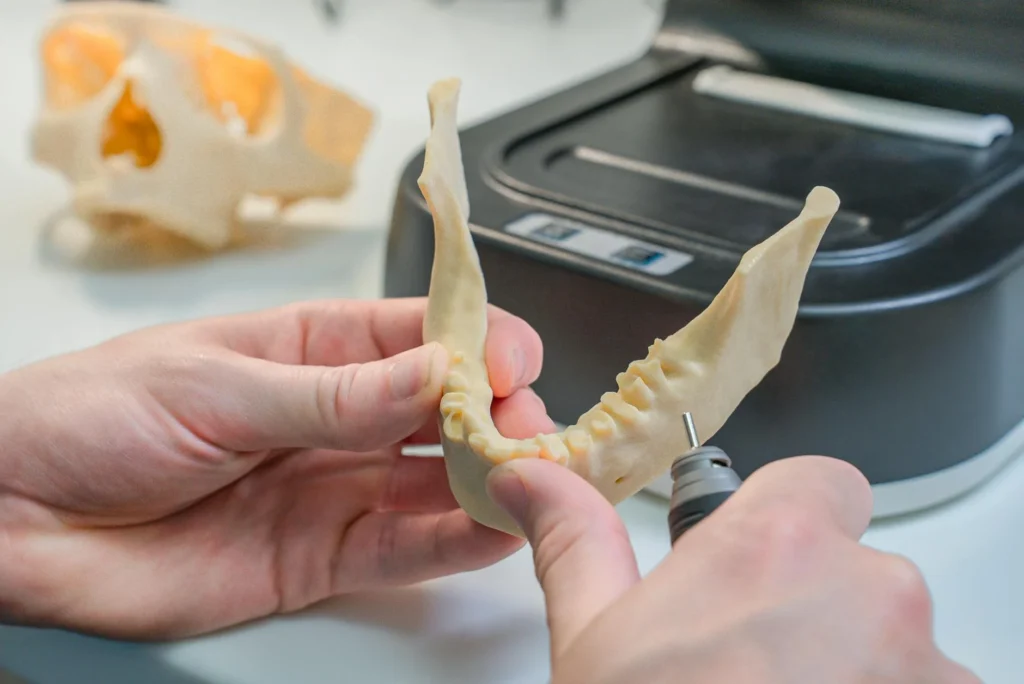
Several factors can significantly sway the final bill. One common mistake people make is to only factor in the cost of the implant itself, overlooking the crucial preparatory work like extractions or bone grafts. Geographic location is a big one; implants in major metropolitan areas or affluent regions typically command higher prices than in smaller towns. The experience and reputation of your oral surgeon or periodontist also play a role, as does the specific brand and material quality of the implant and crown.
The complexity of your individual case is paramount. Do you require extensive bone grafting or a sinus lift before the implant can even be placed? Are multiple teeth being replaced? These additional procedures, while sometimes optional, are often essential for the long-term success and stability of your implant, adding to the overall cost. Never underestimate the value of a thorough initial assessment.
Smart Ways to Manage the Cost
Don’t let the numbers overwhelm you. Many dental insurance plans in 2026 offer some partial coverage for implants, especially if they’re deemed medically necessary. Always check your specific policy and get pre-authorization before starting treatment. Many clinics also provide flexible payment plans, financing options through third-party lenders, or offer discounts for upfront payment.
For those on a tighter budget, dental schools with postgraduate implantology programs can sometimes offer procedures at a reduced cost, supervised by experienced faculty. However, expect longer treatment times. Another route is dental tourism, though this requires diligent research to ensure quality standards and proper follow-up care. A crucial piece of advice: beware of unusually low prices without thoroughly vetting the clinic and the quality of materials. A ‘bargain’ often comes with hidden costs or compromises on longevity and safety. Your oral health is a long-term investment.
FAQs
Is a dental implant worth the investment in 2026?
For most patients, absolutely. Implants offer superior durability, function, and aesthetic appeal compared to other tooth replacement options. They preserve jawbone health and can last for decades with proper care, providing excellent value over time.
Does dental insurance cover implants?
Coverage varies significantly by plan and provider. Some plans offer partial benefits, especially if the procedure is restorative rather than purely cosmetic. It’s vital to contact your insurance company directly to understand your specific benefits and any limitations.
How long do dental implants last?
With good oral hygiene, regular dental check-ups, and the absence of complications, the implant fixture itself can last a lifetime. The crown may need replacement after 10-15 years due to wear and tear, but the underlying implant remains stable.
Images sourced from Pexels.