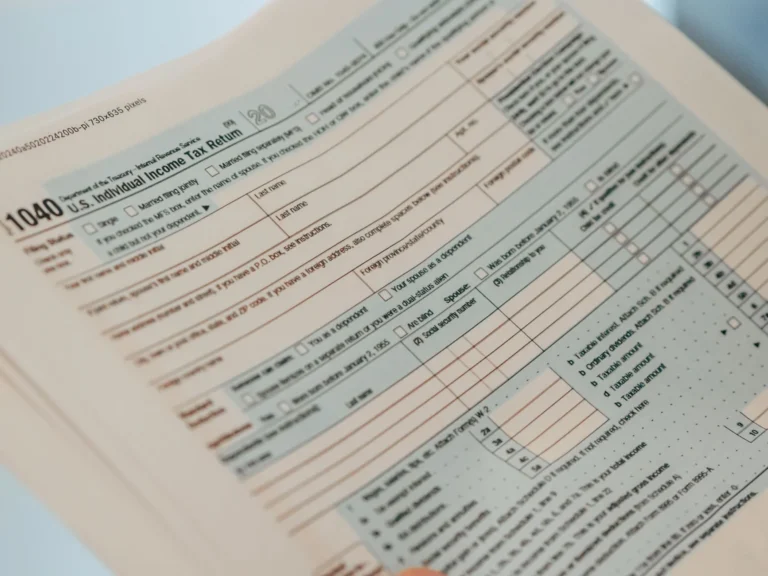

Current Estate Planning & Wills: Your Essential Guide
Navigating estate planning can feel overwhelming, but it’s one of the most crucial steps you can take for your loved ones. It’s not just for the wealthy; a solid plan ensures your wishes are honored and can save your family significant time, stress, and money down the line. Delaying this process is a common mistake that often leaves families in difficult, costly situations.
Understanding the current landscape of wills and estate planning costs is key to making informed decisions. This guide breaks down what you can expect to pay for various services, from simple wills to more complex trusts, helping you budget wisely for peace of mind and securing your legacy.

Current Estate Planning & Will Costs
| Item/Service | Estimated Range (USD) | Notes | |
|---|---|---|---|
| 📝 | Simple Last Will & Testament | $0 – $500 | DIY kits can be free/low cost; attorney-drafted varies by complexity. |
| ✍️ | Will + Power of Attorney | $300 – $800 | Combines a will with documents for financial and medical decisions. |
| 📄 | Will + POA + Healthcare Directive | $400 – $1,200 | A more complete package covering end-of-life wishes. |
| 🛡️ | Living Trust (Revocable) | $1,000 – $3,500+ | Often avoids probate; more complex initially, but can save time and money later. |
| 🌐 | Online Will Service (Subscription) | $39 – $200/year | Convenient for straightforward situations; often requires annual fee for updates. |
| ⚖️ | Attorney Consultation (Hourly) | $150 – $400/hour | Many offer initial free or reduced-fee consultations. |
| 🚀 | Comprehensive Estate Plan | $2,000 – $7,000+ | Includes wills, trusts, advanced directives, tax planning, asset protection, etc. |
| TOTAL | Varies greatly | Dependent on complexity, location, and professional chosen. |
Note: These are estimated ranges. Actual costs can vary significantly based on your location, the complexity of your estate, the type of legal professional you choose, and local market rates. Always get a clear quote upfront.

DIY vs. Professional: When to Choose Which
For simple situations, like a single individual with few assets and straightforward wishes, a do-it-yourself will kit or online service might seem appealing and budget-friendly. However, a common mistake people make is thinking a simple DIY will covers everything. While convenient, these often miss critical details, aren’t correctly executed according to local laws, or fail to account for unforeseen circumstances, potentially leading to family disputes or invalidation.
If you have a blended family, significant assets, specific beneficiaries, or concerns about estate taxes, consulting with an estate planning attorney is highly recommended. Their expertise ensures your plan is legally sound, tailored to your unique situation, and minimizes potential future headaches for your loved ones.
Key Documents You’ll Need
- Last Will and Testament: Directs how your assets are distributed and names guardians for minor children.
- Power of Attorney (Financial): Designates someone to manage your financial affairs if you become incapacitated.
- Advance Healthcare Directive/Living Will: Outlines your medical treatment preferences and appoints a healthcare proxy.
- Trusts: Can avoid probate, provide for specific beneficiaries (e.g., minors, special needs), manage assets, and offer tax advantages.
Beyond the Initial Cost: Future Considerations
Estate planning isn’t a one-time task; it’s an ongoing process. Life changes – marriages, divorces, births, deaths, significant asset acquisitions or sales – all warrant reviewing and potentially updating your plan. Neglecting updates can render parts of your plan ineffective or even invalidate them.
Also, consider the long-term savings. While a comprehensive estate plan with an attorney might seem more expensive upfront, it can significantly reduce or eliminate future probate costs, minimize estate taxes, and prevent legal battles among heirs, ultimately saving your family considerable time and money.
Your Estate Planning FAQs
- Is estate planning only for the wealthy?
- Absolutely not. Everyone with assets, even modest ones, or dependents can benefit. It ensures your wishes are respected, eases the burden on your family, and prevents state laws from dictating how your property is handled.
- How often should I review my estate plan?
- It’s smart to review your plan every 3-5 years, or sooner if you experience major life changes like marriage, divorce, birth of a child, a significant change in assets, or relocation. Laws can also change, making periodic reviews crucial.

Images sourced from Pexels.