Sleep Study Cost 2026: Your Updated Guide to Real Prices
Understanding the financial aspects of a sleep study in 2026 is crucial for anyone suspecting a sleep disorder. With healthcare costs continually evolving, knowing what to expect can help you budget and make informed decisions about your health. A sleep study, or polysomnography, is a non-invasive test that monitors various bodily functions during sleep, providing vital data for diagnosing conditions like sleep apnea, insomnia, or restless legs syndrome.
While the prospect of medical testing can feel overwhelming, focusing on the steps to manage potential costs can alleviate some stress. Remember that investing in your sleep health often leads to improved overall well-being, better productivity, and a higher quality of life. This guide breaks down the typical expenses you might encounter for sleep studies in the coming year.
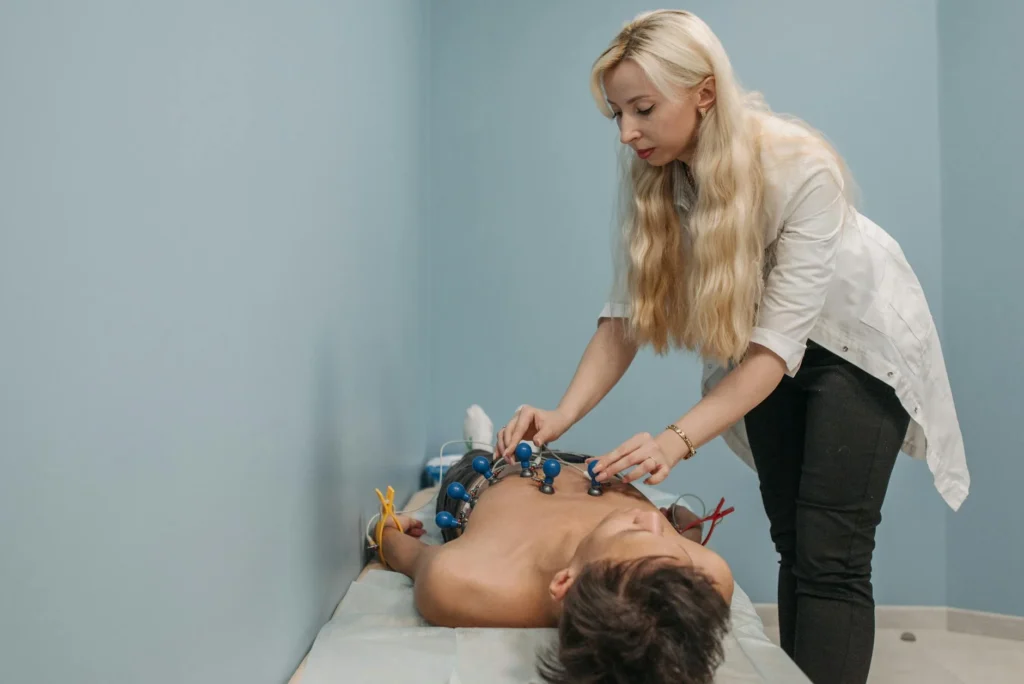
Sleep Study Estimated Price Table (2026)
Prices for sleep studies in 2026 are expected to vary significantly based on your geographic location, the specific medical provider or clinic, the complexity of the study, and your insurance coverage. Always verify costs directly with your chosen facility.
| Item/Service | Estimated Range (USD) | Notes | |
|---|---|---|---|
| ✅ | Initial Consultation with Sleep Specialist | $150 – $450 | Required to assess symptoms and recommend the appropriate study type. |
| 😴 | In-Lab Polysomnography (PSG) | $2,200 – $5,500 | Overnight stay at a sleep center, comprehensive monitoring. Often covered by insurance if medically necessary. |
| 🏠 | Home Sleep Test (HST) | $350 – $900 | Simpler, take-home device for diagnosing sleep apnea. Less comprehensive than PSG. |
| 👃 | CPAP Titration Study (if needed) | $900 – $2,800 | Conducted in-lab to determine optimal Continuous Positive Airway Pressure settings. |
| 💬 | Follow-up Consultation | $120 – $350 | To discuss results, diagnosis, and treatment plan. |
| 📦 | CPAP Equipment (Machine, Mask, Supplies) | $800 – $3,000+ | Ongoing expense for therapy; often partially covered by insurance or durable medical equipment (DME) benefits. |
| TOTAL (Typical Scenario) | $2,700 – $6,500+ | Varies widely. This range usually covers consultation, study, and follow-up, excluding ongoing therapy equipment. |
Understanding Insurance and Coverage
Before scheduling any sleep study, it’s essential to contact your insurance provider to understand your specific benefits. Many plans in 2026 will cover sleep studies, especially if deemed medically necessary by a doctor. However, deductibles, co-pays, and co-insurance can significantly impact your out-of-pocket expenses. A common mistake people make is assuming full coverage without checking, leading to unexpected bills. Always ask for a pre-authorization or an estimate of benefits from your insurer.
Factors Influencing Cost
Several elements contribute to the final price tag of a sleep study. The type of study—in-lab (PSG) versus home (HST)—is a primary differentiator, with in-lab studies being considerably more expensive due to facility and personnel costs. The geographic location of the clinic plays a role; urban centers and specialized facilities typically have higher prices. Furthermore, the complexity of the study, the number of monitored parameters, and the reputation of the sleep center can all factor into the final bill.
For individuals primarily concerned about sleep apnea, a Home Sleep Test (HST) often presents a more affordable and convenient alternative to an in-lab study. HSTs are designed to diagnose obstructive sleep apnea by monitoring breathing patterns, oxygen levels, and heart rate from the comfort of your own bed. While less comprehensive, they are increasingly popular and often preferred by insurance companies as a first diagnostic step due to their lower cost. However, be aware that an HST might not detect all sleep disorders, and your doctor might still recommend an in-lab PSG if the HST results are inconclusive or if other conditions are suspected.
Frequently Asked Questions
- Can I get a sleep study without a doctor’s referral in 2026?
- Generally, no. Most sleep centers and insurance providers in 2026 will require a referral from your primary care physician or a specialist to ensure medical necessity and proper diagnosis.
- Are there ways to reduce sleep study costs?
- Yes. Consider starting with an HST if appropriate, ask about payment plans, check if your chosen facility offers a self-pay discount, and always confirm your insurance coverage in advance. Don’t skip follow-ups, as this can lead to undiagnosed issues worsening, potentially incurring higher costs later.
- How long does it take to get sleep study results?
- Typically, a sleep specialist will analyze the data within 1-2 weeks after your study. You’ll then usually have a follow-up appointment to discuss the findings and treatment options.
Images sourced from Pexels.