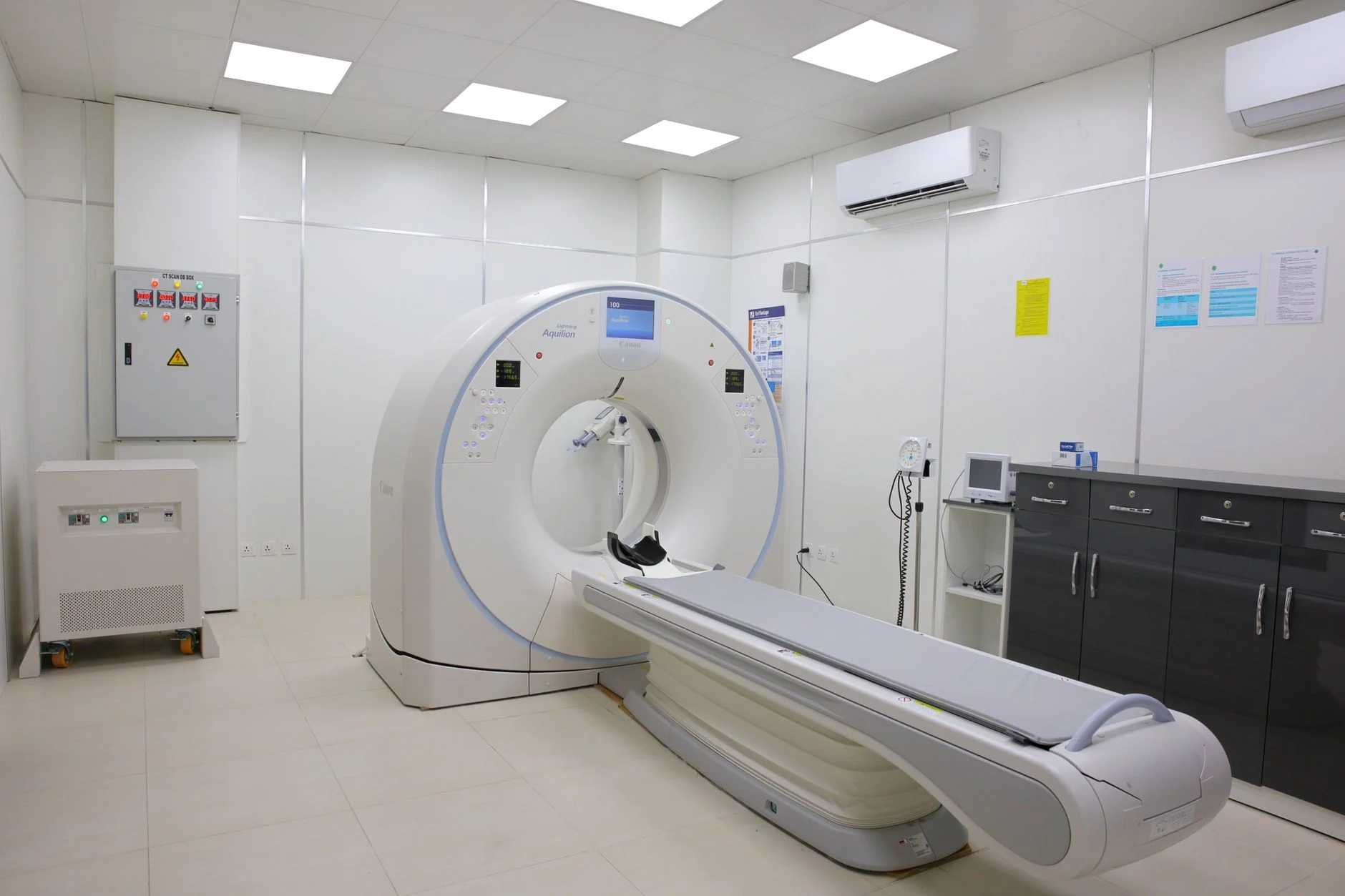
MRI & CT Scan Costs 2026: Your Updated Guide
Planning for diagnostic imaging in 2026 means navigating a complex healthcare landscape. MRI and CT scans are invaluable tools, but their costs can vary dramatically. Understanding these potential expenses upfront helps you make informed decisions about your care.
As we look ahead, a proactive approach to healthcare spending is more important than ever. This guide provides updated estimated cost ranges for MRI and CT scans in 2026, along with practical advice to help you manage these significant medical expenses.
Price Table
| Item/Service | Estimated Range (USD) | Notes | |
|---|---|---|---|
| 🧠 | MRI Brain (without contrast) | $1,800 – $4,500 | Common for neurological assessments. Prices can rise with contrast. |
| 🦴 | MRI Knee/Shoulder | $2,000 – $5,000 | Used for soft tissue and joint injuries. Highly dependent on facility type. |
| ⚕️ | MRI Lumbar Spine | $2,200 – $5,500 | Evaluates back pain, disc issues, or nerve compression. |
| 🩺 | CT Head (without contrast) | $600 – $2,500 | Faster, often used in emergencies for head trauma or stroke. |
| ⚕️ | CT Abdomen/Pelvis | $800 – $3,000 | Investigates abdominal pain, organ issues. Cost may increase with oral/IV contrast. |
| 🩺 | CT Chest | $700 – $2,800 | Used for lung conditions, infections, or trauma. |
| 💸 | TOTAL | $1,000 – $6,500+ | Represents a typical full diagnostic service (scan, facility, radiologist interpretation). Varies widely by region, provider, and scan complexity. |
Understanding Cost Variances in 2026
Why such broad ranges? Several factors influence the final price you’ll pay for an MRI or CT scan in 2026. Your geographic location plays a big role; urban areas or regions with higher costs of living generally see steeper prices. The type of facility also matters significantly: a hospital-based imaging center typically charges more than a standalone outpatient clinic for the exact same scan. Another common mistake people make is not differentiating between the facility fee and the radiologist’s professional interpretation fee, which often come as separate charges on your final bill.
Strategies for Saving on Imaging Costs
Don’t assume the first price you get is the only one. Always shop around! Call different imaging centers, including outpatient facilities, and ask for their cash price if you have a high-deductible plan or no insurance. You might be surprised by the savings. If you have insurance, always confirm your coverage and whether the facility is in-network. Sometimes, negotiating directly with the provider for a cash discount can reduce your out-of-pocket expense.
Your 2026 Imaging FAQ
Will my insurance cover an MRI/CT in 2026?
Most insurance plans cover medically necessary MRI and CT scans. However, coverage details, deductibles, co-pays, and prior authorization requirements vary greatly. Always contact your insurance provider directly before your appointment to understand your specific benefits for 2026.
What’s the best way to get an accurate price quote?
Contact the imaging center directly. Be specific about the type of scan (e.g., “MRI of the brain, without contrast”), mention your insurance provider and plan if applicable, and ask for the total out-of-pocket cost, including both facility and radiologist fees.
Why are MRI scans generally more expensive than CT scans?
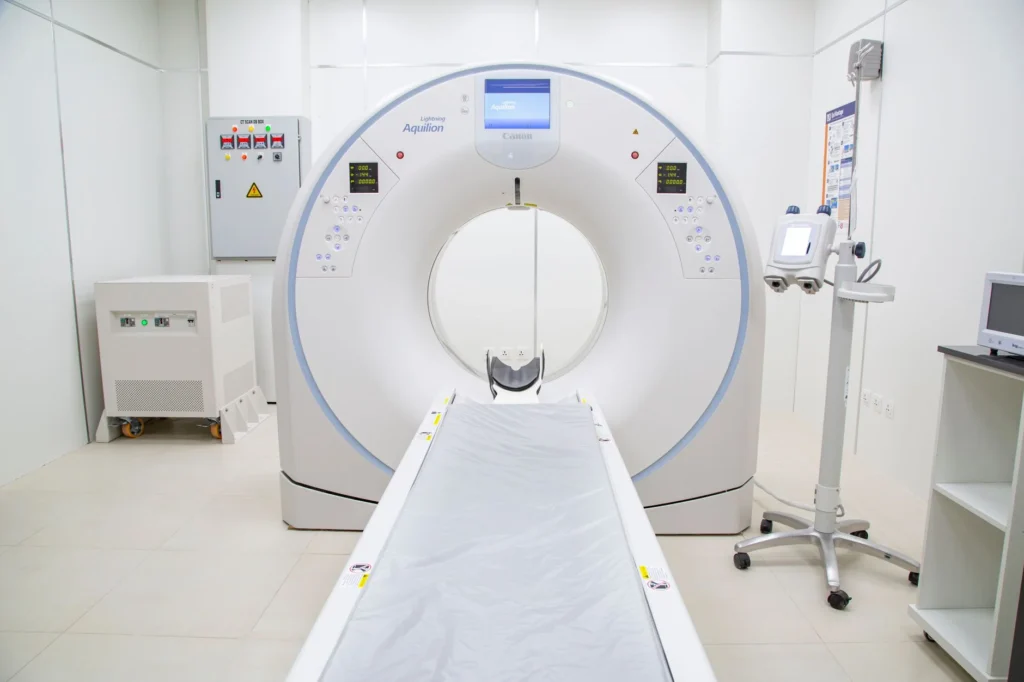
MRI machines are typically more expensive to purchase and maintain, require specialized shielding, and the scans themselves take longer to perform and interpret. CT scans are faster and often use less complex equipment, contributing to their generally lower price point.
Images sourced from Pexels.