MRI & CT Scan Costs 2026: A Current Breakdown
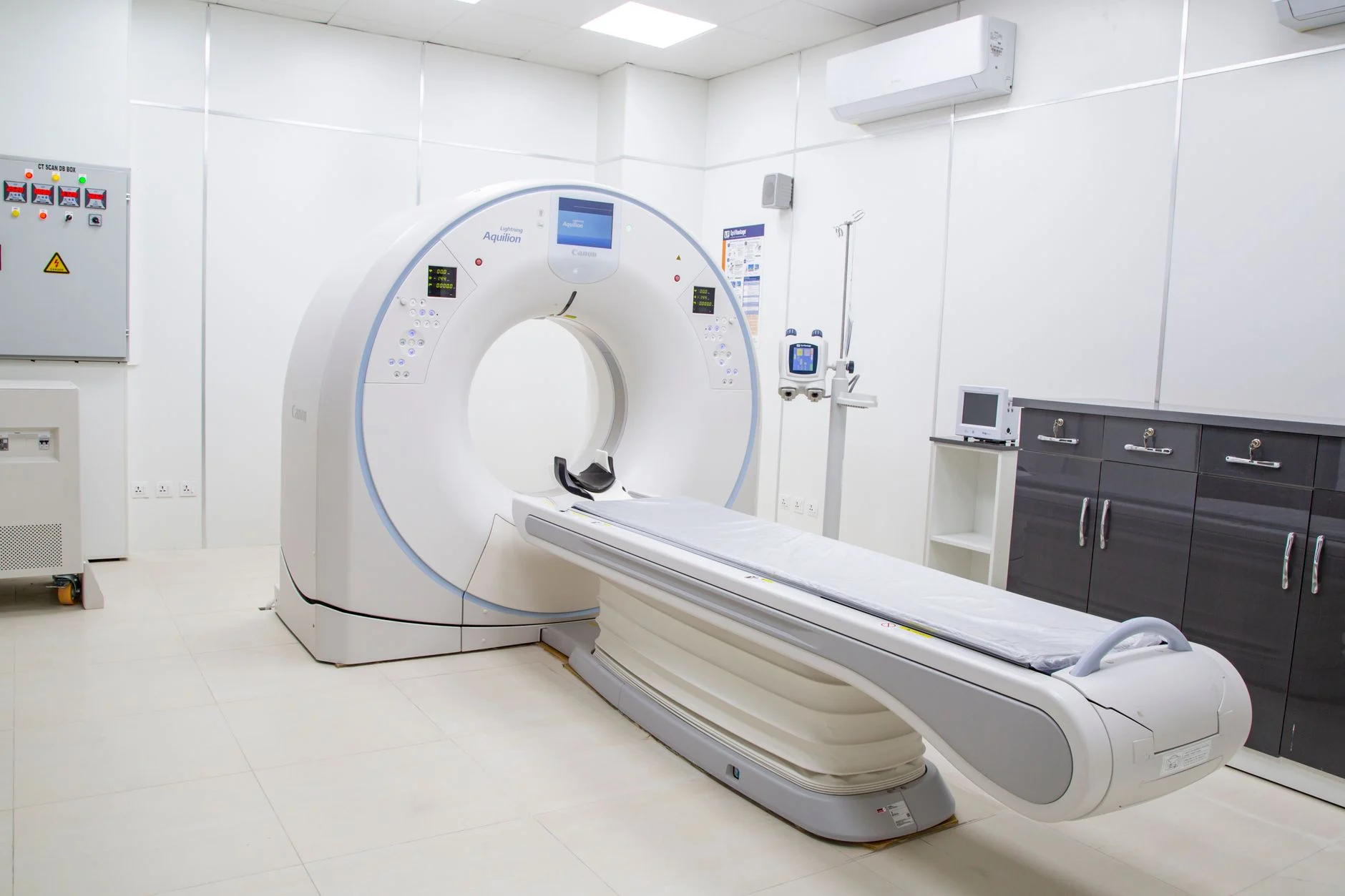
Understanding the financial landscape of medical imaging in 2026 is crucial for anyone needing an MRI or CT scan. These diagnostic tools are indispensable for pinpointing health issues, but their costs can vary significantly, making foresight essential for patient planning.
As we navigate healthcare options next year, knowing what to expect financially can ease a lot of stress. Prices aren’t uniform across the board; they depend heavily on location, facility type, and the specifics of your procedure. Our aim here is to provide a clear, practical guide to estimated costs, helping you make informed decisions about your care.
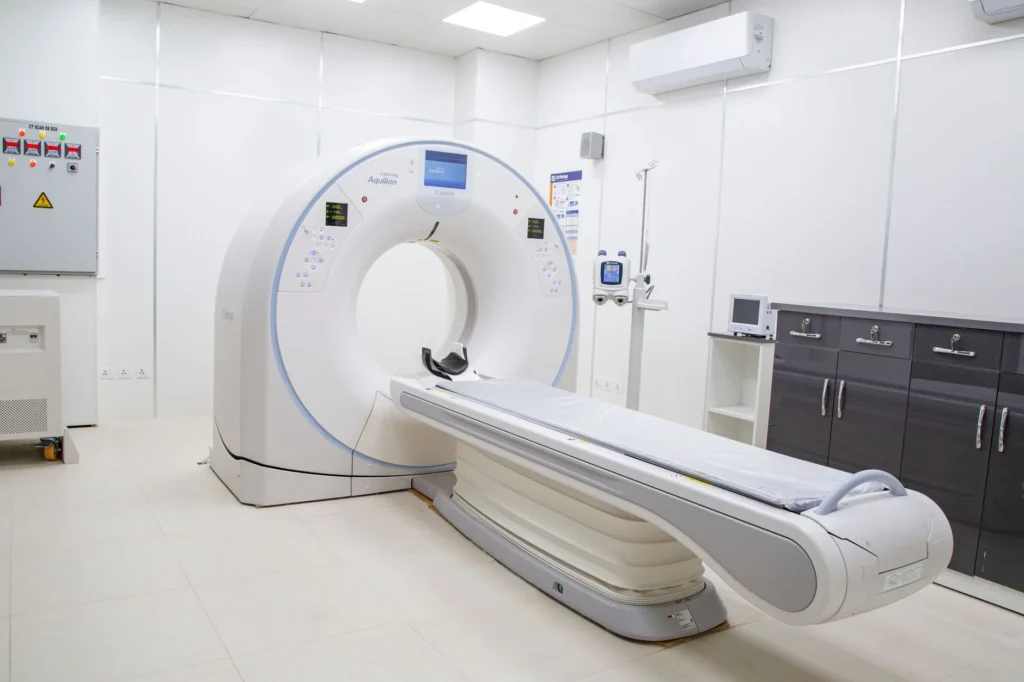
Price Table
The following table provides estimated ranges for common MRI and CT scan procedures in 2026. These are general guidelines; always verify costs with your provider and insurance.
| Item/Service | Estimated Range (USD) | Notes | |
|---|---|---|---|
| 🧠 | MRI Brain | $1,200 – $5,000 | With or without contrast material. |
| 🚶♂️ | MRI Spine (Cervical, Thoracic, or Lumbar) | $1,500 – $6,000 | Per section, contrast adds to cost. |
| 🦵 | MRI Joint (Knee, Shoulder, Hip) | $1,000 – $4,500 | Often requires specific imaging protocols. |
| 🤕 | CT Head/Brain | $500 – $2,500 | Common for emergencies, fast imaging. |
| 🌬️ | CT Chest | $700 – $3,000 | May include contrast for better visibility. |
| 🩺 | CT Abdomen/Pelvis | $800 – $3,500 | Typically requires oral and/or IV contrast. |
| TOTAL | TOTAL | $3,000 – $10,000+ | Overall estimate for a comprehensive diagnostic journey, including multiple scans, consultations, and facility fees. |
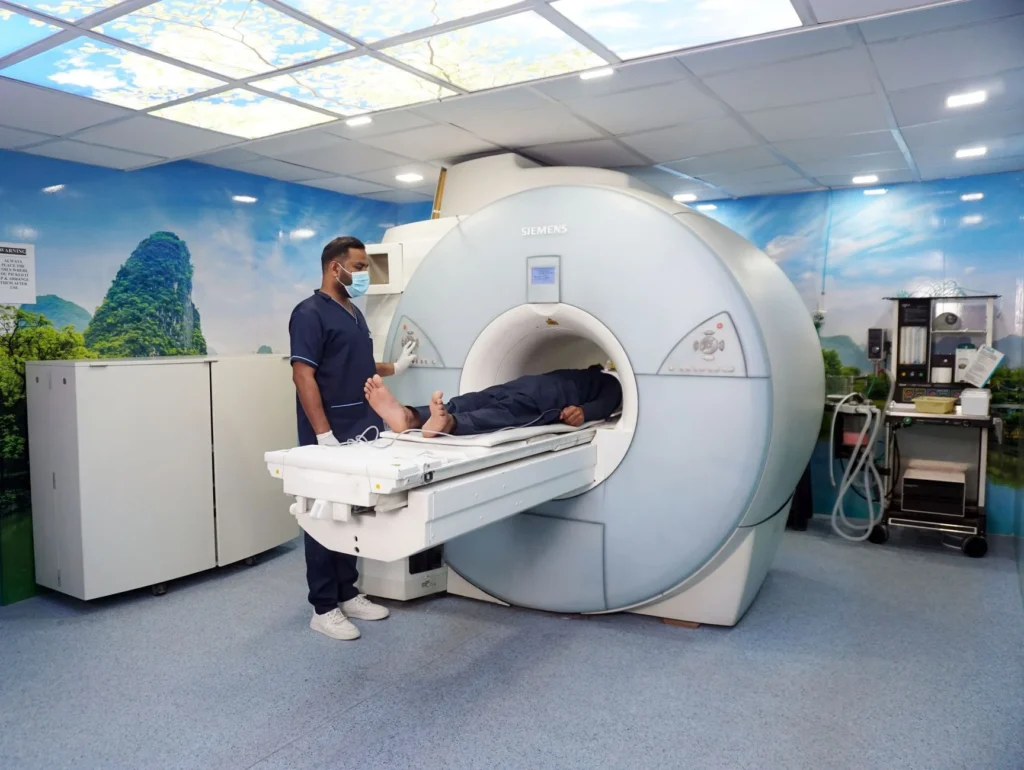
Disclaimer: These ranges are estimates for 2026 and can vary greatly based on geographic region, facility type (hospital vs. outpatient clinic), insurance coverage, specific imaging protocols, and whether contrast agents are used. Always consult your healthcare provider and insurance company for precise figures.
Getting a diagnostic scan doesn’t have to break the bank. In 2026, comparing prices remains a smart strategy. Many providers offer transparent pricing guides, or at least a good faith estimate, before your appointment. Don’t hesitate to shop around; an outpatient imaging center often charges less than a hospital for the same procedure. One common mistake people make is not inquiring about the ‘all-in’ cost, including facility fees and radiologist readings, before their appointment. Always ask for a comprehensive estimate.
Insurance and Payment Plans
Your insurance coverage will heavily influence your out-of-pocket expenses. Deductibles, co-pays, and co-insurance rates vary wildly. It’s vital to contact your insurance provider ahead of time to understand what’s covered and what isn’t. Many facilities also offer payment plans, which can make large bills more manageable. If you’re paying cash, sometimes a discount is available.
Understanding the Bill
Receiving an itemized bill is crucial. This document details every charge associated with your scan, from the imaging itself to radiologist fees and any contrast materials used. Review it thoroughly. Errors can happen, and understanding each line item empowers you to question discrepancies. Always ask for an itemized bill; it’s your right and often reveals unexpected charges.
Frequently Asked Questions
Why do MRI and CT scan prices vary so much?
Several factors contribute to wide price ranges, including the facility’s location (urban vs. rural), the type of facility (hospital vs. standalone imaging center), the age and sophistication of the equipment, whether contrast dye is used, and the complexity of the scan itself.
Absolutely. Most insurance plans require pre-authorization for non-emergency MRI and CT scans. Skipping this step can lead to your claim being denied, leaving you responsible for the entire cost.
Are radiologist fees included in the scan price?
Not always. Often, the facility fee covers the equipment and technicians, while the radiologist’s professional interpretation of the images is billed separately. Always clarify whether both are included in your initial quote.
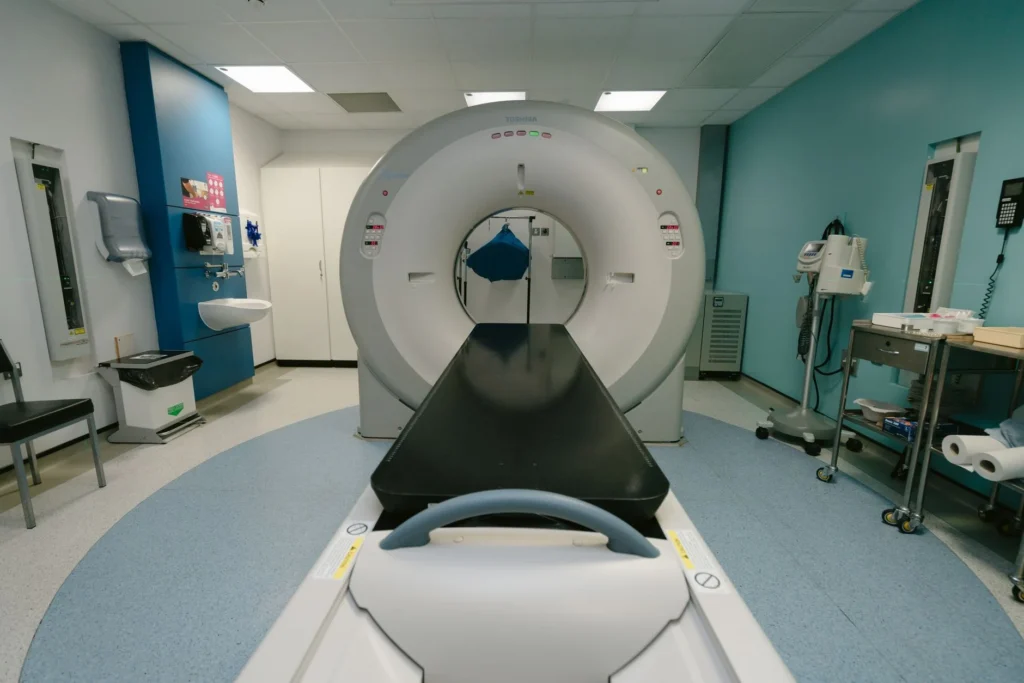
Images sourced from Pexels.