Flooring Costs: What’s the Real Price for Hardwood or Tile?
Deciding on new flooring is a big step for any homeowner. Whether you’re drawn to the timeless elegance of hardwood or the durable versatility of tile, understanding the true financial commitment upfront is key. It’s not just about the material price; installation, prep work, and potential surprises all play a significant role.
The latest estimates show a wide spectrum of costs, reflecting differences in material quality, installation complexity, and regional labor rates. We’ll break down the current average ranges for both options, helping you budget wisely and make an informed choice for your home.
Price Table
| Item/Service | Estimated Range (USD) | Notes | |
|---|---|---|---|
| 🌳 | Hardwood Material (per sq ft) | $3 – $15+ | Engineered hardwood is generally on the lower end, solid oak/maple mid-range, exotics higher. |
| 🧱 | Tile Material (per sq ft) | $2 – $15+ | Ceramic/porcelain are more affordable; natural stone, large format, or intricate designs increase cost. |
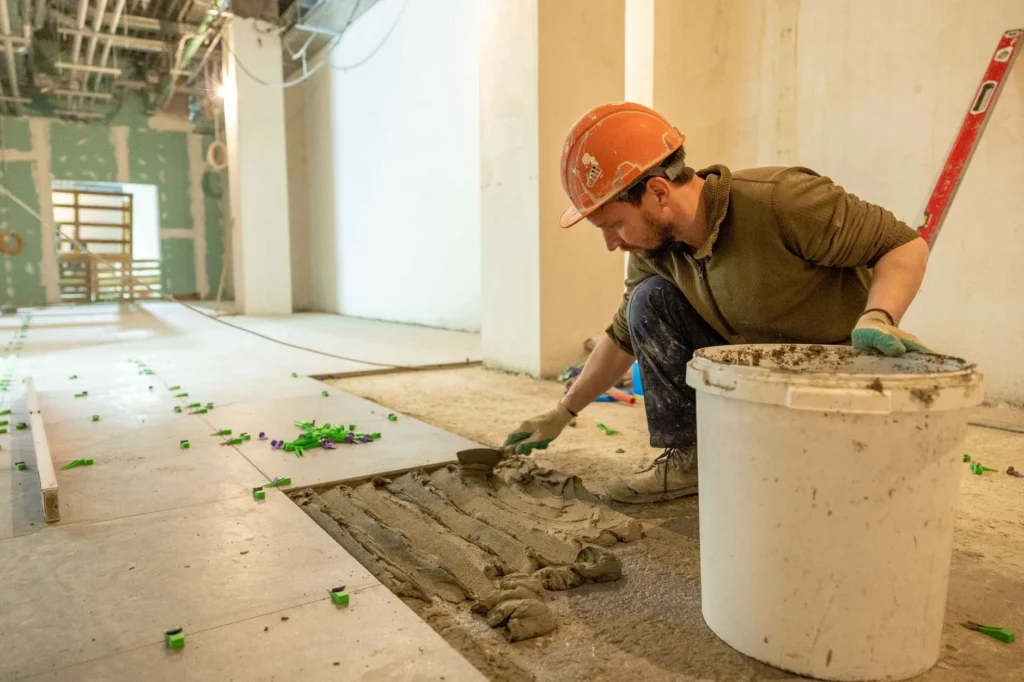
| 🛠️ | Subfloor Preparation (per sq ft) | $1 – $5 | Leveling, minor repairs, or sealing. Significant structural issues will cost more. |
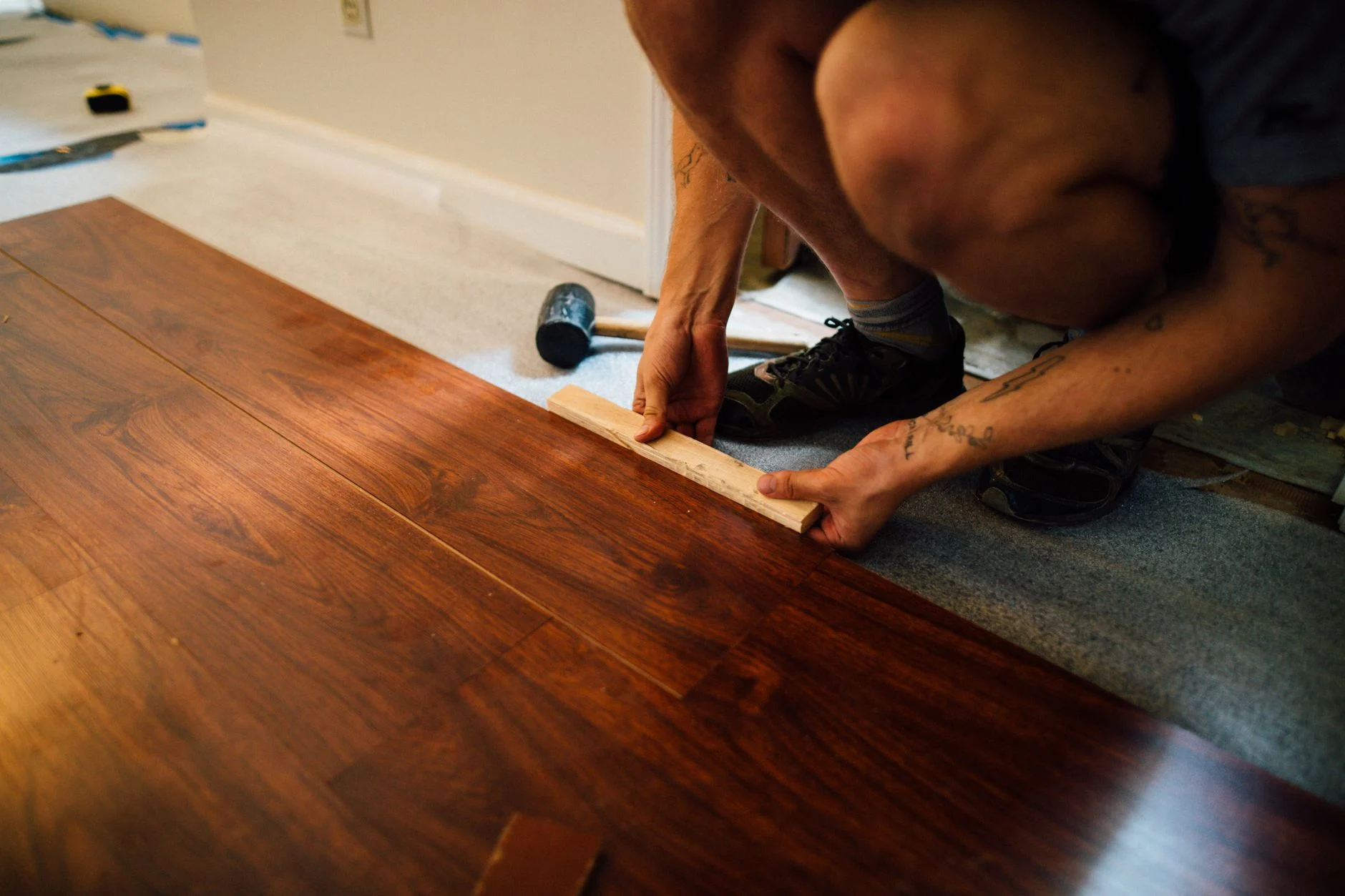
| 🚶♀️ | Hardwood Installation Labor (per sq ft) | $4 – $10 | Rates vary by region, contractor experience, and installation method (nail down vs. glue down). |
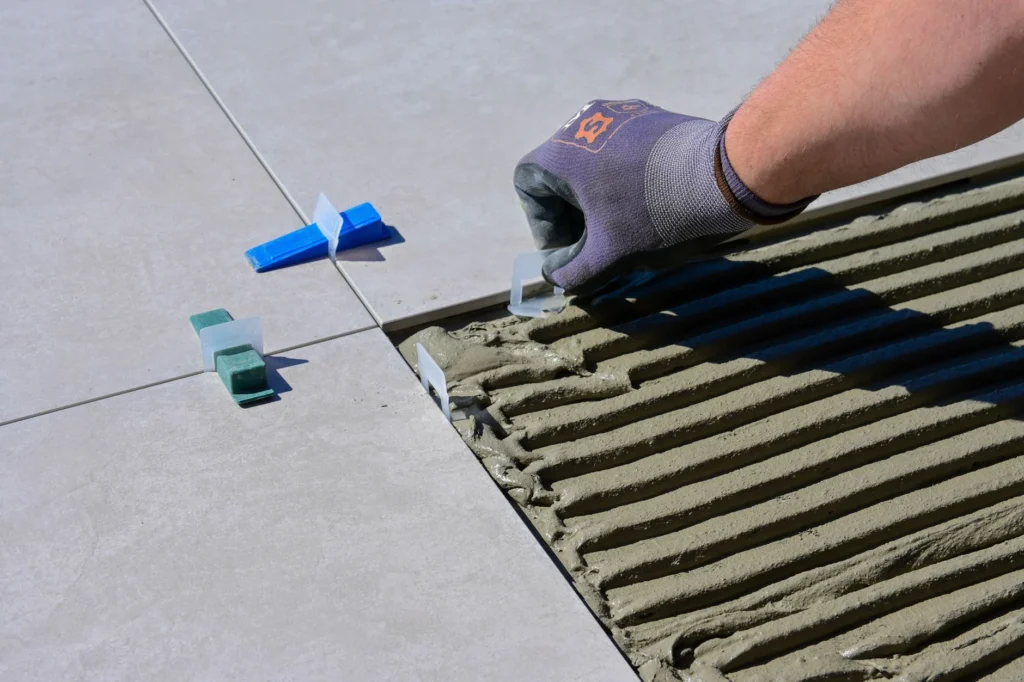
| 🏗️ | Tile Installation Labor (per sq ft) | $5 – $15+ | Complexity of pattern, size of tile, and need for specialized cuts drive up labor costs. |
| 💧 | Underlayment/Mortar/Grout (per sq ft) | $1 – $3 | Essential materials for proper installation, ensuring durability and finish. |
| 📐 | Trim/Transitions (per linear ft) | $2 – $6 | Baseboards, quarter rounds, and transition strips between different flooring types. |
| 🗑️ | Debris Removal | $150 – $500 (flat fee) | Hauling away old flooring and construction waste. Can be per square foot in some quotes. |
| TOTAL (Typical Project) | $3,000 – $15,000+ | This range represents a complete flooring project for a mid-sized area (e.g., 300-500 sq ft), including materials, labor, and basic prep. Actual costs depend heavily on project size, material choices, and labor rates. |
Factors Influencing Your Flooring Bill
Several elements significantly impact the final price tag for your new floors. Beyond the material you choose, the condition of your subfloor is paramount. Don’t overlook subfloor condition – it’s a common hidden expense that can inflate your total if not properly assessed upfront. Extensive repairs or leveling can add considerable time and cost. Furthermore, complex installation patterns, like herringbone for hardwood or intricate tile layouts, demand more skilled labor and, consequently, higher rates. Regional differences in labor costs and the quality of finishes also play a major role in how much you’ll ultimately pay.
Hardwood vs. Tile: Beyond the Price Tag
While costs are a major concern, it’s worth considering the long-term value. Hardwood, with proper care, can last for decades and often adds significant resale value to a home. Tile is exceptionally durable and water-resistant, making it ideal for high-traffic areas or moisture-prone rooms. However, while tile can seem budget-friendly upfront, complex patterns or natural stone options quickly escalate costs, often exceeding basic hardwood installations. Think about your lifestyle, maintenance preferences, and the aesthetic you desire. Sometimes, paying a bit more upfront saves money and headaches down the road.
Frequently Asked Questions
Q: Can I save money by DIYing my flooring installation?
A: Absolutely, but only if you have the necessary skills and tools. While DIY can save significantly on labor costs, mistakes can be expensive to fix. Hardwood installation and intricate tile work are often best left to professionals to ensure a quality, lasting finish.
Q: How accurate are these estimated ranges?
A: The ranges provided are current estimates based on typical market conditions and averages. However, exact prices will always vary based on your specific location, the chosen contractor, the quality of materials, and any unforeseen site-specific challenges. Always get multiple detailed quotes.
Q: What questions should I ask a contractor?
A: Key questions include: Do you provide a written estimate? Is waste removal included? What’s your warranty on labor? How long will the project take? Can you provide references? What are your payment terms? This helps clarify expectations and avoid surprises.
Images sourced from Pexels.