Car Wrap vs. Paint Protection: Which Investment is Right For You?
Deciding how to protect your vehicle’s finish is a big decision, and it’s easy to feel overwhelmed by the options. Two of the most popular choices in the current market are car wraps and paint protection treatments. Both promise to keep your ride looking sharp, but they achieve this in very different ways and come with distinct price tags and benefits.
Your car is a significant investment, so ensuring its exterior is safeguarded from daily wear and tear, road debris, and environmental elements just makes sense. The key is to understand what each solution offers, how much it generally costs, and ultimately, which path aligns best with your budget, aesthetic desires, and practical needs. Let’s break down the numbers and features so you can make an informed choice.
Price Table: Car Wraps vs. Paint Protection
Below are estimated ranges for various services. Remember, these figures can fluctuate significantly based on your geographic region, the specific provider, the quality of materials used, and the complexity of your vehicle’s design. Always obtain detailed quotes from reputable installers.
| Item/Service | Estimated Range (USD) | Notes | |
|---|---|---|---|
| 🚗 | Basic Car Wrap (Full Vehicle) | $2,000 – $5,000 | Full color change or promotional vinyl. Protects original paint, wide array of finishes. Varies by material quality and vehicle size. |
| ✨ | Premium Car Wrap (Full Vehicle) | $5,000 – $8,000+ | High-end vinyls, specialized textures (satin, chrome, matte, carbon fiber). Often more durable and unique. |
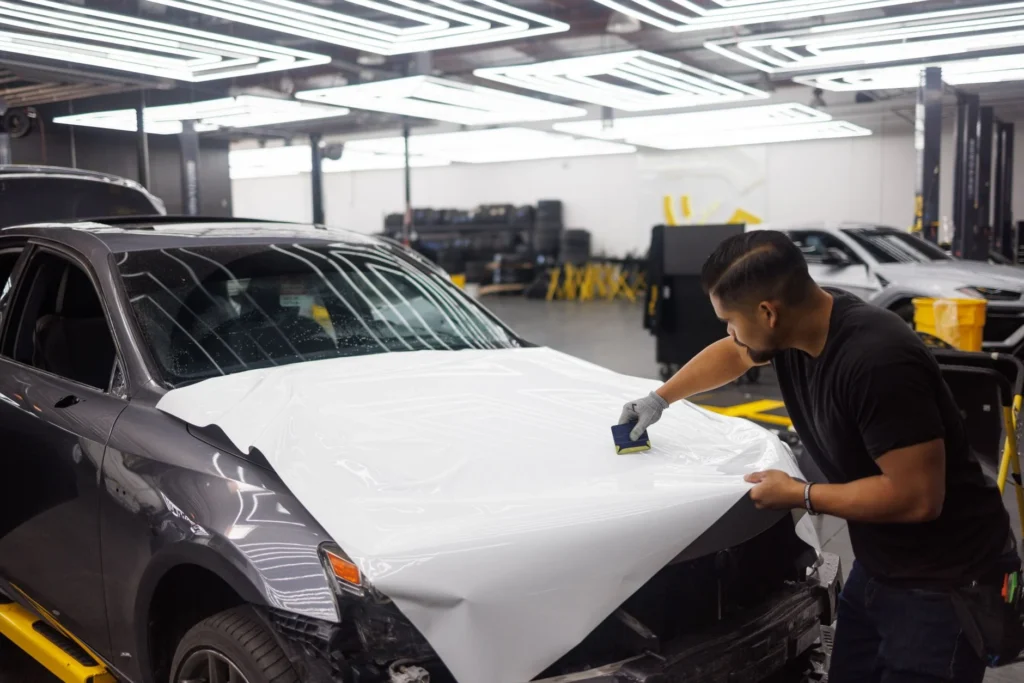
| 🛡️ | Paint Protection Film (PPF – Partial Coverage) | $800 – $2,500 | Clear, self-healing film. Typically covers high-impact areas like the front bumper, hood edges, mirrors, and fender sections. Excellent chip protection. |
| 💎 | Paint Protection Film (PPF – Full Vehicle) | $4,000 – $8,000+ | Comprehensive coverage for ultimate defense against rock chips, scratches, and minor abrasions. Higher labor cost due to extensive application. |
| 💧 | Ceramic Coating (Professional Application) | $500 – $2,000 | Liquid polymer applied by hand. Creates a hydrophobic layer, enhancing gloss, making cleaning easier, and offering UV protection. Less impact resistance than PPF. |
| 🛠️ | Ceramic Coating (DIY Kit) | $50 – $200 | A budget-friendly option for the hands-on enthusiast. Results can vary widely based on preparation and application skill. |
| TOTAL Investment Considerations | Varies greatly | The overall cost depends entirely on your chosen level of coverage, material quality, and the installer’s expertise. Always factor in potential removal costs for wraps in the long run. |
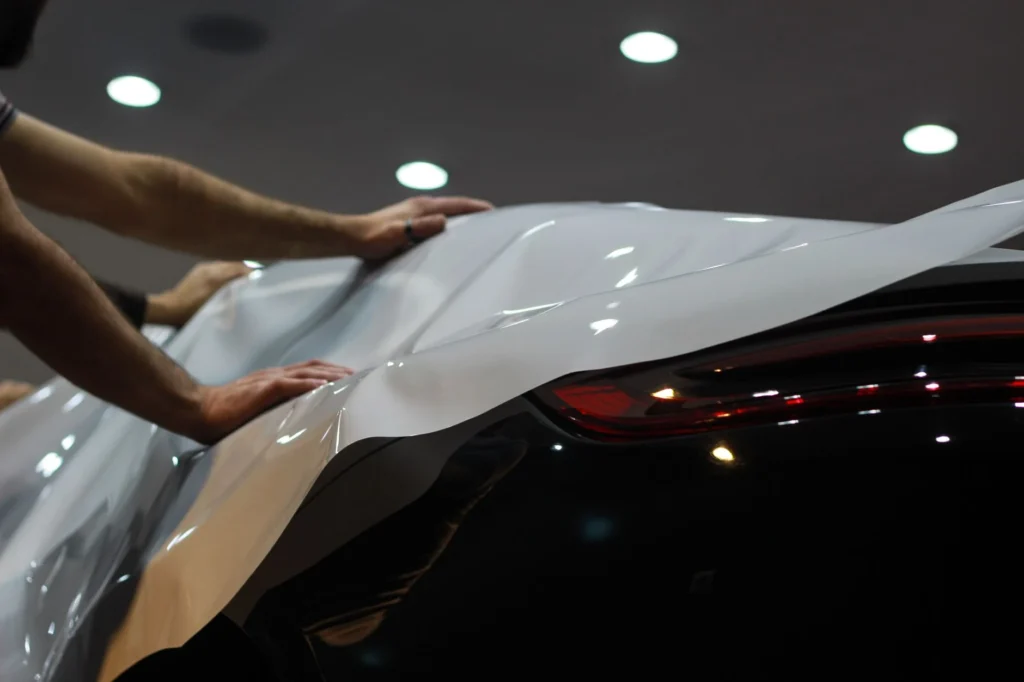
What’s Your Main Goal: Aesthetics or Protection?
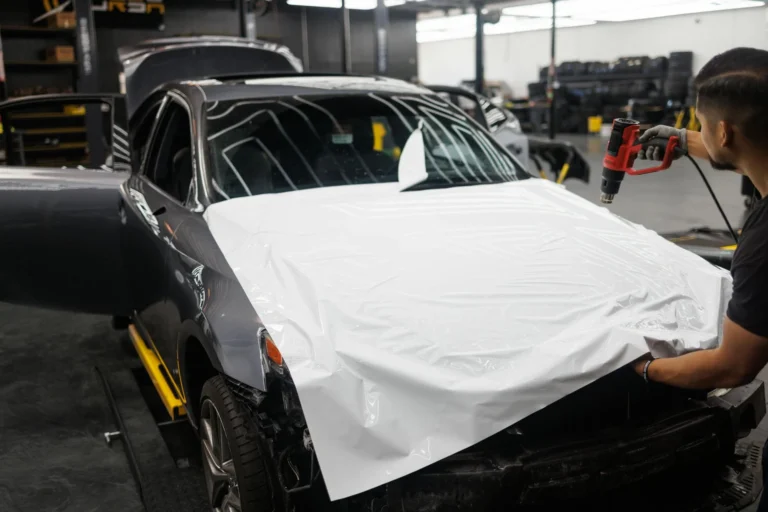
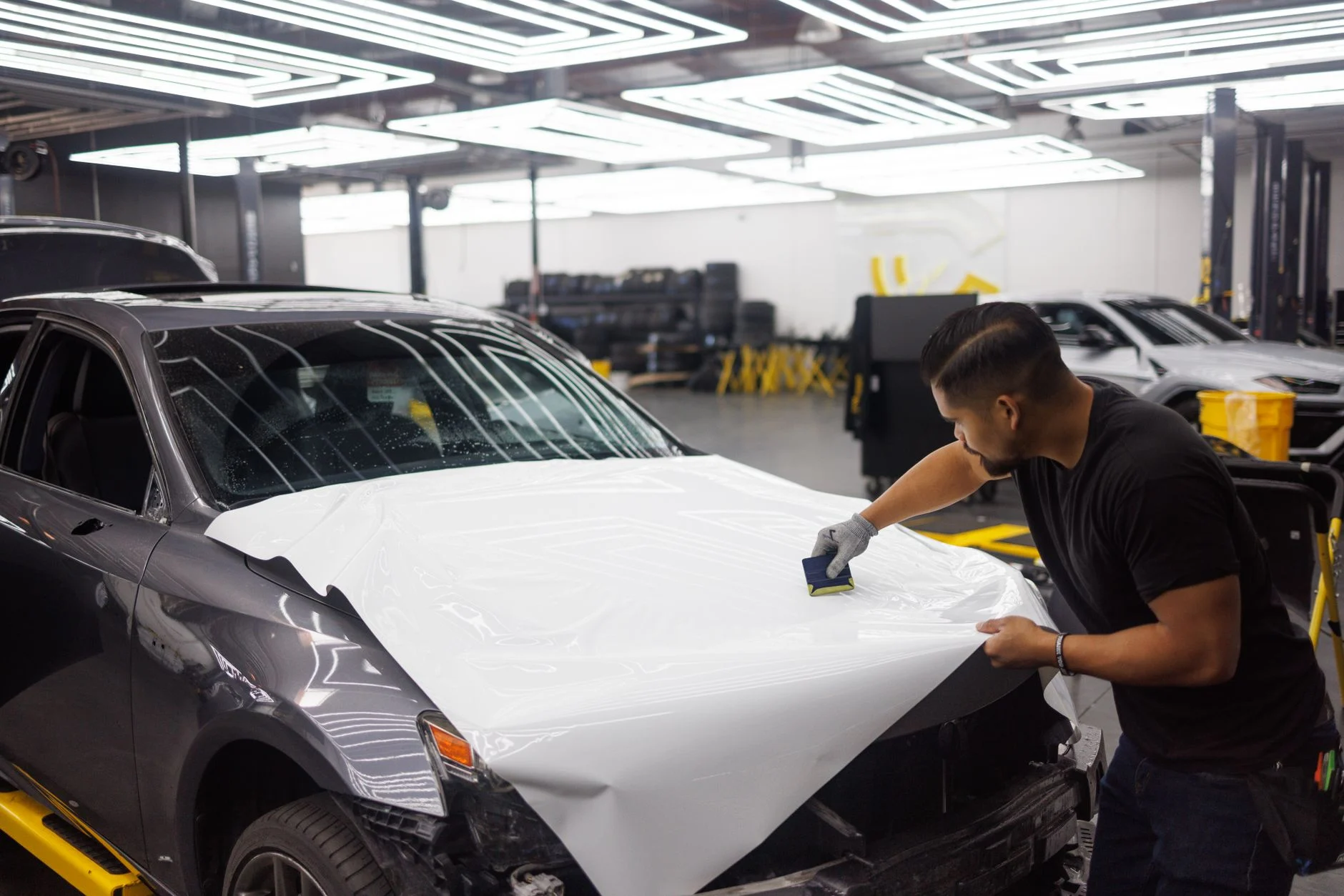
This is the fundamental question. If your primary aim is to dramatically change your car’s appearance – think a vibrant color shift, a unique texture, or even a branded look – a car wrap is probably your best bet. Wraps offer incredible customization options that paint simply can’t match at a comparable cost. They also provide a decent layer of protection against minor scratches and UV fading for the original paint underneath.
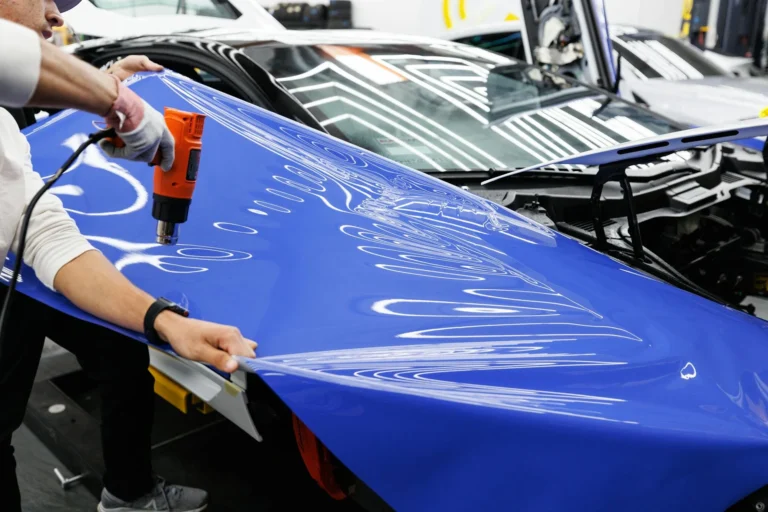
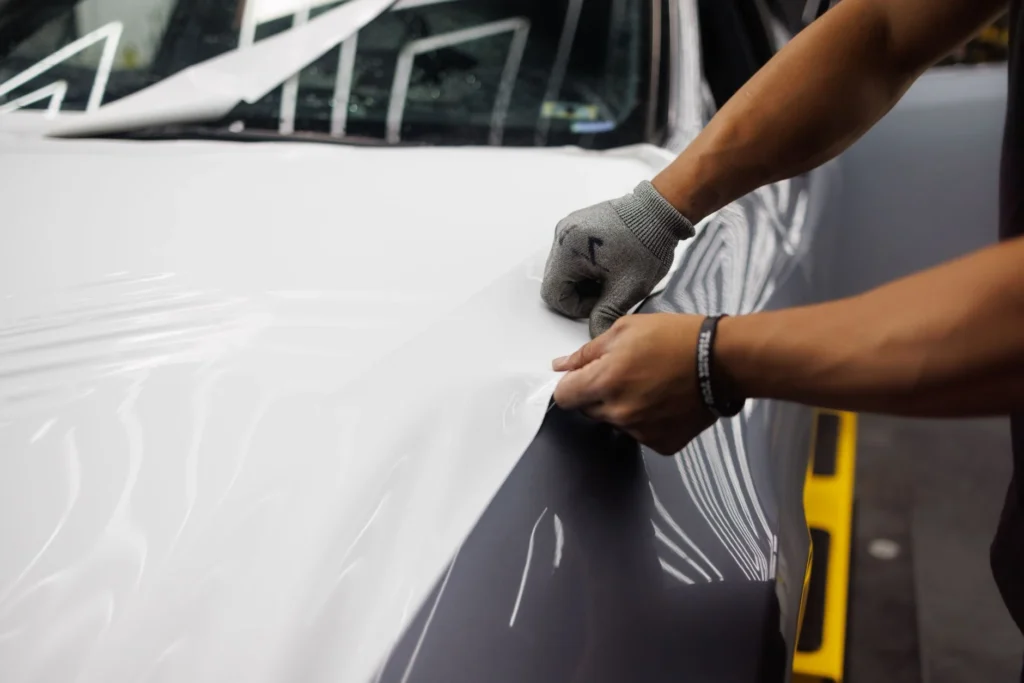
On the flip side, if robust defense against rock chips, deep scratches, and environmental damage is your top priority, especially for a new or high-value vehicle, then Paint Protection Film (PPF) is the undisputed champion. It’s a clear, tough, self-healing layer designed specifically to absorb impacts. Ceramic coatings, while not offering the same physical impact protection as PPF, excel at making your car easier to clean and providing excellent UV resistance and gloss enhancement.
Durability, Maintenance, and The Long Game
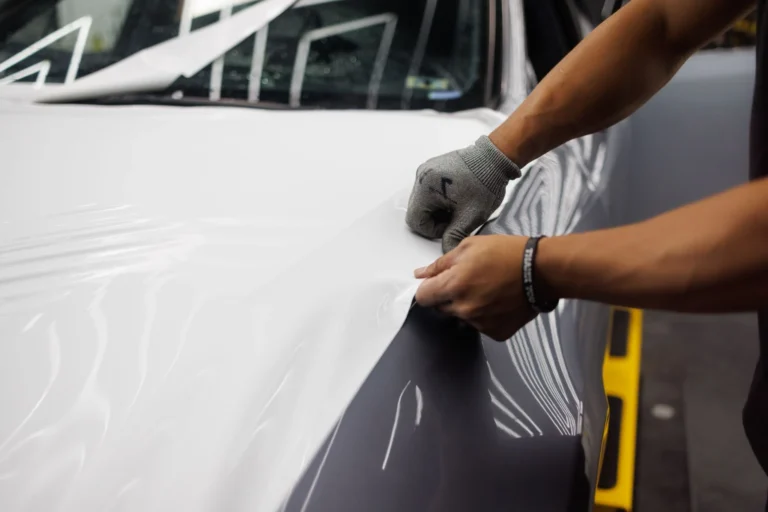
A common mistake people make is only looking at the upfront cost without considering the long-term implications. Car wraps typically last 3-7 years, depending on the material quality and environmental exposure. While maintenance is relatively easy – usually just hand washing – eventual removal can incur additional costs, especially if the wrap has degraded or a poor-quality film was used. Removing an old, brittle wrap can sometimes damage the underlying clear coat if not done professionally.
PPF is built for longevity, often boasting a 5-10 year lifespan, and in some cases even longer with warranties. It’s incredibly low maintenance, requiring little more than regular washing. Ceramic coatings usually last 2-5 years professionally applied, offering ease of cleaning and protection against chemical stains. For all options, diligent cleaning and avoiding harsh chemicals will extend their lifespan significantly. Don’t forget to ask about warranties and recommended aftercare from your installer.
FAQ: Quick Answers for Smart Decisions
Q: Will a car wrap damage my original paint?
A: When applied and removed professionally, a high-quality vinyl wrap should not damage your car’s original factory paint. In fact, it protects it from UV rays and minor abrasions. Issues typically arise from improper application/removal or low-quality vinyls.
Q: Can I apply PPF or ceramic coating myself?
A: While DIY kits exist, especially for ceramic coatings, achieving professional-level results for PPF or even ceramic coating requires significant skill, proper tools, and a dust-free environment. For best results and warranty eligibility, professional installation is highly recommended.
Q: How do these options affect my car’s resale value?
A: Both a wrap (if well-maintained and professionally removed to reveal pristine paint) and paint protection films/ceramic coatings (which preserve the original finish) can positively impact resale value. A car with a well-preserved original paint job is always more attractive to potential buyers.
Images sourced from Pexels.