Updated HVAC Installation Costs: What You Need to Know Today
Upgrading your home’s heating, ventilation, and air conditioning (HVAC) system is a significant investment. It’s not just about comfort; it impacts your energy bills, indoor air quality, and overall property value. Understanding the current financial landscape for HVAC installation is crucial before you embark on this important home improvement project.
Many factors influence the final price tag, from the type of system you choose to the complexity of the installation. Being informed can help you make smarter decisions, avoid unexpected expenses, and ensure you get the best value for your money. Let’s dive into what you can expect today.
Price Table
| Item/Service | Estimated Range (USD) | Notes | |
|---|---|---|---|
| 🏠 | Full HVAC System (AC + Furnace Units) | $6,000 – $12,000 | Cost of the primary units themselves; varies by size, brand, and efficiency (SEER/AFUE). |
| 🛠️ | Installation Labor | $1,500 – $4,000 | Covers removal of old system, setup of new, testing, and connection. |
| 🌀 | Ductwork Modifications/Repair | $500 – $2,500 | Necessary if existing ducts are old, leaky, or need resizing for new system. |
| ⚡ | Electrical Upgrades | $200 – $800 | For homes needing updated wiring or circuit capacity for new units. |
| 🌡️ | New Thermostat (Smart/Programmable) | $150 – $500 | Smart thermostats offer convenience and can optimize energy use. |
| 📜 | Permits & Inspection Fees | $100 – $500 | Required by most municipalities; ensures code compliance and safety. |
| TOTAL | $8,450 – $20,300+ | Note: These are estimated ranges. Actual costs depend heavily on your location, contractor, system complexity, and desired quality/efficiency. Always get multiple quotes! |
Key Factors Influencing Your HVAC Costs
The total expense of your HVAC installation isn’t static. Several key elements play a significant role in determining the final price:
- System Type & Efficiency: High-efficiency units (with higher SEER for AC and AFUE for furnaces) often come with a higher upfront cost but can lead to substantial savings on energy bills over time.
- Home Size & Layout: Larger homes or those with complex layouts might require bigger units, more extensive ductwork, or specialized installation, all of which increase costs.
- Regional Labor Rates: Labor costs vary significantly by geographic location. What you pay in a major metropolitan area could be different from a rural one.
Don’t Forget the Details
Two common oversights can add unexpected expenses or lead to long-term issues:
A common mistake people make is overlooking the condition of their existing ductwork. Even a brand-new, high-efficiency system won’t perform optimally if your ducts are leaky, undersized, or poorly configured. Always have your ducts thoroughly inspected and be prepared for potential modifications or repairs. This crucial step ensures efficient airflow and maximum comfort.
Choosing the right contractor is paramount. Don’t simply opt for the cheapest bid. Look for licensed, insured professionals with a strong track record and positive reviews. Quality installation prevents future headaches, costly repairs, and ensures your system operates as intended for years to come.
Frequently Asked Questions
Q: Can I save money by installing HVAC myself?
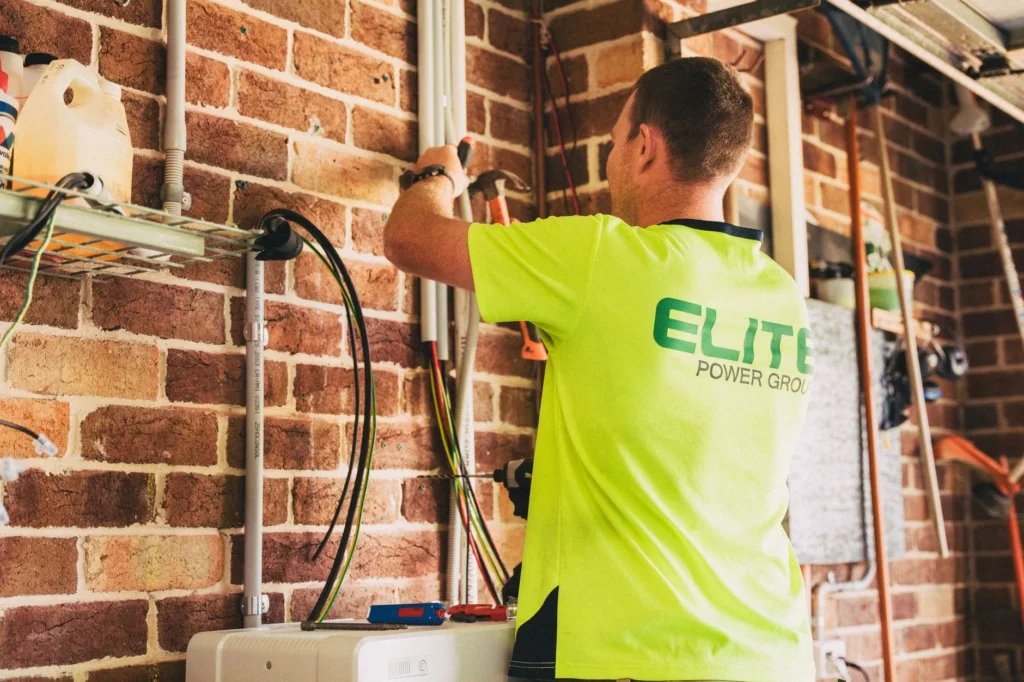
A: HVAC installation is a complex job that typically requires specialized tools, technical knowledge, and often professional licensing. Attempting a DIY installation can void warranties, lead to inefficient operation, and even pose safety risks. It’s almost always best left to certified experts.
Q: How long does an HVAC installation take?
A: A complete system replacement (AC and furnace) usually takes 1 to 3 days. The exact timeframe depends on the complexity of your home’s setup, whether ductwork modifications are needed, and if any electrical upgrades are required.
Q: Are there any rebates or incentives available for new HVAC systems?
A: Often, yes! Many local utility companies, state programs, and federal initiatives offer rebates or tax credits for installing energy-efficient HVAC systems. Ask your contractor, or check online resources for programs in your area, as these can significantly reduce your out-of-pocket costs.
Images sourced from Pexels.