Understanding Today’s Window Replacement Costs & Benefits
Replacing windows is a significant home improvement project, one that often brings substantial benefits. New windows can dramatically impact your home’s energy efficiency, comfort levels, and curb appeal, potentially adding considerable value to your property.
Before embarking on such an upgrade, it’s essential to grasp the financial investment involved and the long-term advantages. Understanding the current market costs for various window types and installation services will empower you to make informed decisions that align with your budget and home improvement goals.
Price Table
| Item/Service | Estimated Range (USD) | Notes | |
|---|---|---|---|
| 🏠 | Basic Vinyl Window (per unit) | $250 – $600 | Standard double-hung, non-custom size |
| 🏡 | Mid-Range Window (Wood/Fiberglass, per unit) | $600 – $1,200 | Better insulation, durability, and aesthetics |
| ✨ | Premium Window (High-end Wood/Composite, per unit) | $1,200 – $2,500+ | Custom sizes, special features, or historic styles |
| 🛠️ | Installation Labor (per window) | $100 – $350 | Varies by complexity, region, and installer |
| 📝 | Permits & Inspections (project) | $75 – $300 | Required in many areas; often a flat fee |
| ♻️ | Old Window Removal & Disposal (per window) | $25 – $75 | Environmental fees and labor for hauling away |
| 💡 | Additional Materials (trim, caulk, insulation) | $20 – $50 | Finishing touches for a sealed, aesthetic fit |
| 💲 | TOTAL Project Cost (e.g., 5-10 windows) | $3,500 – $25,000+ | Overall project cost, highly dependent on quantity, materials, and labor. |
Disclaimer: These are estimated ranges. Actual costs will vary significantly based on your geographic location, the specific window manufacturer, material choices, installation complexity, and the contractor you choose. Always get multiple detailed quotes.
Key Benefits of New Windows
Upgrading your windows offers more than just a fresh look. Modern windows are engineered for superior performance, translating into tangible advantages for your home and wallet.
Energy Savings & Comfort
One of the primary drivers for window replacement is improved energy efficiency. Newer windows feature advanced glazing, low-emissivity (Low-E) coatings, and insulated frames that significantly reduce heat transfer. This means your HVAC system won’t have to work as hard, leading to noticeable savings on current utility bills. Beyond savings, you’ll experience a more consistent indoor temperature, eliminating drafts and cold spots.
Increased Home Value & Curb Appeal
New windows are a smart investment, often providing a strong return on investment when selling your home. They enhance your home’s aesthetic appeal, making it look well-maintained and modern from the outside. Inside, they can brighten rooms and improve overall comfort, making your property more attractive to potential buyers.
Reduced Noise & Enhanced Security
Many contemporary windows offer better sound insulation, which is a major plus if you live near busy streets or noisy neighbors. Thicker glass, multiple panes, and better seals work together to dampen exterior sounds. Additionally, newer windows often come with more robust locking mechanisms, adding an extra layer of security to your home.
FAQ
Q1: Is DIY window replacement worth it?
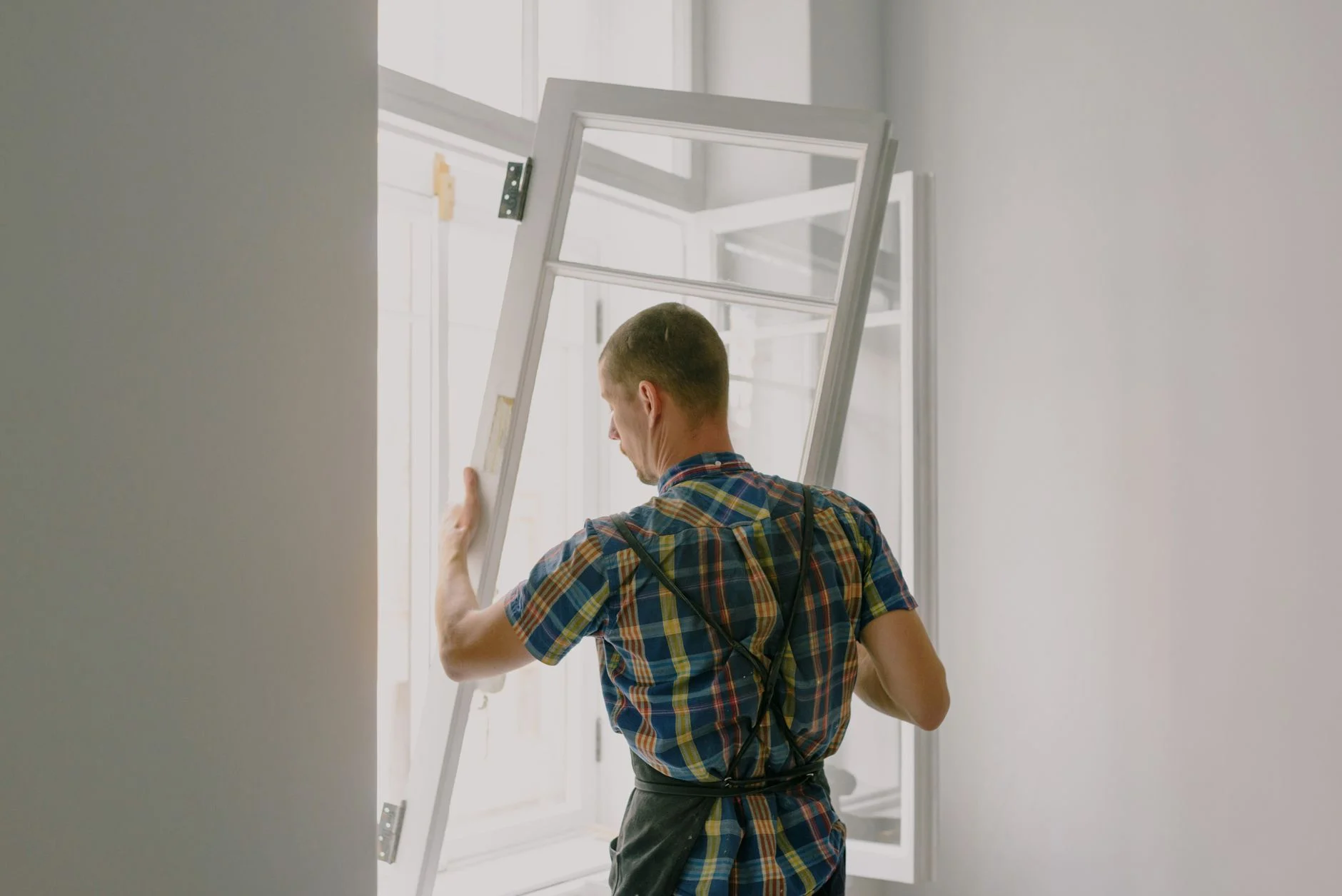
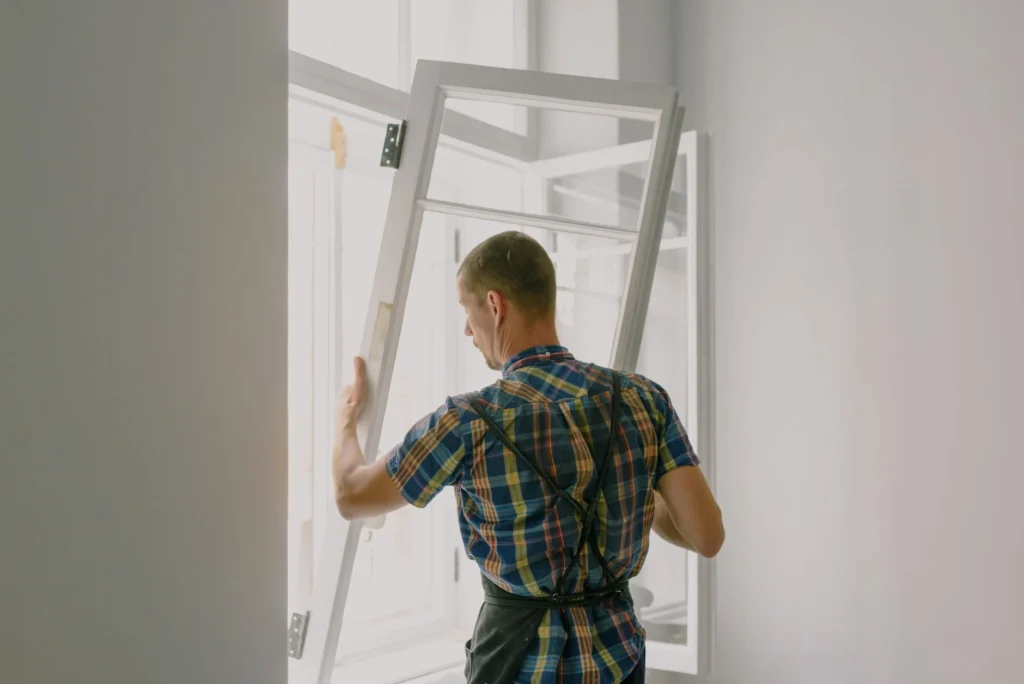
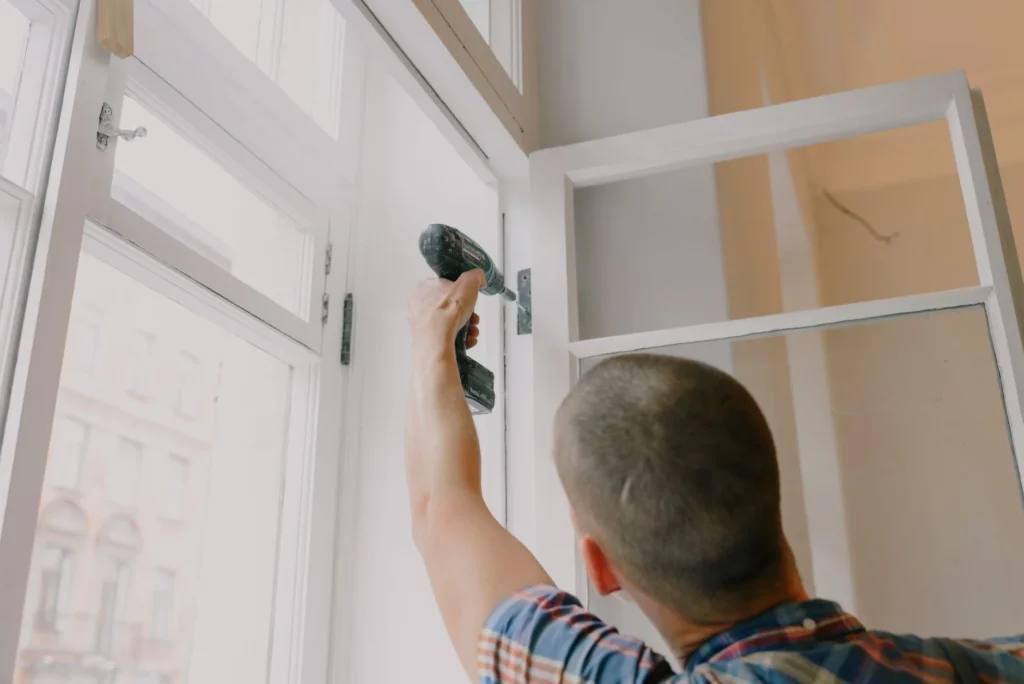
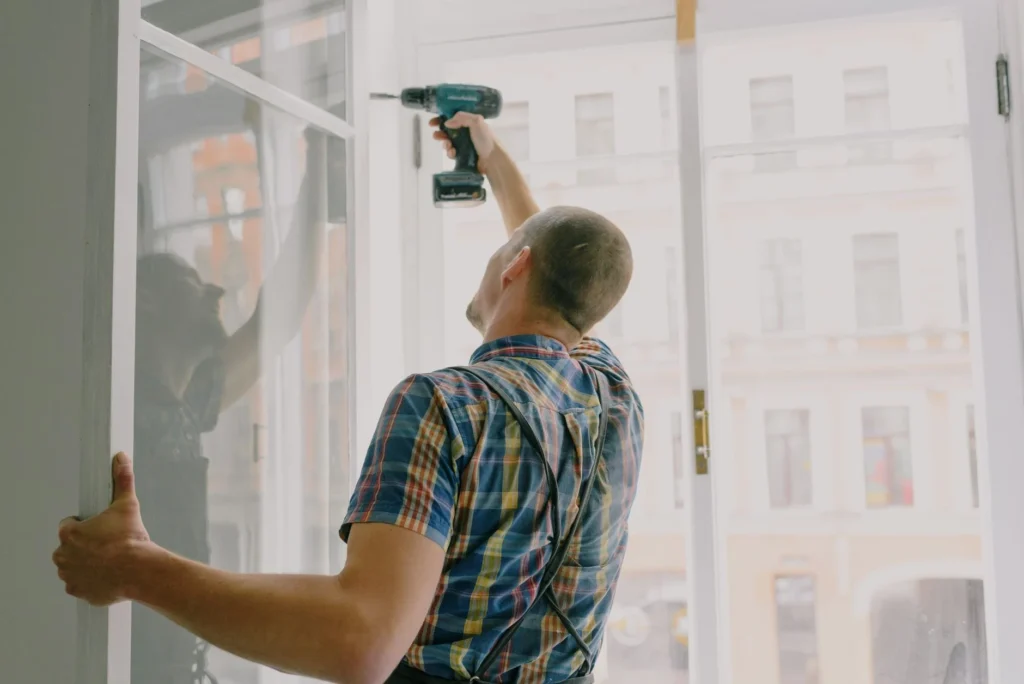
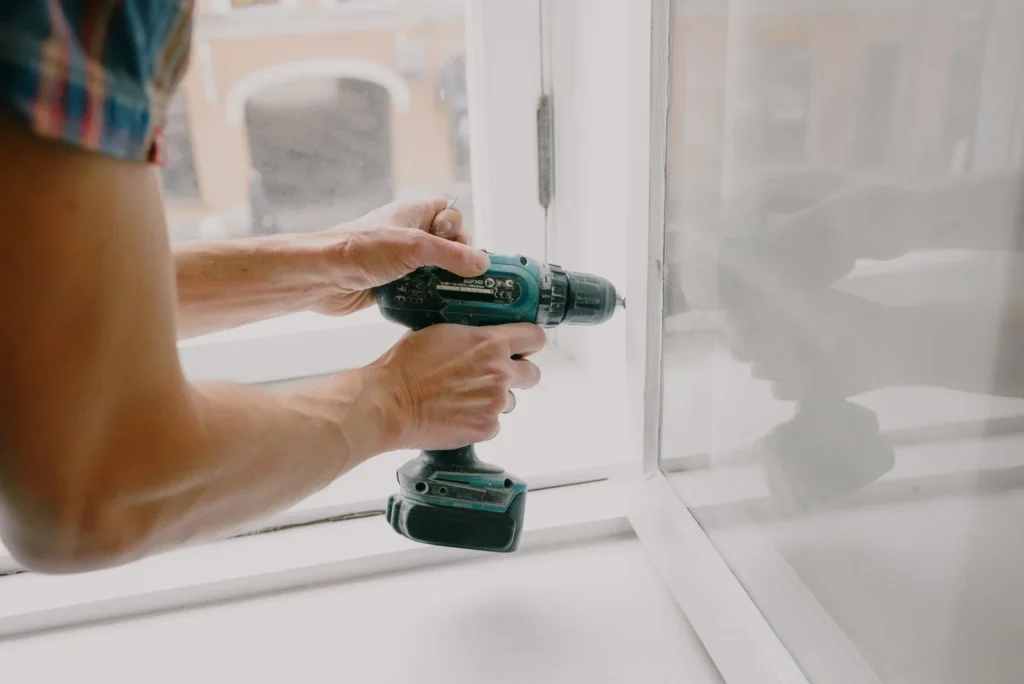
For a full window replacement project, DIY is generally not recommended unless you have extensive experience. It’s a complex job requiring precision measurements, proper sealing, and safe handling of large, heavy materials. Improper installation can lead to drafts, water damage, voided warranties, and even structural issues. It’s often best left to professionals.
Q2: How long do new windows last?
The lifespan of new windows varies by material and quality, but you can generally expect them to last between 15 to 30 years or more. Vinyl windows typically last 20-40 years, while wood or fiberglass windows can last 30-50 years with proper maintenance.
Q3: What is a common mistake homeowners make?
A common mistake is focusing *only* on the lowest upfront cost. While budget is important, overlooking energy efficiency ratings (like U-factor and SHGC), the quality of the window materials, and the installer’s reputation can lead to higher long-term costs in energy bills and potential repair issues down the line. It’s crucial to balance initial cost with long-term value and performance.
Images sourced from Pexels.