Fence Installation Costs 2026: Your Guide to Budgeting
Planning a fence installation for your property in 2026? Whether you’re aiming for added privacy, enhanced security, or simply boosting curb appeal, understanding the potential expenses involved is crucial. Fences come in a vast array of materials, styles, and heights, all of which significantly influence the final price tag.
Budgeting effectively for a new fence means looking beyond just the material. You’ll need to account for labor, site preparation, potential gates, and local permits. This guide breaks down the typical costs you can expect in 2026, helping you make informed decisions and get the best value for your investment.
Price Table
| Item/Service | Estimated Range (USD) | Notes | |
|---|---|---|---|
| 🪵 | Fence Materials (per linear foot) | $15 – $75+ | Varies significantly by material: chain link (lower), wood/vinyl (mid), aluminum/composite (higher), wrought iron (highest). |
| 👷 | Labor (per linear foot) | $10 – $40 | Depends on fence type, complexity, terrain, and regional labor rates. |
| 🚧 | Old Fence Removal & Disposal (per linear foot) | $3 – $8 | If applicable; includes demolition and hauling away existing structures. |
| 🚪 | Gate Installation (per gate) | $250 – $1,500+ | Basic walk-through gates are less; double gates or automated driveway gates are much more. |
| 📜 | Permits & Inspections | $50 – $300 | Required by many municipalities; check local building codes. |
| 🛡️ | Staining/Sealing (for wood, per linear foot) | $2 – $6 | Optional, but recommended for wood fences to prolong life and maintain appearance. |
| TOTAL (per linear foot, average project) | $30 – $120+ | **This range is a general estimate. Actual costs vary widely based on region, contractor, materials chosen, and site-specific challenges. Always get multiple quotes.** |
Factors Influencing Your Fence Budget
Several key elements will dictate where your fence project falls within the estimated ranges for 2026. The most significant is your choice of material: wood offers classic appeal but requires more maintenance, vinyl is low-maintenance and durable, while aluminum or wrought iron provide strength and aesthetics. The overall length and height of the fence also play a massive role; a longer, taller fence naturally requires more material and labor.

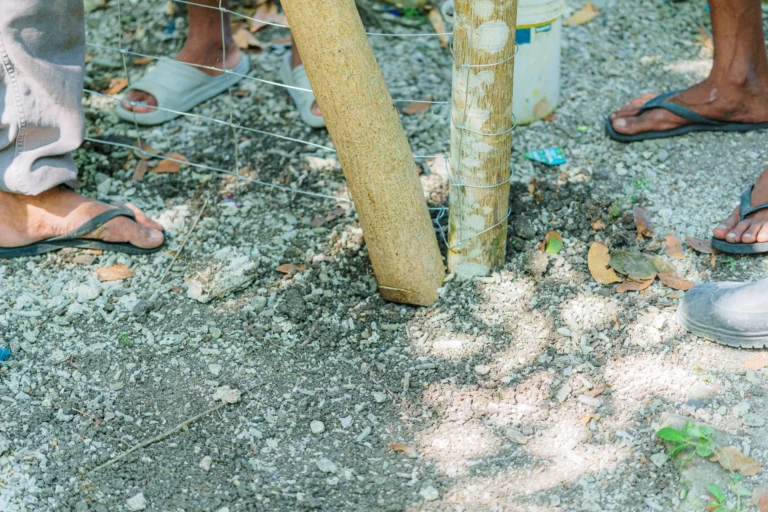
Don’t forget about the terrain. Installing a fence on uneven or rocky ground is more complex and time-consuming, driving up labor costs. Special features like multiple gates, custom designs, or privacy screens will also add to the expense. Finally, remember those often-overlooked costs like site preparation (clearing brush, leveling ground) and securing local building permits, which can add a surprising amount if not factored in early.
DIY vs. Professional Installation
Contemplating a do-it-yourself fence project? While taking on the installation yourself can certainly save on labor costs, it’s not without its challenges. A common mistake people make is underestimating the time commitment, the specialized tools required (like post-hole diggers, levels, and power saws), and the sheer physical effort involved. For basic fences on level ground, DIY might be feasible, but for complex designs, difficult terrain, or if time is a critical factor, hiring a professional is almost always the smarter choice. Professionals bring expertise, efficiency, and often warranties on their work.
Getting the Best Value in 2026
To ensure you get a quality fence without overspending, start by gathering at least three detailed quotes from different contractors. Make sure each quote clearly outlines material costs, labor, and any additional fees like old fence removal or permit acquisition. Always ensure your contractor’s quote includes all necessary permits and disposal fees to avoid nasty surprises later. Check references and review portfolios of past work. Don’t be afraid to ask questions about materials, installation timelines, and warranties. A little due diligence upfront can save you significant headaches and money down the line.
Frequently Asked Questions
Q: Do I need a permit for a fence in 2026?
A: In most areas, yes, especially for fences above a certain height or in specific locations (e.g., near property lines, easements, or pools). Always check with your local municipality or HOA before starting.
Q: How long does fence installation typically take?
A: For a standard residential fence, installation can range from a few days to a week or more, depending on the length, material, complexity, and weather conditions.
Q: What’s the most durable fence material for 2026?
A: Vinyl, aluminum, and composite materials generally offer excellent durability with minimal maintenance. Wrought iron is also extremely durable but comes at a higher cost and may require occasional repainting.
Q: Can I save money by buying materials myself?
A: Sometimes, but often contractors get materials at wholesale prices that individuals cannot access, potentially negating your savings. Discuss this with your chosen contractor before purchasing anything.

Images sourced from Pexels.