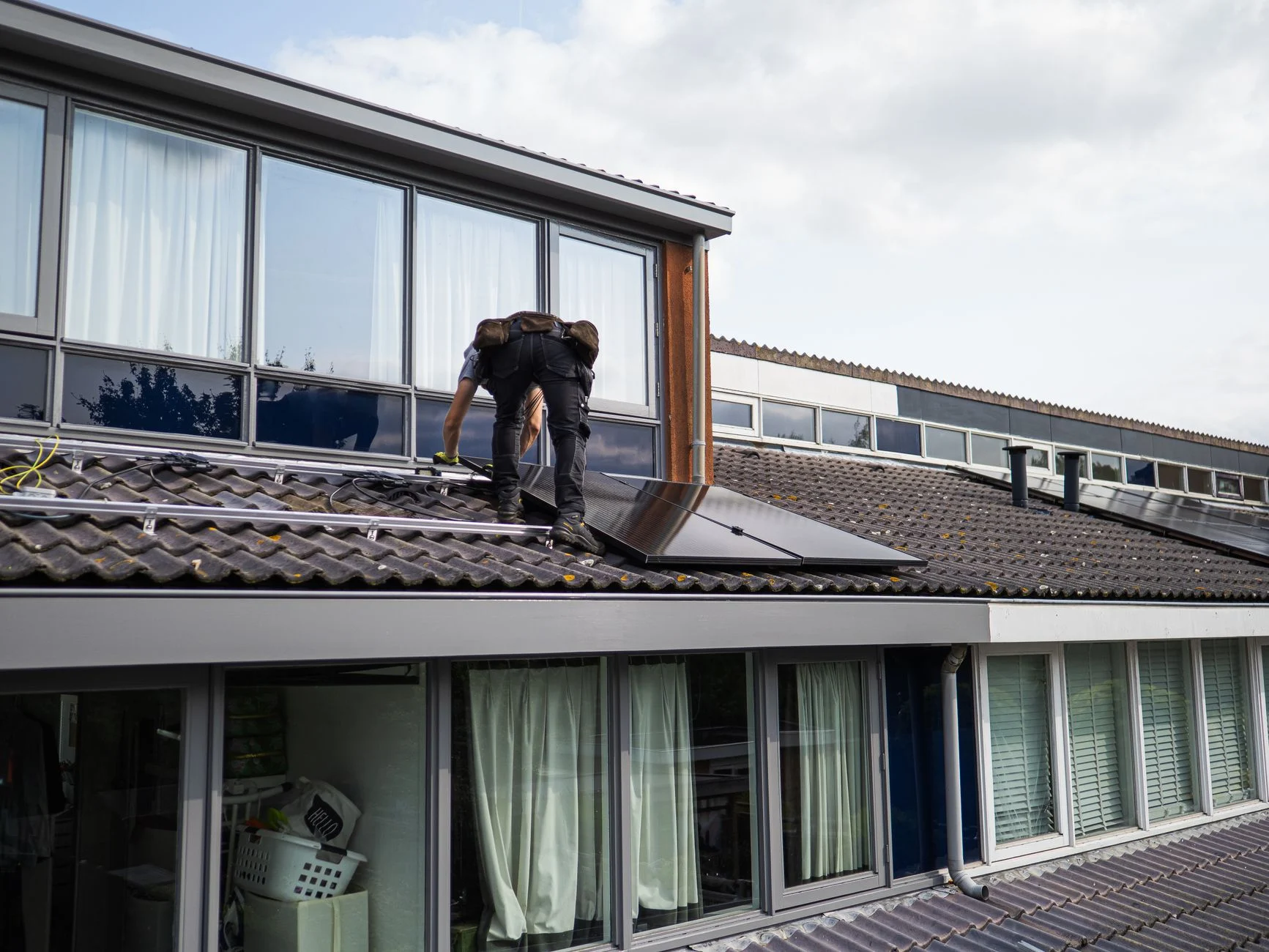
The Real Cost of Solar Panel Installation: Current Savings Explained
Considering solar panels for your home is a significant decision, often seen as a hefty upfront cost. However, framing it purely as an expense misses the bigger picture: it’s a strategic investment that pays dividends over time, significantly reducing your long-term energy outlays.
While the initial outlay can vary widely based on numerous factors, understanding the components that make up the total price helps demystify the process. Beyond just the panels themselves, you’re investing in a complete energy system designed to bring substantial savings and increase your home’s value.
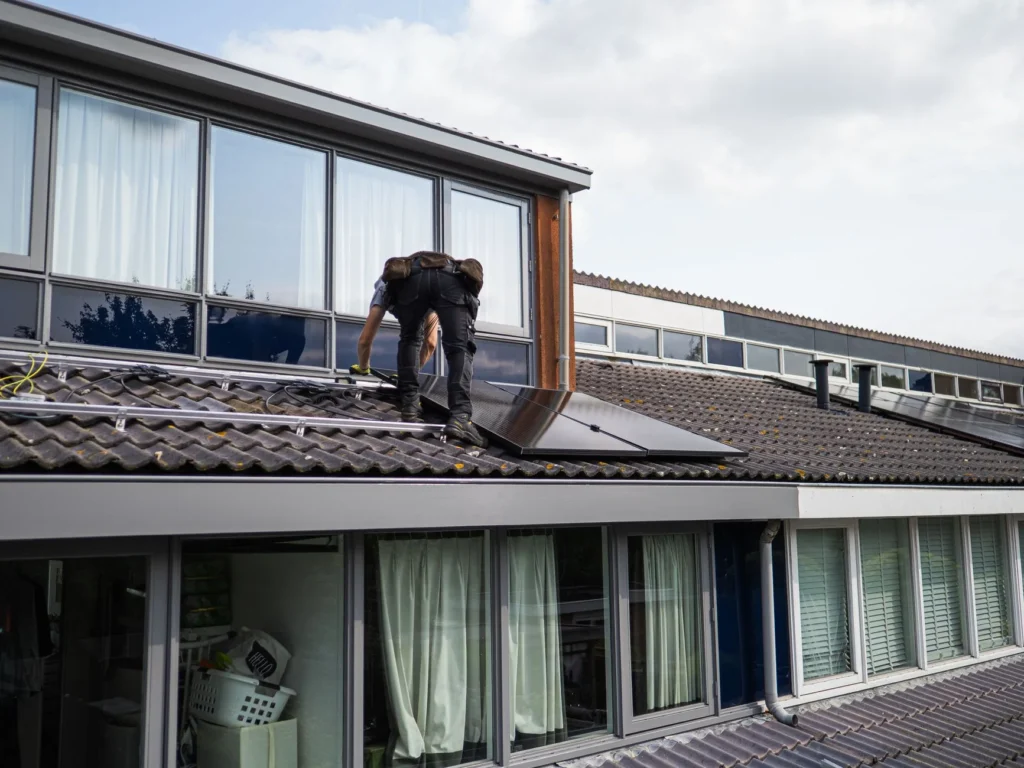
Price Table: Current Solar Panel Installation Costs
Note: These are estimated ranges. Actual costs vary significantly by region, system size, provider, and equipment quality. Always obtain multiple quotes tailored to your specific property.
| Item/Service | Estimated Range (USD) | Notes | |
|---|---|---|---|
| ☀️ | Solar Panels (PV Modules) | $10,000 – $25,000+ | Cost depends on panel efficiency, brand, and system size (e.g., 6kW – 12kW). |
| ⚡ | Inverter(s) | $1,500 – $5,000 | Converts DC to AC power. Microinverters are often on the higher end but offer individual panel optimization. |
| 🛠️ | Mounting Hardware & Racking | $1,000 – $3,000 | Securely attaches panels to your roof or ground. Cost varies with roof type and complexity. |
| 👨🔧 | Labor & Installation | $4,000 – $10,000+ | Professional installation, wiring, and system setup. Varies by region and system complexity. |
| 📜 | Permits & Inspections | $500 – $2,000 | Required local and utility permits, ensuring safety and compliance. |
| 🔌 | Electrical Work & Wiring | $1,000 – $4,000 | Connecting to your home’s electrical panel, upgrades if necessary. |
| 🔋 | Battery Storage (Optional) | $8,000 – $20,000+ | Stores excess energy for use during outages or peak hours. Significantly adds to cost but boosts energy independence. |
| 📊 | System Monitoring | Included – $500 | Hardware/software to track performance; often included in total system price. |
| TOTAL (Without Battery) | $18,000 – $50,000+ | ||
| TOTAL (With Battery) | $26,000 – $70,000+ |
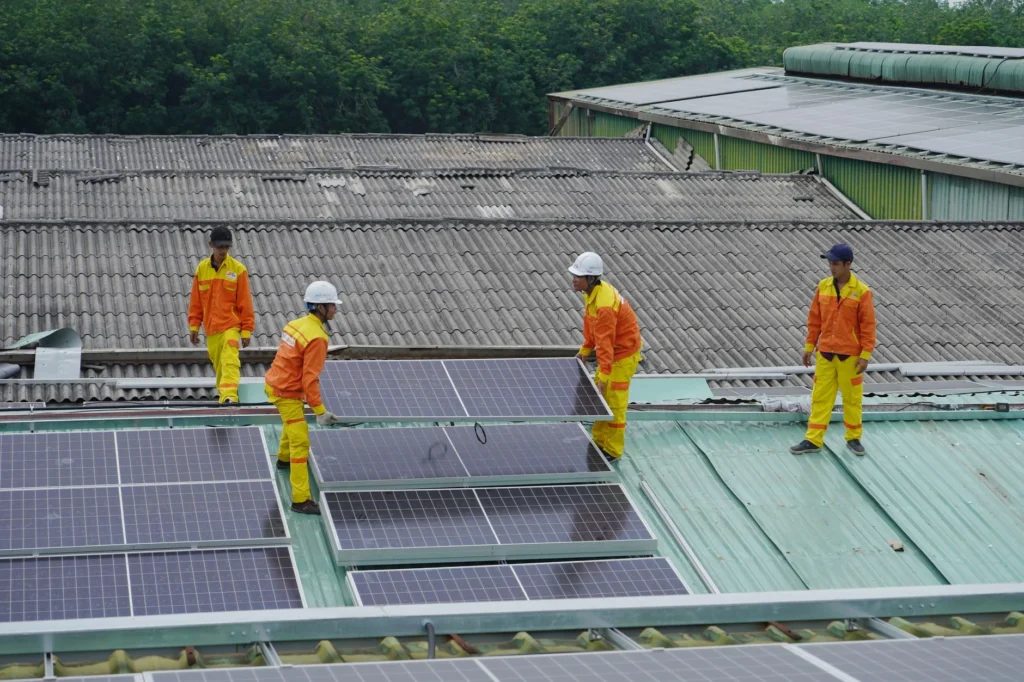
Understanding Your Savings & Incentives
The primary financial benefit of solar panels is the dramatic reduction, or even elimination, of your monthly electricity bill. This isn’t just a minor perk; it’s a fundamental shift in your household budget. Beyond direct utility savings, several incentives can significantly offset the initial investment.
The most impactful is the federal solar tax credit (Investment Tax Credit, or ITC), which currently allows homeowners to claim a percentage of their solar system’s cost back as a credit on their federal taxes. Additionally, many states and local municipalities offer their own rebates, property tax exemptions, or performance-based incentives. A common mistake people make is not thoroughly researching these local programs; they can vary significantly by ZIP code and can greatly reduce your net cost. Don’t forget about Net Metering, which credits you for excess energy your panels send back to the grid.
Factors Influencing Your Total Investment
The final price tag for your solar system is highly personalized. Key factors include the size of your system (measured in kilowatts, kW), which directly correlates with your energy consumption. Higher quality, more efficient panels or premium inverters naturally come at a higher cost but can offer better performance and longevity. Your roof’s condition, angle, and any necessary repairs or upgrades prior to installation can also add to the price. Local labor rates and permitting complexities also play a role, making geographical location a significant determinant of overall cost.
Beyond the Installation: Long-Term Value
Investing in solar power extends beyond mere energy savings. It’s a proven way to increase your home’s resale value, making it more attractive to future buyers seeking lower utility bills and a sustainable lifestyle. You’re also contributing to a cleaner environment by reducing your carbon footprint, and gaining a degree of energy independence, protecting yourself from fluctuating electricity prices. While maintenance is generally minimal, routine checks ensure optimal performance.
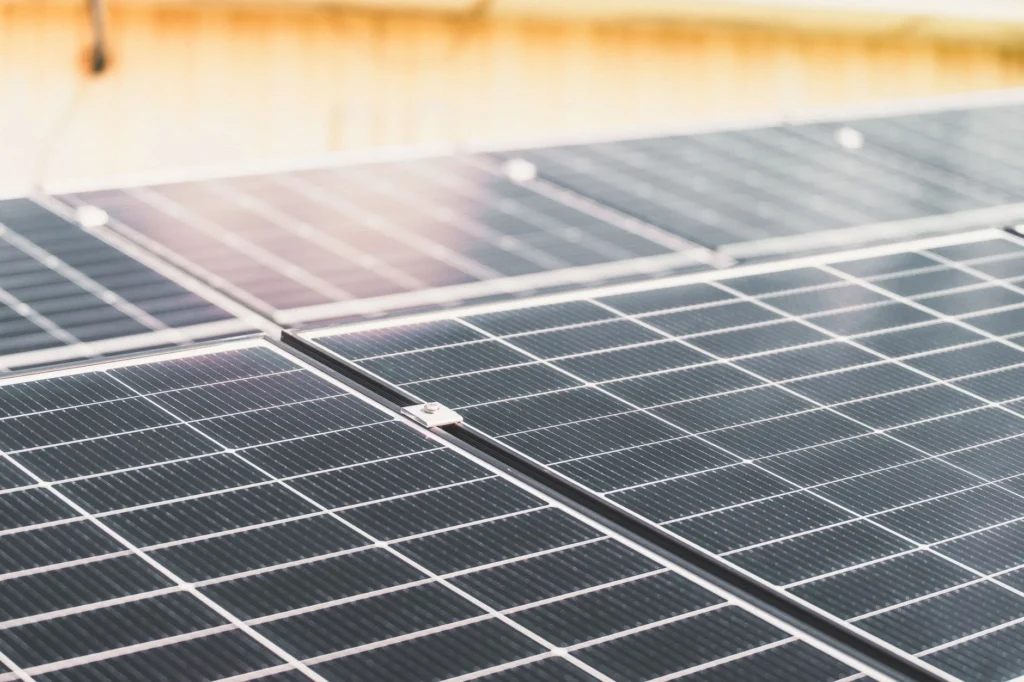
FAQ: Your Solar Questions Answered
How long does solar panel installation take?
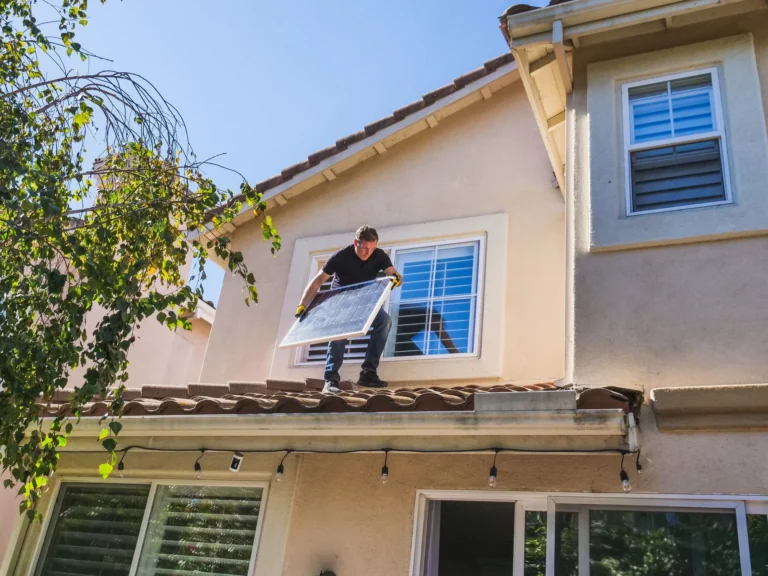
Typically, the physical installation on your roof can take anywhere from 1 to 3 days. However, the entire process, including permitting, inspections, and utility interconnection, usually spans several weeks to a few months from contract signing to system activation.
Do solar panels work on cloudy days?
Yes, solar panels still produce electricity on cloudy days, though at a reduced capacity. They convert light, not just direct sunlight, into energy. Performance will depend on the density of the cloud cover.
What maintenance do solar panels need?
Solar panels are remarkably low-maintenance. Occasional cleaning (1-2 times a year) to remove dirt, dust, or debris can help maintain efficiency. Most systems come with warranties that cover performance and equipment defects.
Images sourced from Pexels.