Fence Installation in 2026: Key Trends & Smart Planning for Your Property
As we navigate 2026, securing your property with a new fence remains a top priority for many homeowners. Whether for privacy, security, or curb appeal, a well-planned fence project adds significant value. Understanding the prevailing trends and cost drivers is essential for making informed decisions and ensuring your investment stands the test of time.
Planning a fence installation in 2026 involves more than just picking a style. Material availability, labor rates, and local regulations all play a role in the final expense. We’ll break down common costs and offer practical advice to help you budget effectively, avoiding common pitfalls that can inflate project costs unexpectedly. Remember, getting multiple bids is always a wise first step.
Price Table
| Item/Service | Estimated Range (USD) | Notes | |
|---|---|---|---|
| 🌳 | Wood Fence (Pine/Spruce) | $20 – $55 per linear foot | Pressure-treated, privacy or picket style. Regional variation. |
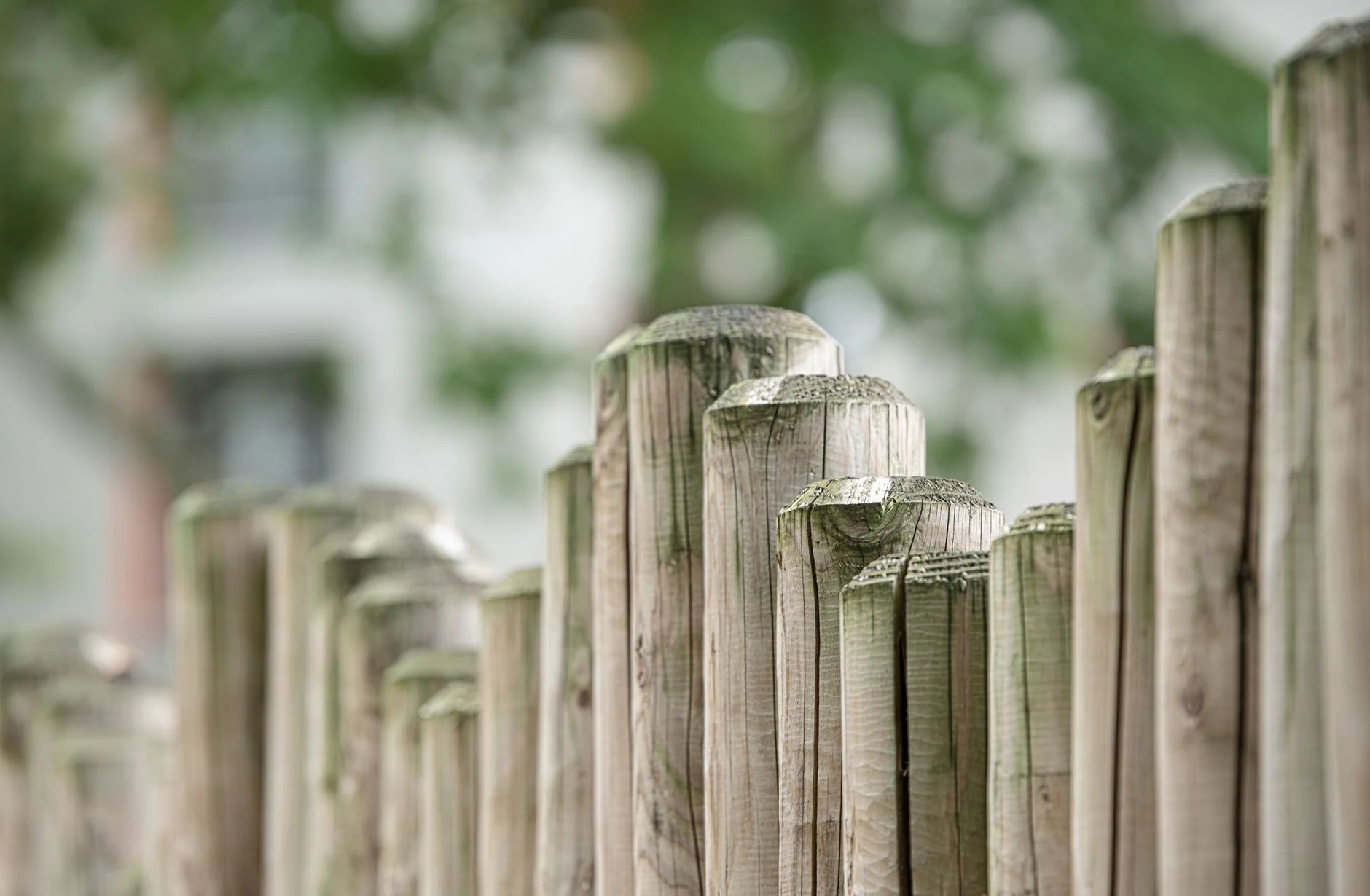
| 🌲 | Cedar Fence | $35 – $80 per linear foot | Durable, naturally resistant to rot and pests. Premium option. |
| 🔗 | Chain-Link Fence | $15 – $40 per linear foot | Galvanized or vinyl-coated options. Cost-effective for security. |
| 🛡️ | Vinyl Fence | $30 – $70 per linear foot | Low maintenance, various styles available (privacy, semi-privacy). |
| 🧱 | Aluminum/Steel Fence | $40 – $90 per linear foot | Decorative, durable, often used for pools or elegant boundaries. |
| 🔨 | Installation Labor | $10 – $25 per linear foot | Varies significantly by region, fence type, and site complexity. |
| ⛏️ | Old Fence Removal | $5 – $15 per linear foot | Disposal fees may apply. Often a separate line item. |
| 🏗️ | Permits & Inspections | $50 – $300+ | Required in many municipalities. Check local building codes. |
| 🛠️ | Gate Installation (per gate) | $200 – $800+ | Includes hardware, depending on size and material. Automated gates cost more. |
| 🏞️ | Site Preparation | $100 – $500+ | Clearing vegetation, leveling ground. Can increase on sloped or overgrown land. |
| TOTAL | $2,000 – $12,000+ per project | Ranges are approximate for a typical residential fence (100-200 linear feet) in 2026. Actual costs vary widely based on region, provider, material quality, and site specifics. |
Material Choices & Durability in 2026
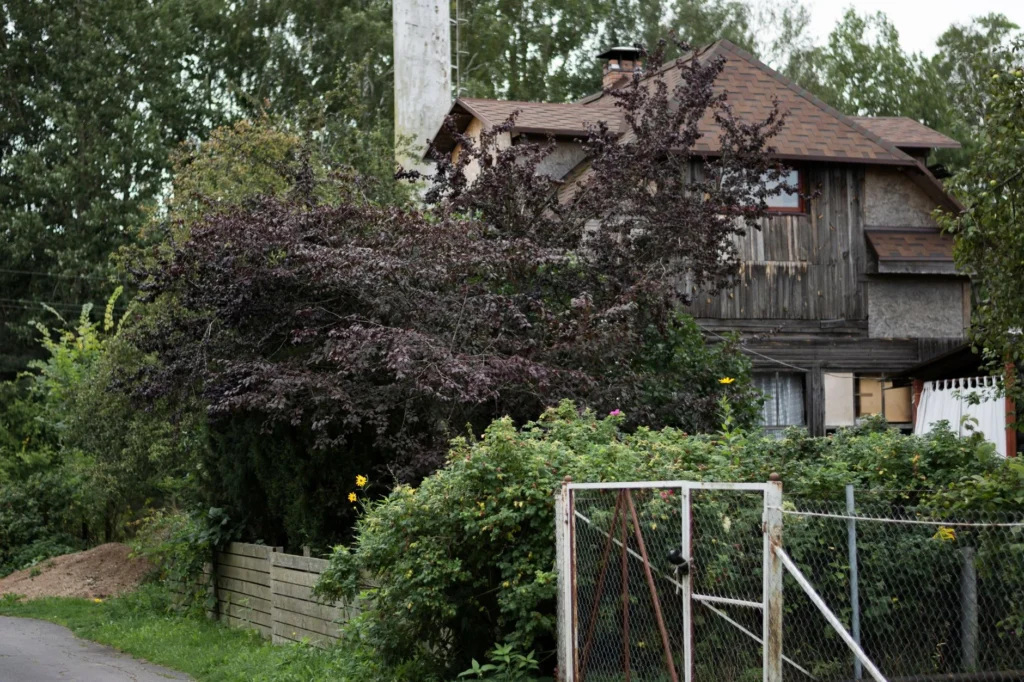
The materials available for fencing in 2026 offer a wide spectrum of aesthetics and longevity. Wood, particularly cedar, remains popular for its classic look and natural resistance, though it does require more maintenance over its lifespan. Vinyl fences continue to gain traction due to their low-maintenance nature and diverse styling options. For properties prioritizing security or a sleek, modern look, aluminum and steel options are increasingly robust and offer excellent durability.
Permitting and Local Regulations
A common oversight for homeowners is neglecting local permitting requirements. Before breaking ground, always consult your local municipality’s building department. Many areas have strict rules regarding fence height, setback from property lines, and even material choices, especially in historic districts. Ignoring these can lead to fines, project delays, or even a demand to remove a newly installed fence. Double-check HOA rules if applicable, too.
Smart Planning for Cost Efficiency
In 2026, efficient planning is your best tool for managing fence installation costs. Consider the total linear feet needed – this is often the biggest cost driver. Opting for a simpler design or a slightly less premium material for less visible sections can save hundreds. Also, discuss any potential site challenges, like rocky soil or steep inclines, with contractors early on. Surprises uncovered during installation can quickly add to your bill. Don’t forget to mark all utility lines before digging begins – an often-forgotten step that prevents costly damage.
FAQ
- How long does a typical fence installation take?
- For an average residential property, installation can take anywhere from 2-7 days, depending on the fence type, linear footage, crew size, and site conditions.
- Do I need to be home during installation?
- While not strictly necessary for the entire duration, it’s advisable to be present for the initial walkthrough to confirm placement and address any last-minute questions, and for the final inspection.
- What maintenance is required for different fence types?
- Wood fences require periodic staining or sealing every 2-5 years. Vinyl, aluminum, and chain-link fences are largely maintenance-free, needing only occasional cleaning with soap and water to remove dirt or mildew.
Images sourced from Pexels.