
InHome Care Services 2026: Navigating Options & Expected Expenses
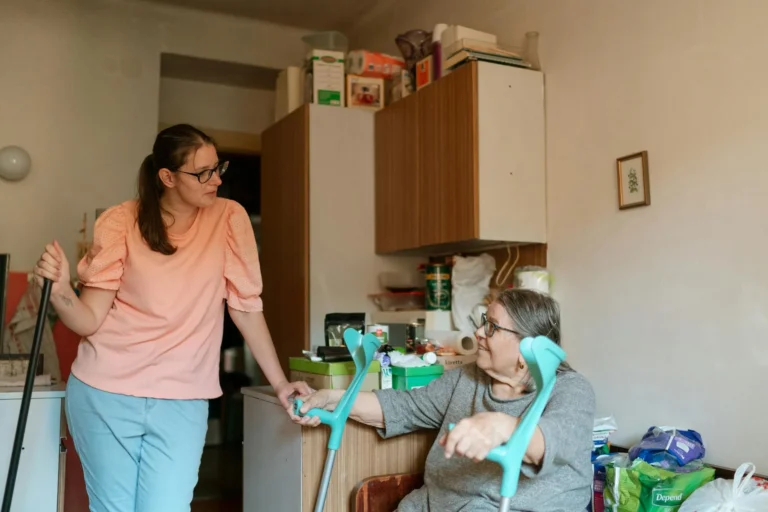
By 2026, the demand for personalized, comfortable in-home care continues its upward trend. Many individuals and families prioritize maintaining independence and familiarity, opting for support within their own homes rather than residential facilities. This choice offers significant advantages, from custom-tailored assistance to maintaining established routines.
Understanding the landscape of in-home care services in 2026 involves more than just identifying needs; it requires a clear grasp of the diverse options available and the financial commitment involved. From daily personal assistance to specialized medical support, services are increasingly sophisticated and integrated, designed to support a wide spectrum of requirements.

Estimated Costs for In-Home Care Services in 2026

The ranges below reflect typical estimated hourly or daily rates. Actual costs will vary significantly based on your geographic region, the specific provider (agency vs. independent), the caregiver’s qualifications, and the complexity and intensity of the care required.
| Item/Service | Estimated Range (USD) | Notes | |
|---|---|---|---|
| 🏠 | Personal Care (Bathing, Dressing, Mobility) | $30 – $55 per hour | Assistance with Activities of Daily Living (ADLs). |
| 🧹 | Homemaker Services (Light Cleaning, Meals, Errands) | $25 – $45 per hour | Focuses on household support and maintaining a clean environment. |
| ⚕️ | Skilled Nursing Care (Medication, Wound Care) | $60 – $120+ per hour | Provided by Registered Nurses or Licensed Practical Nurses for medical needs. |
| 🤝 | Companionship/Social Engagement | $20 – $40 per hour | Non-medical support, includes conversation, activities, appointments. |
| ⏳ | Respite Care (Hourly/Daily) | $200 – $500 per day | Temporary relief for primary caregivers, can be hourly or for longer periods. |
| 🧠 | Specialized Dementia/Alzheimer’s Care | $40 – $70+ per hour | Requires specialized training and approaches, often higher rates. |
| 📱 | Technology Integration (Monitoring, Smart Home Devices) | $50 – $200 per month | Subscription fees or one-time setup for safety, communication, and health monitoring. |
| TOTAL (Monthly, based on common scenarios) | $3,000 – $10,000+ per month | Highly variable, depends on hours per week and service mix. |

What Influences Your In-Home Care Costs?
Several factors will shape the final expense for in-home care. The most significant is your geographic location; urban centers and high cost-of-living areas generally command higher rates than rural regions. The level of care needed is also paramount – basic companionship is less expensive than round-the-clock skilled nursing for complex medical conditions. Additionally, the number of hours per week significantly impacts the total. A common mistake people make is overlooking minimum hour requirements, as many agencies will have a 2-4 hour minimum per visit, even if less time is technically needed.
Funding Your In-Home Care
Exploring funding options early can alleviate stress. Private pay remains a primary method for many families. However, long-term care insurance policies, if acquired years prior, can provide substantial coverage. Veterans benefits, particularly Aid and Attendance, can be a vital resource for eligible service members and their spouses. While Medicare generally covers only short-term, medically necessary home health care, Medicaid programs in many states offer waivers that can help cover non-medical in-home care for those who qualify based on income and assets.
Choosing the right in-home care provider is a critical decision. Begin with a thorough assessment of the care recipient’s needs, involving family members and healthcare professionals. Interview multiple providers to compare services, rates, and philosophies. Always request and check references, and verify licenses and certifications. Carefully review care plans and contracts, ensuring all services, schedules, and cancellation policies are clearly outlined. Don’t underestimate the importance of a good personal fit between the caregiver and the care recipient; compatibility can greatly enhance the quality of care and overall well-being.
Frequently Asked Questions
How many hours of care will I need?
This varies greatly. A professional assessment by a care coordinator or agency is often the best starting point to determine the optimal number of hours and the types of services required.
Can in-home care include medical services?
Yes, skilled nursing care provided by licensed medical professionals is a core component of comprehensive in-home care, covering needs like medication management, wound care, and chronic disease monitoring.
Is technology a significant cost factor?
While technology adds a layer of expense, it often provides valuable benefits like enhanced safety, remote monitoring, and improved communication, potentially reducing the need for constant in-person supervision in some cases, thus offering long-term value.
Images sourced from Pexels.