
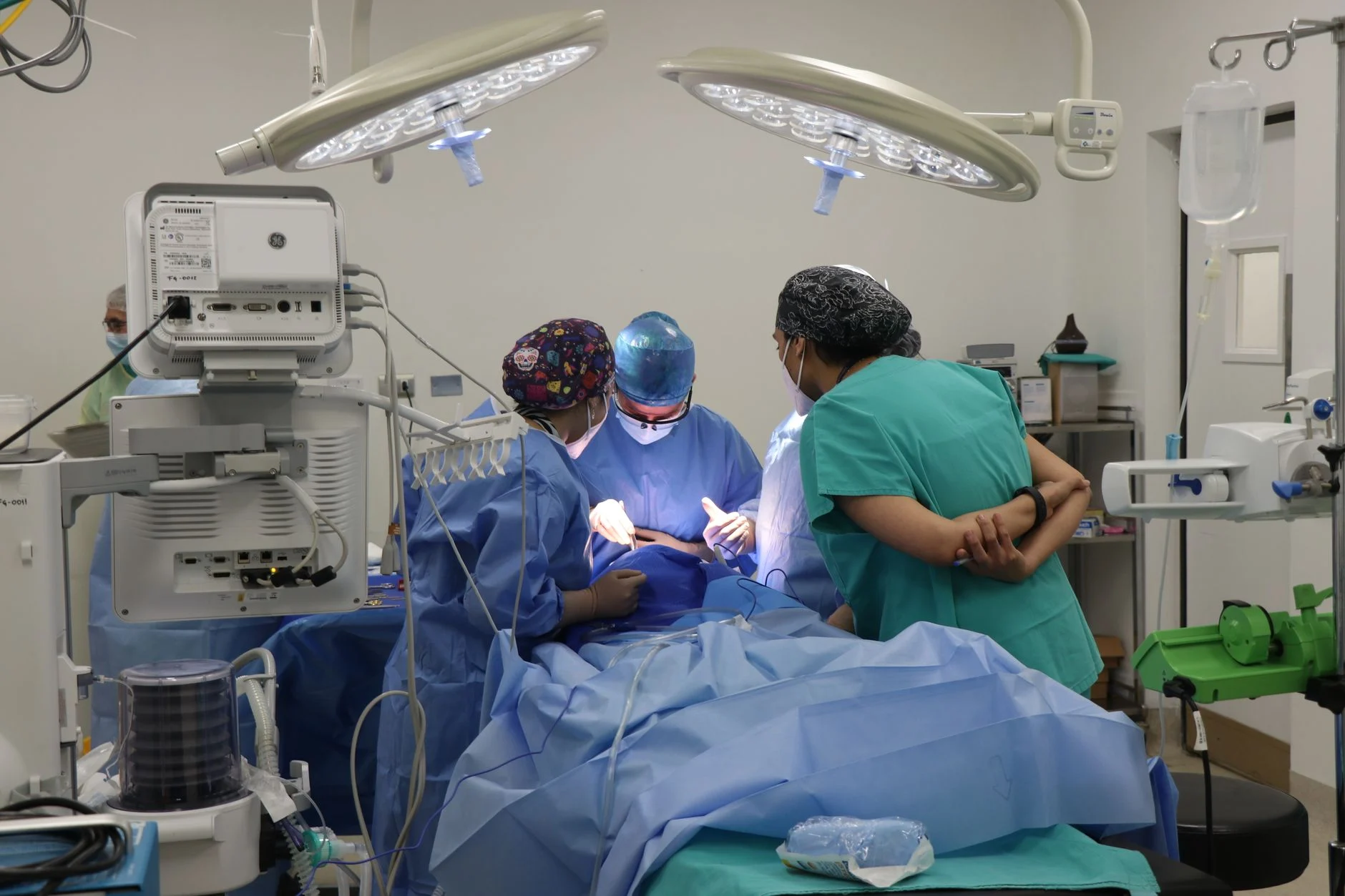
Veterinary Surgery: Real Cost and What to Expect for Your Pet
When your beloved pet needs surgery, it’s a stressful time. Beyond the worry for their health, a major concern for many pet owners is the financial impact. Veterinary procedures, especially surgical ones, can carry a substantial price tag, often coming as a shock if you’re unprepared.
Understanding the potential costs and what goes into a vet surgery bill can help you plan and make informed decisions. This guide breaks down the typical expenses involved, offering a realistic view of what to expect, from pre-op diagnostics to post-operative care, to help you navigate this challenging period.
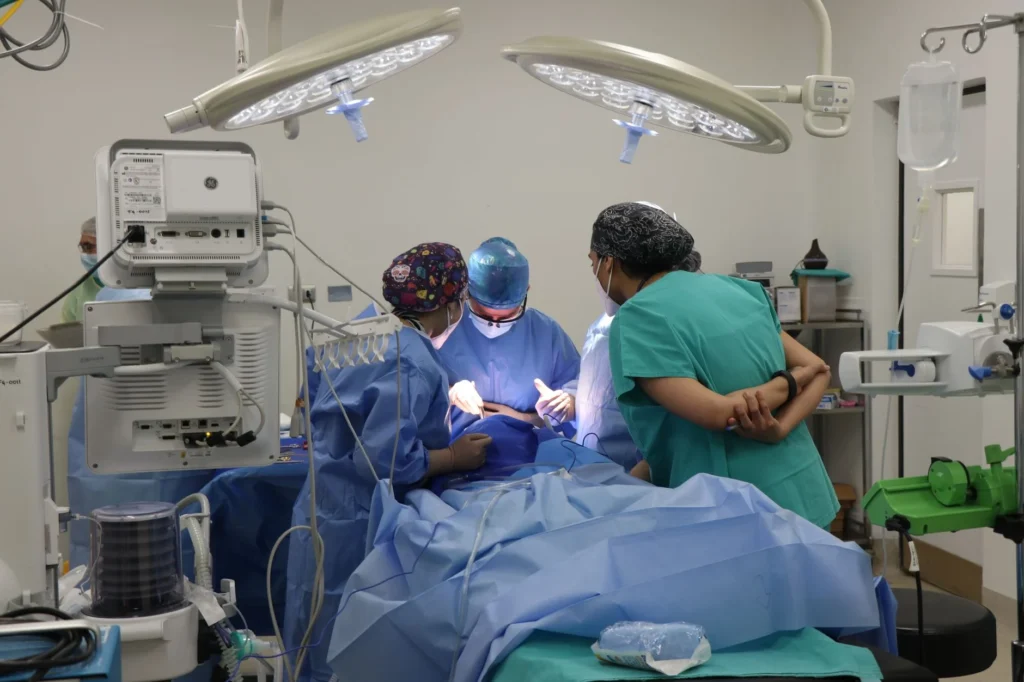
Understanding the Price Table
The cost of veterinary surgery varies significantly based on the type of procedure, your location, the specific clinic, and your pet’s individual needs. The ranges below provide an estimated breakdown for a *typical moderate surgical procedure* (e.g., a complex dental extraction, bladder stone removal, or a straightforward fracture repair), excluding highly specialized or emergency interventions, which can be much higher.
| Item/Service | Estimated Range (USD) | Notes | |
|---|---|---|---|
| 🩺 | Pre-Operative Exam & Consultation | $50 – $150 | Initial assessment, physical exam, discussion of procedure. |
| 🔬 | Pre-Anesthetic Diagnostics | $150 – $500 | Bloodwork (CBC, chemistry panel), urinalysis, sometimes X-rays or ECG to ensure pet is healthy enough for anesthesia. |
| 💊 | Anesthesia & Monitoring | $200 – $800 | Includes anesthetic drugs, IV fluids, and continuous monitoring of vitals by a technician throughout surgery. |
| 🔪 | The Surgical Procedure Itself | $500 – $2,500+ | This is the most variable cost. Range here is for a moderate, non-emergency procedure. Highly complex, specialized, or emergency surgeries can easily exceed this. |
| 🏨 | Hospitalization & Post-Op Monitoring | $100 – $400 | For recovery, pain management, and observation (often for 1-2 days, if needed). |
| 🩹 | Medications (Pain & Antibiotics) | $50 – $200 | Prescriptions for pain relief, anti-inflammatories, and antibiotics to go home with your pet. |
| 👨⚕️ | Post-Operative Recheck & Suture Removal | $0 – $150 | Follow-up visits to check healing; sometimes included, sometimes a separate fee. |
| TOTAL (Estimated Moderate Surgery) | $1,050 – $4,700+ | This range is for a typical moderate procedure. Actual costs will vary widely. |

What Influences the Final Bill?
The Procedure Itself
The biggest factor is the complexity and duration of the surgery. A routine spay is less expensive than a specialized orthopedic repair or an emergency foreign body removal. More intricate procedures require more surgeon time, specialized equipment, and longer anesthesia.
Location & Facility Type
Veterinary costs can differ significantly between urban and rural areas. Specialty veterinary hospitals (e.g., those with board-certified surgeons) generally charge more than general practice clinics, but they also offer advanced expertise and equipment.
Your Pet’s Health & Age
Pets with pre-existing conditions, older pets, or those who are in poorer health may require more extensive pre-operative diagnostics, longer anesthesia monitoring, and more intensive post-operative care, increasing the overall cost.
Emergency vs. Planned Surgery
Emergency surgeries often come with higher price tags due to the immediate staffing needs, after-hours care, and the urgent nature of the diagnostics and treatment required.
Preparing for the Unexpected
A common mistake pet owners make is underestimating the full scope of costs. Always ask your vet for a detailed, itemized estimate that covers *everything* from diagnostics to take-home medications. Be clear about what’s included and what might be an additional charge.
Pet Insurance
If you have pet insurance, ensure you understand what your policy covers for surgical procedures, including deductibles, reimbursement percentages, and any waiting periods. It’s best to have this in place *before* an emergency arises.
Payment Options
Many veterinary clinics offer payment plans or work with third-party financing options like CareCredit. Don’t hesitate to discuss these options with your vet’s office manager. Having an emergency fund specifically for your pet’s health can also provide peace of mind.

Frequently Asked Questions
Can I get a detailed estimate before surgery?
Absolutely. Always request a written, itemized estimate. This should break down all anticipated costs from start to finish.
What’s often not included in initial estimates?
Initial estimates might not fully account for unexpected complications during surgery, extended hospitalization, additional diagnostic tests required on the fly, or specialized post-operative rehabilitation.
Is pet insurance worth it for surgery?
For many, yes. Pet insurance can significantly offset the cost of major surgeries and emergency care. However, review policies carefully for waiting periods (especially for orthopedic conditions), annual limits, and what specific procedures are covered.

Images sourced from Pexels.